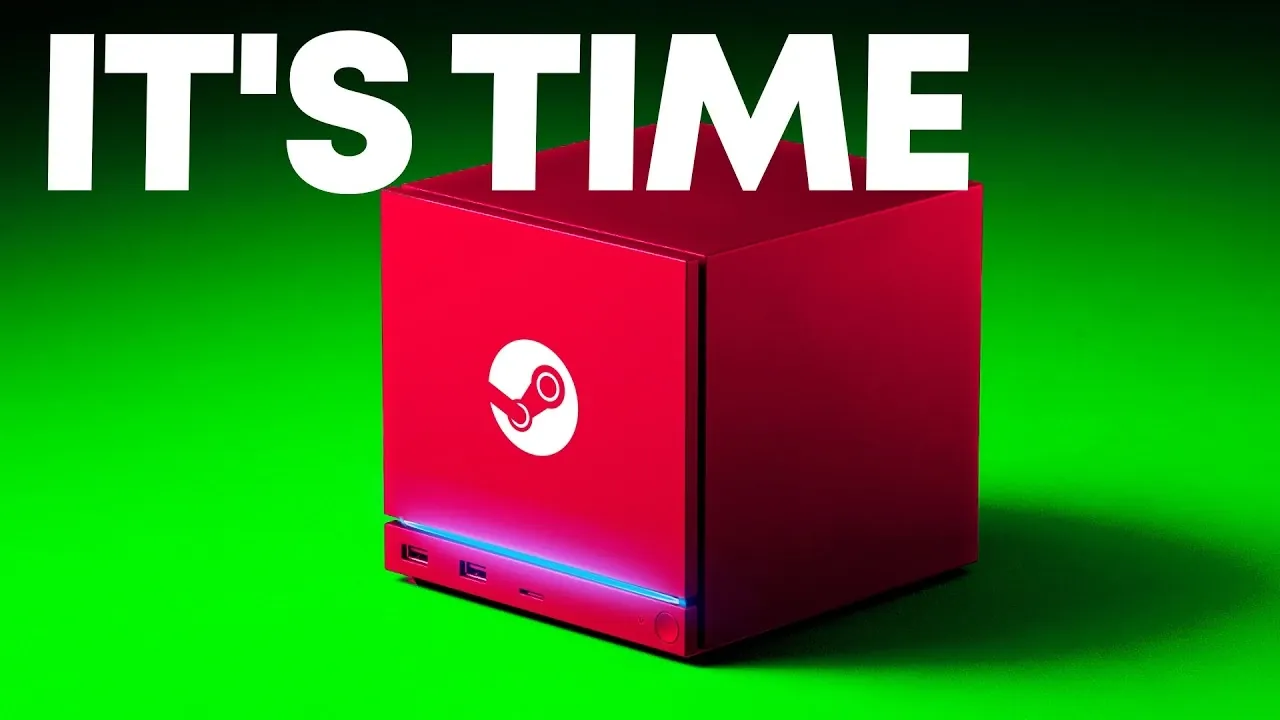
Could Valve be on the verge of redefining gaming hardware yet again? With subtle but telling updates to the Steam store’s backend, speculation is mounting about the long-awaited return of the Steam Machine. Deck Ready breaks down how these changes hint at a major hardware launch, potentially arriving as early as 2026, alongside the Steam Frame and Steam Controller. This isn’t just another console competitor, it’s a bold attempt to bring the power of PC gaming into the living room, all while maintaining the flexibility and accessibility that gamers have come to expect from Valve. But with ongoing supply chain challenges and a competitive market, can Valve deliver on its ambitious vision?
In this explainer, we’ll unpack what these updates mean for the future of gaming and why the Steam Machine could be a fantastic option. From its anticipated $600–$650 price range to the role of Steam OS as the backbone of Valve’s hardware ecosystem, there’s a lot to get excited about. You’ll also discover how Valve’s consumer-first approach stands in stark contrast to competitors like Epic Games, whose strategies often spark controversy. Whether you’re a die-hard PC gamer or just curious about what’s next, this breakdown offers a glimpse into a future where performance meets accessibility in ways we haven’t seen before. Could this be the start of a new era for gaming? Let’s explore the possibilities.
Valve’s Steam Machine : A Step Closer to Reality
TL;DR Key Takeaways :
- Valve is preparing for a significant hardware launch in early 2026, including the Steam Machine, Steam Frame, and Steam Controller.
- The Steam Machine aims to combine PC gaming power with console-like accessibility, priced competitively between $600 and $650.
- SteamOS, a Linux-based operating system, is being optimized to support Valve’s new hardware lineup, making sure performance and user-friendliness.
- Valve’s consumer-focused approach contrasts with Epic Games’ strategies, emphasizing user choice, compatibility, and long-term trust.
- Despite global hardware shortages, Valve remains committed to delivering innovative products that could redefine the gaming landscape.
If you’ve been following Valve’s hardware journey, recent updates to Steam store URLs strongly indicate that the Steam Machine is moving closer to its official debut. This gaming PC, designed to bring the power and flexibility of PC gaming into the comfort of your living room, is expected to launch alongside the Steam Frame and Steam Controller. By bundling these releases, Valve seems to be employing a strategic approach to maximize its impact in the competitive gaming market.
However, the road to launch is not without obstacles. The global supply chain continues to face shortages of critical components such as GPUs, SSDs, and RAM, essential elements for any high-performance gaming device. Despite these challenges, Valve is reportedly targeting a price range of $600 to $650 for the Steam Machine. This pricing strategy positions it as a compelling alternative to traditional gaming consoles, offering a balance of performance and affordability that could appeal to a wide audience.
SteamOS: The Backbone of Valve’s Hardware Ecosystem
Valve’s confidence in the Steam Machine is bolstered by the ongoing development of SteamOS, its Linux-based operating system. Regular updates to Steam OS suggest that it is being carefully optimized to support the new hardware lineup. If you’ve used the Steam Deck, you’ve already experienced how Valve uses Steam OS to deliver a seamless and efficient gaming experience. The lessons learned from the Steam Deck’s success are likely being applied to the Steam Machine, making sure it combines robust performance with a user-friendly design.
SteamOS is more than just an operating system; it’s a cornerstone of Valve’s hardware ecosystem. By focusing on compatibility, performance, and ease of use, Valve is creating a platform that could rival traditional gaming consoles while offering the flexibility of a PC. This approach not only enhances the appeal of the Steam Machine but also reinforces Valve’s commitment to delivering value to its users.
Steam Machine Hints Appear in Store Backend & SteamOS Updates

Uncover more insights about Valve in previous articles we have written.
- Valve Steam Machine Returns in 2026, Specs, Price Outlook
- Steam Deck to Steam Frame, Valve’s ARM Path Explained
- Valve’s Impact on PC Gaming, from Half-Life to Steam Deck
- Valve Steam Deck games console specifications
- Steam Machine HDMI 2.1 Limits, Valve and AMD Fixes Explained
- Steam Machine Price : Why Valve Set the Tag at $1,000 in 2026
- Valve Steam Box Prototypes To Be Tested On Steam Users In 3-4
- Valve Steam Machine Specs, Price, and RDNA3 FSR4 Analysis
- Valve Steam Controller Prototypes Unveiled
- Valve Steam Machines And Steam OS Shipping To Beta Testers On
Epic Games: A Contrasting Approach
While Valve focuses on hardware innovation and user experience, its competitor Epic Games has taken a different path, often drawing criticism for its business strategies. Practices like exclusivity deals and free game giveaways have garnered mixed reactions from the gaming community. For example, the game Blood West experienced a 200% sales increase on Steam, even after being offered for free on the Epic Games Store. This trend highlights a preference among gamers for Steam’s ecosystem, which is valued for its robust features and user-friendly interface.
Epic’s decision to block Fortnite on the Steam Deck and Linux platforms has also sparked controversy. By restricting access to one of the most popular games, Epic risks alienating gamers who prioritize platform flexibility and compatibility. In contrast, Valve’s approach emphasizes user choice and accessibility, further solidifying its reputation as a consumer-friendly company. This stark difference in strategies underscores why many gamers continue to favor Valve over its competitors.
Why Gamers Prefer Valve
Valve’s enduring success can be attributed to its unwavering commitment to delivering a consistent and high-quality user experience. If you’re a gamer, you’ve likely noticed how Steam integrates features like cloud saves, community forums, and regular updates seamlessly into its platform. These features not only enhance usability but also foster a sense of community, making Steam more than just a storefront, it’s a hub for gamers worldwide.
In comparison, Epic Games’ strategies often feel less focused on long-term consumer satisfaction. While free games and exclusivity deals may generate short-term buzz, they do little to build lasting trust among gamers. Valve’s emphasis on reliability, compatibility, and user-centric design has earned it a loyal customer base, making sure that Steam remains the dominant platform in the gaming industry.
What’s Next for Valve?
As anticipation builds for the official announcement of the Steam Machine, Valve appears poised to achieve another milestone in gaming hardware. If delays arise due to ongoing hardware shortages, releasing the Steam Controller independently could help maintain momentum and keep the gaming community engaged. For now, all eyes are on Valve as it prepares to unveil its next generation of hardware, potentially redefining the gaming experience for years to come.
- Valve’s backend updates strongly suggest a major hardware launch in early 2026.
- The Steam Machine is expected to be priced between $600 and $650, making it a competitive option for gamers.
- SteamOS updates highlight Valve’s focus on performance, compatibility, and user experience.
- Epic Games’ contrasting strategies emphasize Valve’s consumer-friendly approach and commitment to quality.
Valve’s ability to innovate while addressing the needs and preferences of its users positions it as a leader in the gaming industry. Whether you’re a casual gamer or a tech enthusiast, the next few years promise to bring exciting developments from Valve that could reshape the way we think about gaming hardware and platforms.
Media Credit: Deck Ready
Disclosure: Some of our articles include affiliate links. If you buy something through one of these links, Geeky Gadgets may earn an affiliate commission. Learn about our Disclosure Policy.
