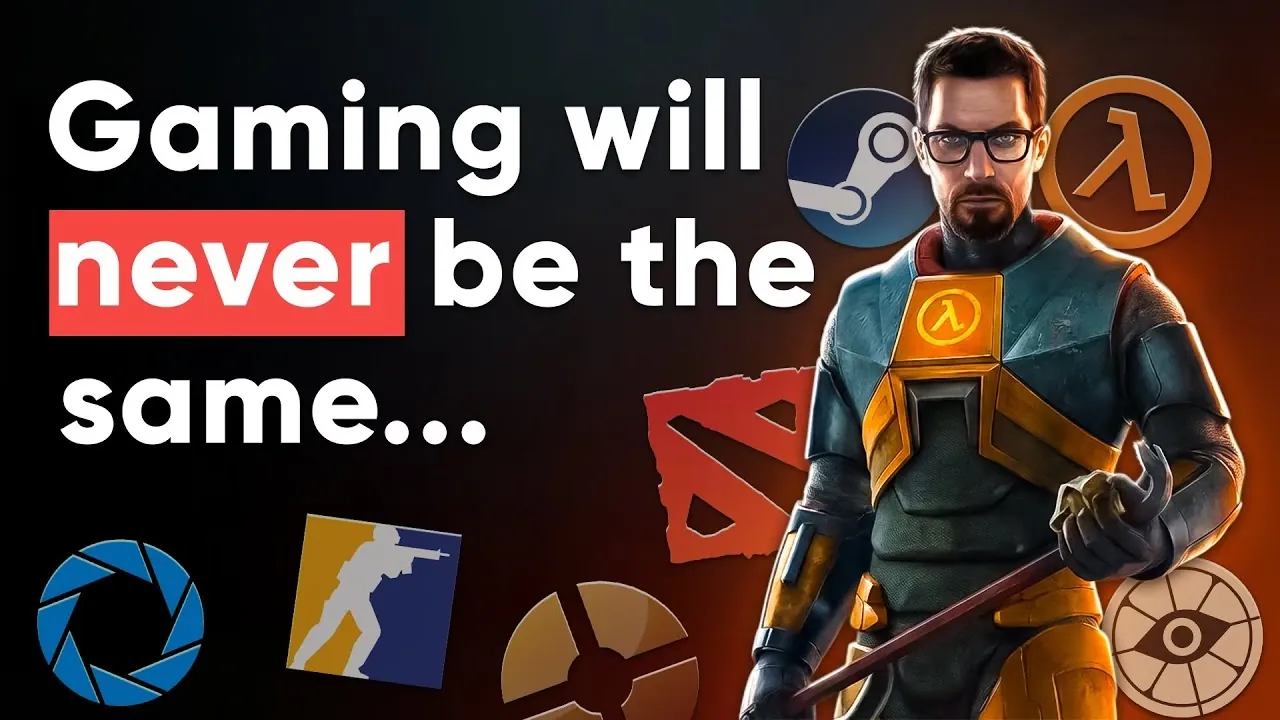
What if the most influential company in gaming wasn’t the loudest or the flashiest, but the one quietly rewriting the rules from behind the scenes? In this walkthrough, Couch Co-Op shows how Valve has been silently reshaping the gaming industry for decades, not just with its iconic titles like Half-Life and Portal, but through innovations that have redefined how we play, create, and connect. From pioneering digital distribution with Steam to transforming hardware with the Steam Deck and Valve Index, Valve’s impact is everywhere, even if they rarely take center stage. Their unique approach to creativity and their refusal to follow traditional corporate norms have made them a fascinating outlier in an industry often driven by deadlines and profit margins.
This analysis dives into the bold moves and unconventional strategies that have cemented Valve’s place as a leader in gaming innovation. You’ll uncover how their flat organizational structure fuels creativity, why their consumer-first philosophy has built unparalleled trust, and how their support for modding and open source development has empowered entire communities. But what’s most intriguing is how Valve’s quiet, deliberate pace, often criticized as “Valve Time”—has allowed them to focus on quality and long-term impact over quick wins. Their story isn’t just about games; it’s about reshaping the very foundation of the industry. Could their approach hold the blueprint for the future of gaming?
Valve’s Gaming Industry Impact
TL;DR Key Takeaways :
- Valve transformed gaming with iconic titles like Half-Life and Portal, blending immersive storytelling and innovative gameplay mechanics, setting new industry standards.
- The launch of Steam in 2003 transformed game distribution, providing a global platform for developers and gamers, and remains the leading PC gaming ecosystem.
- Valve’s hardware innovations, such as the Valve Index VR headset and Steam Deck portable gaming device, pushed technological boundaries and enhanced gaming experiences.
- Its flat organizational structure fosters creativity and innovation, allowing employees to self-manage and focus on passion-driven projects, though it sometimes leads to project delays.
- Valve enables communities through modding, open source tools like Steamworks SDK, and consumer-friendly practices, building trust and fostering collaboration within the gaming industry.
How Valve Transformed Gaming
Founded in 1996 by Gabe Newell and Mike Harrington, Valve quickly established itself as a creative powerhouse with the release of its debut game, Half-Life (1998). This title combined immersive storytelling with innovative gameplay mechanics, setting a new standard for first-person shooters. Its success not only cemented Valve’s reputation but also demonstrated the potential of video games as a medium for narrative-driven experiences.
The release of Half-Life 2 (2004) elevated Valve’s status further. Powered by the Source engine, the game introduced advanced physics simulations and a deeper, more engaging narrative. The Source engine itself became a cornerstone for game development, supporting a thriving modding community. Valve’s ability to deliver fresh and intellectually stimulating gameplay was further exemplified by titles like Portal (2007) and Portal 2 (2011), which pushed the boundaries of puzzle-based storytelling and gameplay innovation.
Valve’s games have consistently demonstrated a commitment to quality and creativity, influencing both players and developers. By blending technical excellence with engaging narratives, the company has redefined what games can achieve as an art form and entertainment medium.
Technological Innovations That Changed the Game
Valve’s impact on the gaming industry extends far beyond its software. In 2003, the company launched Steam, a digital distribution platform that transformed how players access and purchase games. Steam introduced features like cloud saves, community forums, and modding support, creating a comprehensive ecosystem for gamers. It also empowered independent developers by providing a global platform to reach audiences without relying on traditional publishers. Today, Steam remains the leading platform for PC gaming, boasting a vast library of titles and a loyal user base.
Valve’s foray into hardware has further solidified its reputation for innovation. The Valve Index, a high-end virtual reality headset, set new standards for VR gaming with its precision tracking, high-resolution displays, and immersive design. Similarly, the Steam Deck, a portable gaming device, brought PC gaming into a handheld format, allowing players to access their libraries on the go. These hardware ventures demonstrate Valve’s commitment to pushing technological boundaries and enhancing the gaming experience.
Valve Silently Keeps Changing Gaming Forever

Dive deeper into Valve with other articles and guides we have written below.
- Valve Steam Machine Returns in 2026, Specs, Price Outlook
- Steam Deck to Steam Frame, Valve’s ARM Path Explained
- Valve Steam Deck games console specifications
- Valve’s Steam Deck virtual conference starts at 10AM PT
- Steam Machine Price : Why Valve Set the Tag at $1,000 in 2026
- Valve Steam Box Prototypes To Be Tested On Steam Users In 3-4
- Valve Steam Machine Specs, Price, and RDNA3 FSR4 Analysis
- Valve Steam Machines And Steam OS Shipping To Beta Testers On
- Steam Machine HDMI 2.1 Limits, Valve and AMD Fixes Explained
- Valve Announces New Gaming Hardware: What to Expect
Valve’s Flat Organizational Structure: A Fantastic option for Creativity
Valve’s internal structure is as unconventional as its approach to gaming. The company operates without traditional hierarchies, embracing a flat organizational model that encourages employees to self-manage and choose projects based on their interests. This autonomy fosters a culture of innovation, allowing teams to focus on passion-driven projects rather than rigid corporate goals.
While this structure has led to new innovations, it has also contributed to what is colloquially known as “Valve Time”—a tendency for projects to face delays due to the absence of strict deadlines. Despite this, the model has proven effective in delivering high-quality products. By prioritizing creativity and employee satisfaction, Valve has maintained its reputation as a leader in both innovation and workplace culture.
Empowering Communities Through Modding and Open source Tools
Valve has consistently prioritized community engagement, empowering players to become creators. Some of the most iconic games in Valve’s portfolio, such as Counter-Strike and Garry’s Mod, began as mods developed using Valve’s engines. These community-driven projects highlight the company’s commitment to fostering creativity and collaboration.
To further support developers, Valve provides tools like the Steamworks SDK, an open source platform that integrates Steam features into games. This ecosystem has enabled countless developers to create and distribute their work, making sure that innovation thrives within the gaming community. By embracing openness and collaboration, Valve has built a vibrant network of creators and players who continue to shape the industry.
Consumer-Friendly Practices That Build Trust
Valve’s business philosophy is rooted in consumer-friendly practices that prioritize accessibility and fairness. Unlike many competitors, the company has avoided restrictive digital rights management (DRM) and exploitative monetization strategies. Instead, Valve focuses on delivering value through fair pricing, frequent sales, and robust support for older games, making sure that players receive a positive and inclusive experience.
This approach aligns with Valve’s broader ethos of transparency and openness, contrasting with the closed ecosystems of companies like Apple and Microsoft. By building trust with its audience, Valve has set a standard for ethical business practices in the gaming industry, demonstrating that profitability and consumer satisfaction can coexist.
Valve’s Legacy and Future
Although Valve has shifted away from frequent game releases, its influence on the gaming industry remains profound. Projects like Half-Life: Alyx (2020) showcase the company’s ability to deliver new experiences when it chooses to re-enter game development. Meanwhile, its platforms and hardware continue to shape the gaming landscape, offering players and developers new opportunities to explore.
Looking ahead, rumors of upcoming projects such as Deadlock suggest that Valve’s innovative spirit is far from diminishing. Whether through new games, hardware advancements, or community-driven initiatives, Valve is poised to remain a driving force in the industry. Its legacy of creativity, innovation, and consumer-focused practices ensures that its impact will endure for years to come.
Media Credit: Couch Co-Op
Disclosure: Some of our articles include affiliate links. If you buy something through one of these links, Geeky Gadgets may earn an affiliate commission. Learn about our Disclosure Policy.
