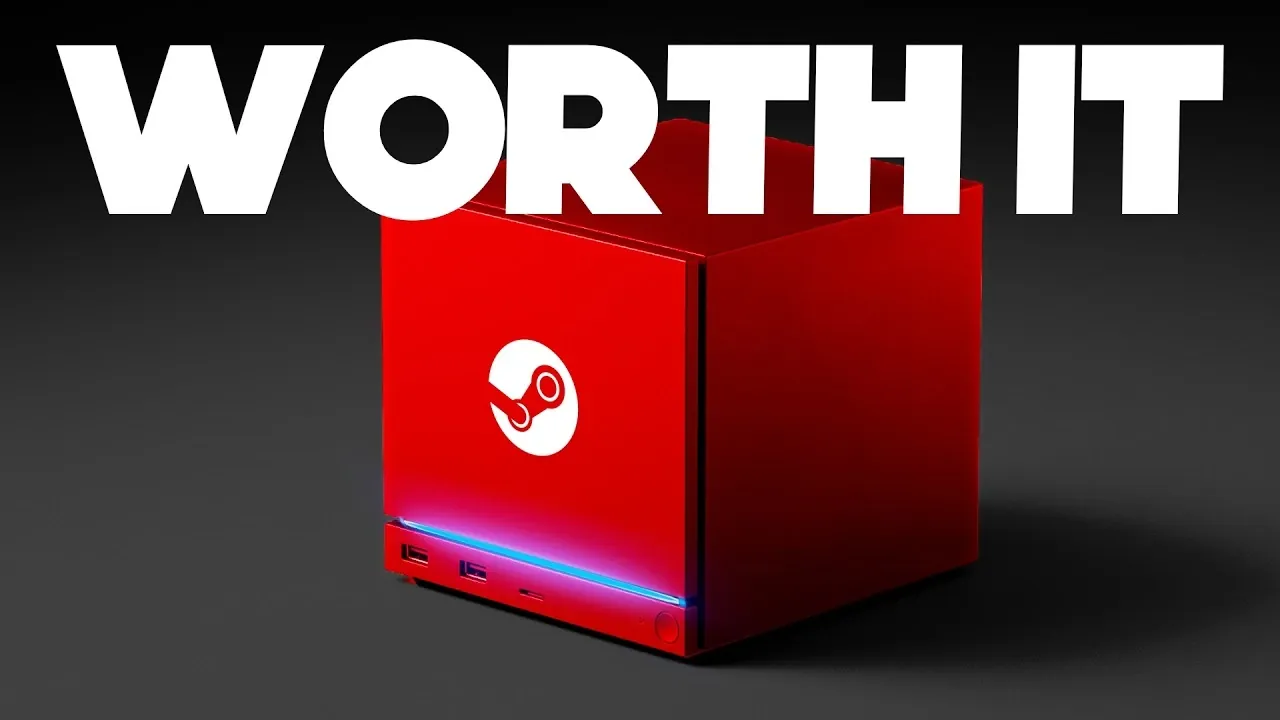
What happens when a highly anticipated gaming device becomes the center of both excitement and confusion? In this breakdown, Deck Ready walks through how the recent Steam Machine price leak has sparked heated debates and raised critical questions about the future of gaming hardware. Placeholder prices from Czech retailers have alarmed fans, turning the situation into a fascinating case study in managing expectations. Yet, as Deck Ready emphasizes, this drama could be a hidden opportunity for Valve to refine its strategy and set the stage for a potentially new release. The stakes are high, and the gaming world is watching closely.
This analysis explores the ripple effects of the leak, unpacking how pricing, fan expectations, and performance optimization are shaping the Steam Machine’s evolving narrative. Readers will discover why the leaked numbers may not spell disaster and how Valve’s strategic silence could reflect a calculated move. From the competitive pressures of the gaming market to the growing demand for seamless performance on devices like the Steam Deck, there’s much to consider. The Steam Machine’s journey is far from over, and its ultimate outcome will hinge on how Valve navigates these challenges.
Steam Machine Pricing Leak
TL;DR Key Takeaways :
- The leaked placeholder prices for Valve’s Steam Machine caused initial concern but were clarified as unofficial, with analysts predicting a competitive starting price of around $650 for a 512GB model.
- Valve is taking a calculated approach by remaining silent on pricing rumors, with an anticipated early 2026 release aligning with its history of well-planned product launches.
- Game optimization for devices like the Steam Deck has proven critical, with titles such as Baldur’s Gate 3 and Witchfire showcasing the benefits of prioritizing compatibility and performance.
- The gaming community’s high expectations and comparisons to competitors like PlayStation and Xbox highlight the pressure on Valve to deliver a standout product.
- Early access game optimization remains a challenge, but addressing it is essential for improving user experiences and meeting the growing demands of players across platforms.
Speculative Pricing and Industry Reactions
A leak originating from Czech retailers revealed placeholder prices for the Steam Machine, which were significantly higher than many had anticipated. This sparked confusion and concern within the gaming community, as players questioned whether the device would remain affordable and accessible. However, retailers later clarified that these prices were unofficial placeholders, which helped to ease some of the initial alarm.
Industry analysts have since speculated that realistic pricing for the Steam Machine could start at approximately $650 for a 512GB model. This would position the device competitively within the gaming hardware market, balancing affordability with high-performance capabilities. Valve’s ability to monitor and adapt to fluctuating costs of critical components, such as RAM and storage, will likely play a pivotal role in making sure the device meets consumer expectations. By focusing on delivering a product that combines value with quality, Valve aims to secure its position in the competitive gaming landscape.
Valve’s Calculated Approach
Valve has chosen to remain silent on the pricing rumors, a deliberate strategy to avoid fueling further speculation. Despite this, industry insiders suggest that the Steam Machine is on track for an early 2026 release, with production already underway. This timeline aligns with Valve’s history of carefully planned launches, making sure that its products are polished and ready for the market.
The company’s strategy likely involves closely monitoring the costs of components to maintain competitive pricing. This approach reflects Valve’s broader commitment to offering hardware that appeals to both casual and dedicated gamers. By focusing on delivering value-driven products, Valve continues to strengthen its reputation as a leader in the gaming industry.
Steam Machine Pricing Drama

Here are more guides from our previous articles and guides related to Steam Machine that you may find helpful.
- Worlds Smallest DIY Steam Machine : Ryzen 7840U for Steady
- Valve Steam Machine Returns in 2026, Specs, Price Outlook
- Steam Machine 4K at 60fps, Steam OS Features and Performance
- Roccat Sova Steam Machine Keyboard Unveiled At E3
- CyberPowerPC Unveils New Steam Machine Systems
- Custom Small Form Factor PC as a Steam Machine Alternative
- Valve Steam Machine Specs, Price, and RDNA3 FSR4 Analysis
- DIY Steam Machine Build : 1440p FSR Performance on SteamOS
- New Valve Steam Controller, Machine & Frame Arriving Early 2026
- Asus ROG GR8 Steam Machine Unveiled At Computex 2014
Game Optimization: A Key to Success
The optimization of games for the Steam Deck has emerged as a critical factor in the success of Valve’s hardware. Titles such as Baldur’s Gate 3 and Witchfire have demonstrated the commercial and technical benefits of prioritizing compatibility with Valve’s devices. These games not only performed exceptionally well on the Steam Deck but also experienced improved performance across other platforms, showcasing the broader advantages of optimization.
For developers, prioritizing optimization enhances the overall gaming experience, leading to higher player engagement and increased sales. This trend underscores the importance of collaboration between hardware manufacturers like Valve and game developers to ensure seamless performance across devices. As the gaming industry continues to evolve, such partnerships will be essential in delivering high-quality experiences to players.
Community Expectations and Competitive Dynamics
The leaked pricing has also highlighted the strong anticipation for the Steam Machine within the gaming community. Online discussions have frequently compared Valve’s upcoming hardware to competitors such as PlayStation and Xbox, underscoring the high expectations gamers have for the device. This competitive environment places significant pressure on Valve to deliver a product that not only meets but exceeds consumer demands.
Community engagement has become a cornerstone of modern gaming. Gamers are increasingly vocal about their expectations for both hardware and software, and companies like Valve must use this enthusiasm to drive the success of their products. By actively listening to and addressing community feedback, Valve can strengthen its relationship with players and ensure the Steam Machine resonates with its target audience.
Challenges in Early Access Game Optimization
One of the persistent challenges in the gaming industry is the optimization of early access games. These titles often lack the polish required to perform well on devices like the Steam Deck, leading to frustration among players. Developers face mounting pressure to prioritize optimization and deliver high-quality releases that enhance user experiences and drive sales.
The popularity of the Steam Deck has amplified these expectations, as players increasingly demand seamless performance across platforms. Addressing these challenges will be essential for both developers and hardware manufacturers to create a more enjoyable and consistent gaming experience. By focusing on optimization, the industry can better meet the needs of its growing and diverse player base.
Anticipation for the Steam Machine’s Impact
The Steam Machine price leak has inadvertently highlighted the excitement surrounding Valve’s upcoming hardware. While the speculative pricing initially caused concern, it also underscored the strong interest in the device and the competitive dynamics of the gaming market. With a likely early 2026 release and a focus on competitive pricing, the Steam Machine has the potential to significantly influence the gaming hardware landscape.
Equally important is the role of game optimization in making sure the success of devices like the Steam Deck. Developers who prioritize compatibility and performance are reaping tangible rewards, as seen in the success of titles like Baldur’s Gate 3 and Witchfire. As the gaming industry continues to evolve, collaboration between hardware manufacturers and developers will remain crucial in delivering exceptional experiences to players worldwide.
Media Credit: Deck Ready
Disclosure: Some of our articles include affiliate links. If you buy something through one of these links, Geeky Gadgets may earn an affiliate commission. Learn about our Disclosure Policy.
