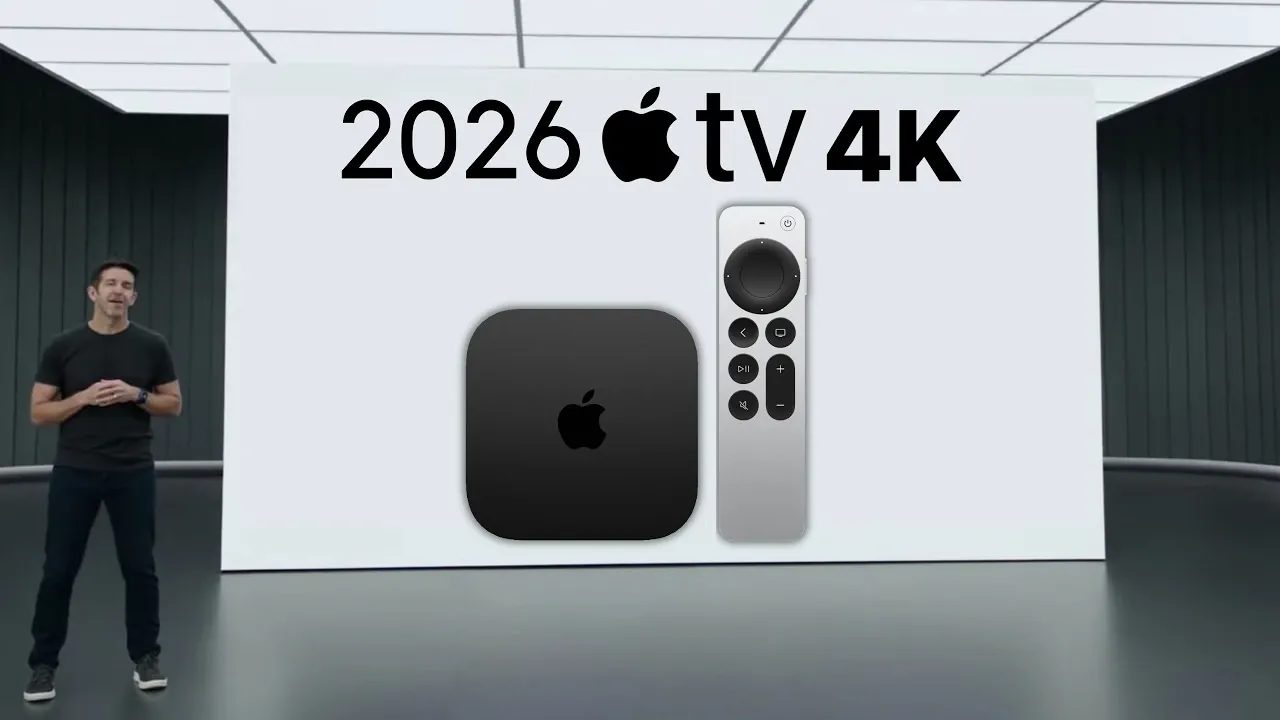
Apple has reportedly finalized the development of its next-generation Apple TV 4K, yet the company has opted to delay its release. This decision appears to be closely tied to the rollout of an AI-enhanced Siri update, expected to debut alongside iOS 17. While the hardware is ready for market, Apple’s strategy to align the device with its broader smart home ecosystem has left many users questioning the delay. Is the promise of a smarter Siri enough to justify holding back the hardware? The video below from SaranByte gives us more details about the 2026 Apple TV 4K.
Why is Apple Holding Back?
The delay is not due to technical or manufacturing setbacks. Instead, it is a deliberate move by Apple to synchronize the Apple TV’s launch with updates to Siri and other smart home products. This calculated strategy positions the Apple TV as a central hub within Apple’s connected home ecosystem. By doing so, Apple aims to deliver a more cohesive and integrated experience for users.
However, this approach has sparked frustration among some users. Many argue that the hardware could be released immediately, with software updates rolled out later, as Apple has done with other products in the past. The decision to delay reflects Apple’s focus on long-term ecosystem goals, but it also raises questions about whether this strategy prioritizes the company’s vision over the immediate needs of its customers.
What’s New in the Hardware?
The 2026 Apple TV 4K introduces several significant hardware upgrades, designed to enhance performance and future-proof the device. Key improvements include:
- A17 Pro Chip: This advanced processor represents a major leap from the current A15 Bionic chip, allowing innovative artificial intelligence features and making sure long-term performance for demanding tasks.
- N1 Networking Chipset: With support for Wi-Fi 7, the device offers faster, more reliable wireless connectivity, making it ideal for high-performance streaming and seamless smart home integration.
These upgrades position the Apple TV 4K as a powerful and versatile device, capable of handling the increasing demands of modern streaming and smart home environments. By incorporating these advancements, Apple ensures that the device remains relevant and competitive in a rapidly evolving market.
Apple TV’s Role in the Smart Home Ecosystem
Apple’s vision for the Apple TV extends far beyond its role as a streaming device. The new model is designed to serve as a central hub for Apple’s connected home ecosystem, offering seamless integration with a wide range of smart home products. Key components of this ecosystem include:
- HomeKit-enabled accessories
- HomePod Mini and other Apple audio devices
- Devices adhering to Matter and Thread standards
This interoperability allows users to control a variety of smart home products from different manufacturers through a unified interface. By positioning the Apple TV as a central component of the smart home, Apple aims to strengthen its foothold in the competitive smart home market. This strategy not only enhances the user experience but also reinforces Apple’s commitment to creating a cohesive and user-friendly ecosystem.
The Siri Factor: Why It Matters
The delay in the Apple TV’s release underscores Apple’s reliance on Siri’s development to enhance its smart home strategy. The updated Siri is expected to feature improved natural language processing and expanded functionality, making it a more capable assistant for managing smart home devices. These enhancements are intended to elevate Siri’s role within the Apple ecosystem, transforming it into a more intuitive and versatile tool for users.
However, this focus on Siri has drawn criticism from some users. Siri’s current functionality on the Apple TV is limited and many question whether the anticipated improvements justify delaying the hardware. Critics argue that Apple’s decision prioritizes its ecosystem goals over the immediate needs of its customers, leaving users to wonder if the wait will ultimately be worth it.
Design and Potential Feature Updates
Externally, the 2026 Apple TV 4K is expected to retain its familiar, minimalist design, reflecting Apple’s focus on functionality over aesthetics. However, updates to the Siri remote could introduce exciting new features, such as:
- Built-in speakers: This addition would enhance usability, allowing the remote to provide audio feedback or function as a standalone device for certain tasks.
- Ultra-wideband technology: This feature would enable precise location tracking, making it easier to locate the remote within your home.
These potential updates would further integrate the Siri remote into Apple’s ecosystem, enhancing its overall utility and appeal. By focusing on practical improvements, Apple aims to deliver a more seamless and user-friendly experience for its customers.
Pricing and Market Strategy
Apple is reportedly considering a lower price point for the new Apple TV, a move that could make the device more accessible to a broader audience. The current Apple TV 4K, while still a capable device, is increasingly viewed as outdated in a rapidly evolving tech landscape. By offering a more affordable option, Apple hopes to attract new customers and strengthen its position in both the streaming and smart home markets.
This pricing strategy reflects Apple’s recognition of the growing competition in these markets. By making the Apple TV more accessible, the company aims to expand its user base and solidify its presence in the connected home space.
Customer Frustration: A Growing Concern
The decision to delay the release of the 2026 Apple TV 4K has not gone unnoticed by Apple’s customer base. Many users have expressed frustration, arguing that the hardware should be released immediately, with Siri updates arriving later. This sentiment highlights a growing impatience among users who feel that their needs are being sidelined in favor of Apple’s long-term strategic goals.
While Apple’s strategy aims to deliver a more cohesive and integrated ecosystem, it also risks alienating users who are eager for immediate access to new technology. Balancing these competing priorities will be crucial for Apple as it moves forward with its plans for the Apple TV and its broader smart home ecosystem.
Is the Wait Worth It?
The 2026 Apple TV 4K represents a significant step forward in terms of hardware and smart home integration. With its A17 Pro chip, Wi-Fi 7 support and expanded role as a smart home hub, the device promises to deliver a superior user experience. However, Apple’s decision to delay its release until Siri’s updates are ready has sparked debate among users and industry observers alike.
While the strategy aims to provide a more cohesive and integrated ecosystem, it also raises questions about whether the delay is justified. As Apple navigates this delicate balancing act, the ultimate question remains: will the wait for the 2026 Apple TV 4K prove to be a worthwhile investment for users? Only time will tell.
Expand your understanding of Apple TV with additional resources from our extensive library of articles.
- Apple TV 4K (2026) Leak: The First Home Hub with Apple Intelligence Built-In
- tvOS 26.4 Features: Everything New for Apple TV 4K
- The Apple TV 4K “Ready to Ship”: Why You Still Can’t Buy the 2026 Model Yet
- 2026 Apple TV 4K is Ready, But Won’t Launch Without a Smarter Siri
- Apple TV 2026: The First Streaming Box Built for Apple Intelligence?
- Apple’s May Lineup Leaked: A New Apple TV 4K, Home Hub, and 5 More Surprises
Source & Image Credit: SaranByte
Disclosure: Some of our articles include affiliate links. If you buy something through one of these links, Geeky Gadgets may earn an affiliate commission. Learn about our Disclosure Policy.
