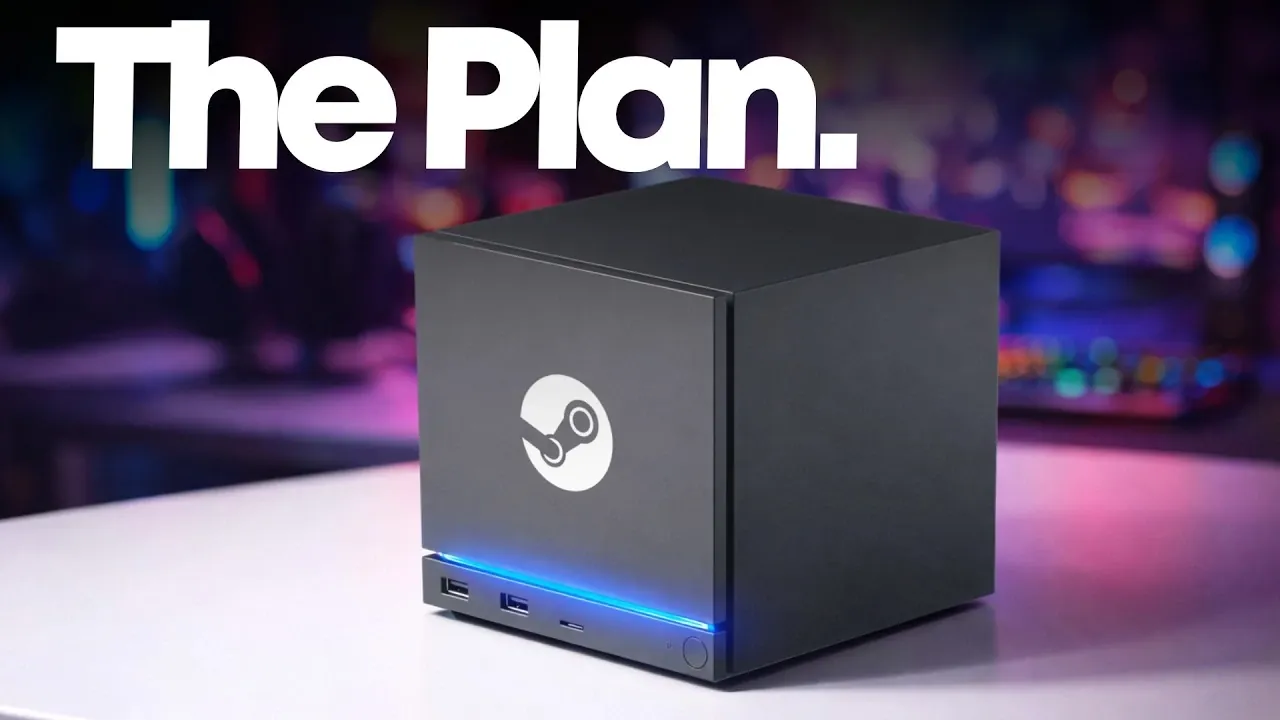
Valve’s Steam Machine, a once-promising entry in the gaming hardware market, has faced significant challenges since its initial launch. As outlined by Deck Ready, issues such as rising production costs, supply chain delays, and unclear communication have hindered its success and left its future uncertain. However, there is still potential for Valve to reinvigorate the Steam hardware by focusing on performance-driven design and creating a cohesive ecosystem that complements its other hardware offerings, like the Steam Deck.
In this overview, you’ll learn how Valve can address core challenges such as pricing constraints and production delays, while also shifting its focus toward delivering a high-performance gaming experience. Additionally, we’ll explore how aligning the Steam hardware with flagship software and using the Steam Deck’s success could help rebuild consumer trust and broaden its appeal. By taking a calculated and transparent approach, Valve has the opportunity to reestablish the Steam Machine as a competitive option in the gaming landscape.
Reviving Valve’s Steam Machine
TL;DR Key Takeaways :
- Valve’s Steam Machine has faced challenges like rising production costs, delays, and waning consumer interest, but a strategic refocus could revive its potential in the gaming market.
- Addressing pricing and production delays through cautious planning and avoiding premature announcements is critical to rebuilding consumer trust and managing expectations.
- Focusing on performance over affordability and positioning the Steam Machine as a versatile device for gaming and productivity could broaden its appeal and differentiate it from competitors.
- Using the success of the Steam Deck as a complementary product and aligning hardware with compelling software can strengthen Valve’s ecosystem and enhance the Steam Machine’s value proposition.
- Transparent communication, regular updates, and proactive engagement with the gaming community are essential for rebuilding trust, sustaining interest, and generating excitement for the Steam Machine.
Addressing Core Challenges: Pricing and Delays
The Steam Machine’s journey has been marred by significant hurdles, particularly rising component costs and production delays. Factors such as global RAM shortages and supply chain disruptions have driven up prices, making it difficult for Valve to meet consumer expectations. These issues have not only delayed the product’s release but also created skepticism among potential buyers.
To overcome these obstacles, Valve must adopt a more cautious and calculated approach. Avoiding premature announcements of pricing or release dates is critical. Instead, Valve should ensure that all timelines and costs are thoroughly vetted before making public commitments. This strategy would help manage consumer expectations, reduce the risk of disappointment, and foster a sense of reliability around the Steam Machine.
Shifting Focus: Performance Over Price
Rather than attempting to compete solely on affordability, Valve should emphasize the Steam Machine’s performance capabilities. Highlighting its ability to deliver smooth gameplay for popular titles can shift the narrative toward its strengths as a high-performance gaming device. This approach would resonate with gamers who prioritize quality and reliability over cost.
Additionally, positioning the Steam Machine as a versatile device capable of handling both gaming and productivity tasks could broaden its appeal. By marketing it as a dual-purpose system, Valve could attract a wider audience, including professionals and casual users seeking a device that bridges entertainment and work. This strategy would not only enhance the Steam Machine’s value proposition but also differentiate it from traditional gaming consoles.
Steam Machine Release Delays, RAM Shortages & Price

Below are more guides on Steam Machine from our extensive range of articles.
- Steam Machine Pricing Tipped at $600 to $650 with Supply Tight
- New Steam Machine Accessories : Plus GeForce Now App for Linux
- Steam Machine : Early 2026 Release Date, Prices, Specs & OS
- Valve Steam Machine Returns in 2026, Specs, Price Outlook
- Steam Machine Emulation Guide: 4K Upscaling and Older Consoles
- Steam Machine HDMI 2.1 Limits, Valve and AMD Fixes Explained
- Steam Machine Pricing Outlook, Early 2026 Release Window
- Early 2026 Slips for Valve’s Steam Hardware Lineup
- Valve Targets mid-2026 Steam Machine Release Date Launch
- Worlds Smallest Steam Machine Packs 32GB RAM & VRR
Strengthening the Ecosystem: Using the Steam Deck
Valve’s Steam Deck has already proven to be a successful entry in the handheld gaming market, garnering praise for its portability and performance. Building on this success, Valve can use the Steam Deck as a cornerstone of its hardware ecosystem. Regular updates, feature enhancements, and bug fixes for the Steam Deck will keep it relevant and maintain consumer interest in Valve’s broader hardware offerings.
Crucially, Valve should position the Steam Deck and the Steam Machine as complementary products rather than competitors. For instance, the Steam Deck could serve as a portable extension of the Steam Machine, allowing users to seamlessly transition between gaming on the go and gaming at home. Teasing the development of a potential Steam Deck 2 could also sustain excitement and demonstrate Valve’s commitment to innovation in gaming hardware.
Aligning Hardware and Software for Maximum Impact
The success of any gaming hardware is closely tied to the availability of compelling software. Valve has the opportunity to generate excitement for the Steam Machine by pairing its release with a flagship game or an optimized third-party title. For example, making sure compatibility with critically acclaimed games like Half-Life: Alyx could showcase the device’s capabilities, particularly when paired with the Steam Frame VR headset.
This alignment between hardware and software would underscore the value of Valve’s ecosystem, offering gamers a seamless and immersive experience. By collaborating with developers to optimize games for the Steam Machine, Valve can further enhance its appeal and demonstrate its commitment to delivering high-quality gaming experiences.
Rebuilding Consumer Trust Through Transparency
Valve’s history of discontinuing hardware projects has left some consumers questioning its long-term commitment to gaming hardware. To rebuild trust, Valve must adopt a transparent and consistent communication strategy. Regular updates on the Steam Machine’s development, along with a clear roadmap for future hardware and software initiatives, can reassure consumers of Valve’s dedication to its platform.
By clearly articulating its vision for Steam hardware and Steam OS, Valve can address concerns and foster confidence among its audience. Transparency, combined with a well-defined strategy, will be essential in convincing gamers that the Steam Machine is a worthwhile investment.
Maintaining Momentum and Generating Excitement
Sustaining interest in the Steam hardware requires proactive engagement with the gaming community. Valve should focus on creating a steady stream of updates, sneak peeks, and demonstrations that highlight the hardware’s unique features. For instance, showcasing gameplay footage, behind-the-scenes development insights, or user testimonials can help reignite enthusiasm for the Steam Machine.
Additionally, using social media and gaming events to promote the Steam hardware can keep it in the public eye. By maintaining an active presence and fostering a sense of anticipation, Valve can ensure that the Steam Machine remains a relevant topic of discussion within the gaming community.
The Path Forward
The Steam Machine’s potential lies in Valve’s ability to address its current challenges and refocus its efforts on delivering a high-quality product. By prioritizing performance, using the success of the Steam Deck, aligning hardware with compelling software, and maintaining transparent communication, Valve can rebuild consumer confidence and reestablish the Steam Machine as a valuable addition to the gaming landscape.
A commitment to strategic planning, user experience, and ecosystem integration will be key to overcoming obstacles and achieving long-term success. With the right approach, Valve can transform the Steam Machine into a cornerstone of its gaming hardware portfolio, offering gamers a powerful and versatile platform for years to come.
Media Credit: Deck Ready
Disclosure: Some of our articles include affiliate links. If you buy something through one of these links, Geeky Gadgets may earn an affiliate commission. Learn about our Disclosure Policy.
