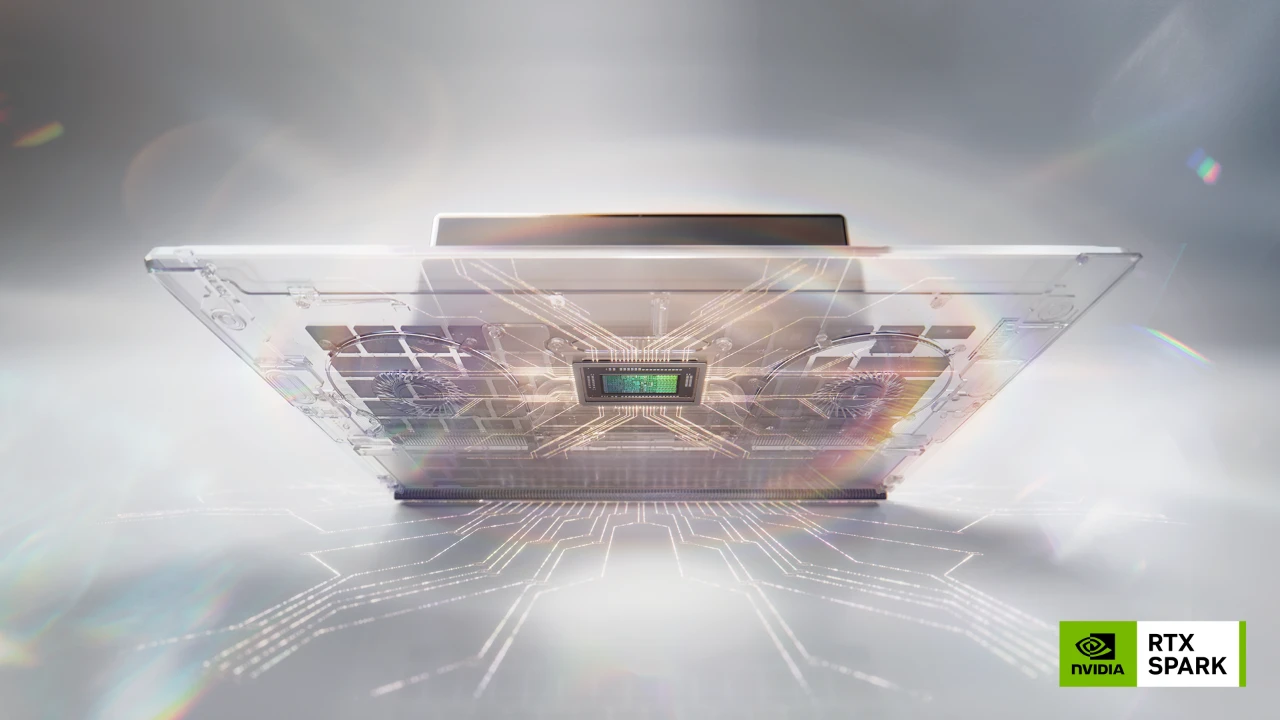
NVIDIA recently introduced RTX Spark, a new computing platform that integrates a CPU, GPU, AI accelerators, and unified memory into a single ARM-based system-on-chip (SoC). This innovation draws comparisons to Apple’s Apple Silicon strategy, aiming to redefine the Windows PC ecosystem. By combining efficiency, performance, and advanced AI capabilities, RTX Spark has the potential to reshape personal computing. However, its success will depend on overcoming challenges such as software compatibility and market adoption. The video below from ZONEofTECH gives us more details on the new NVIDIA RTX Spark.

What Sets RTX Spark Apart?
RTX Spark is built on an ARM-based SoC architecture that unifies critical components, CPU, GPU, AI accelerators, and memory into a single, cohesive system. This design offers several distinct advantages:
- Reduced latency: The integration of components minimizes delays in data transfer, allowing faster processing.
- Enhanced power efficiency: Optimized energy usage leads to longer battery life, particularly in portable devices.
- Streamlined performance: The architecture is tailored for modern computing tasks, making sure smooth operation across various applications.
A key feature of RTX Spark is its unified memory architecture. By allowing the CPU, GPU and AI accelerators to share the same memory pool, the platform eliminates data transfer bottlenecks. This results in improved performance for tasks ranging from gaming to AI-driven workflows, making it a versatile solution for diverse user needs.
Performance Highlights and Technical Features
RTX Spark features impressive technical specifications, positioning it as a powerful tool for both professional and personal use. Its standout features include:
- 12-core CPU: Designed for efficient multitasking and computational power.
- Thousands of Blackwell GPU cores: Delivering high-performance graphics rendering for demanding applications.
- Up to 128 GB of unified memory: Making sure seamless data access and enhanced multitasking capabilities.
For gamers, RTX Spark supports 1440p gaming at over 100 frames per second (FPS), providing smooth and immersive gameplay. Content creators benefit from AI-enhanced tools that accelerate rendering, video editing, and other creative workflows. This combination of power and versatility makes RTX Spark a compelling choice for users with demanding performance requirements.
AI Integration: Transforming User Experiences
One of the most notable aspects of RTX Spark is its focus on AI integration. The platform includes dedicated AI accelerators that efficiently handle complex computations. This enables the use of personal AI agents capable of:
- Automating repetitive tasks: Reducing manual effort and saving time.
- Streamlining workflows: Enhancing productivity through intelligent task management.
- Improving user interactions: Delivering personalized and adaptive experiences.
Unlike traditional AI systems that rely heavily on cloud-based processing, RTX Spark emphasizes local AI processing. This approach reduces latency, enhances privacy and ensures faster response times. Users benefit from greater control over sensitive data and a more seamless, AI-driven experience tailored to their needs.
Efficiency and Gaming Performance in Harmony
RTX Spark is engineered for efficiency, making it an ideal choice for lightweight, portable devices such as thin laptops and mini PCs. By using Nvidia’s expertise in graphics and AI-assisted rendering, the platform achieves a balance between performance and energy efficiency. Key benefits include:
- Extended battery life: Ideal for users who need reliable performance on the go.
- Quieter operation: Reduced power consumption leads to less heat generation and quieter devices.
- AI-enhanced graphics: Delivering realistic visuals and smooth gameplay for an immersive experience.
Whether you’re gaming at high resolutions or tackling graphically intensive tasks, RTX Spark ensures a seamless experience that rivals traditional gaming laptops while maintaining portability and efficiency.
Collaborations and Device Availability
NVIDIA has partnered with leading manufacturers, including Dell, HP, Lenovo, Asus, Acer, Gigabyte, MSI and Microsoft, to bring RTX Spark-powered devices to market. Initial offerings include premium laptops and mini PCs, such as:
- Microsoft Surface Ultra: A high-performance device designed for professionals and tech enthusiasts.
- Asus ProArt models: Tailored for creators, offering advanced tools for content production.
These devices are expected to highlight the platform’s capabilities, targeting a wide range of users, from gamers to professionals seeking innovative performance.
Challenges and Opportunities
Despite its potential, RTX Spark faces several challenges that could influence its adoption and success:
- Software compatibility: Windows on ARM has historically struggled to match the performance and compatibility of x86-based systems, which could limit the platform’s appeal.
- Cost considerations: The premium pricing of RTX Spark-powered devices may deter budget-conscious consumers, especially when compared to alternatives like MacBook Pros.
- User adoption: The success of personal AI agents and local AI processing depends on user acceptance and the development of robust software ecosystems.
Addressing these challenges will be critical for Nvidia to establish RTX Spark as a mainstream computing platform. Success will require strategic efforts to improve software compatibility, optimize pricing and foster a supportive ecosystem for developers and users.
Shaping the Future of Personal Computing
Nvidia’s entry into the ARM-based SoC market with RTX Spark represents a bold strategic move. By positioning the platform as a comprehensive computing solution, Nvidia is directly challenging established players like Intel, AMD and Qualcomm. If successful, RTX Spark could redefine the personal computing landscape by setting new benchmarks for:
- Performance and efficiency: Offering a seamless blend of power and energy optimization.
- AI integration: Pioneering local AI processing for enhanced user experiences.
- Portability and battery life: Allowing lightweight devices without compromising performance.
The platform’s success will depend on overcoming software compatibility hurdles and achieving widespread market adoption. For now, RTX Spark stands as a bold step forward, offering a glimpse into the future of computing. Whether it becomes a fantastic force or remains an ambitious experiment will depend on how Nvidia navigates the challenges ahead.
Learn more about Nvidia RTX Spark with other articles and guides we have written below.
Source: ZONEofTECH
Disclosure: Some of our articles include affiliate links. If you buy something through one of these links, Geeky Gadgets may earn an affiliate commission. Learn about our Disclosure Policy.
