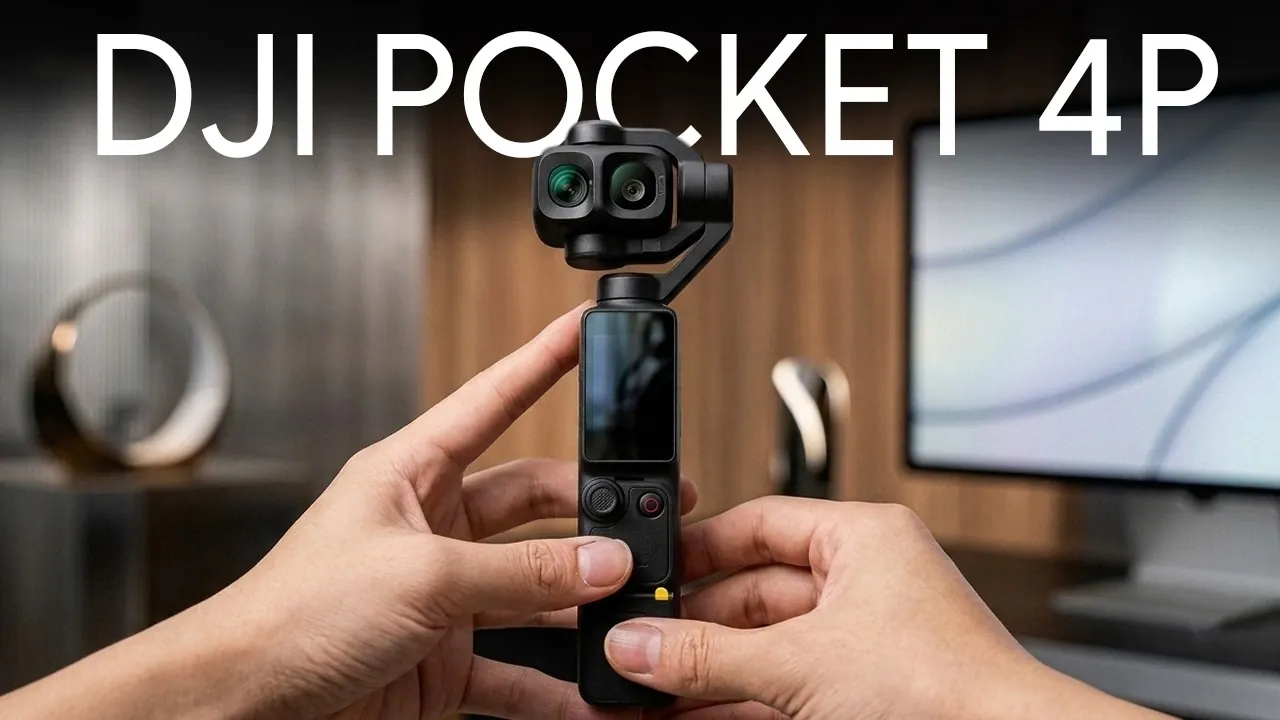
Compact cameras like the DJI Osmo Pocket 4P are gaining attention for their ability to balance portability with advanced functionality. TechAvid explores this device’s rumored features, including its two photo modes: Standard Mode, which uses pixel binning to produce 8 MP images with enhanced dynamic range and reduced noise and Ultra Clear Mode, capable of delivering up to 37 MP images for high-resolution needs. While these modes offer flexibility for different creative scenarios, questions about the telephoto camera’s resolution and consistency across lenses highlight potential trade-offs for users seeking uniform performance.
Dive into this guide to uncover how the Osmo Pocket 4P addresses vertical video recording with its 3K resolution at 60 fps, a practical choice for mobile-first platforms like TikTok and Instagram Reels. You’ll also gain insight into its Dlog-M 2 10-bit recording format, which enhances post-production flexibility and the inclusion of optical zoom for capturing distant subjects. By examining these features alongside their limitations, you’ll better understand how this compact camera might fit into your content creation workflow.
Photo Modes: Balancing Versatility and Precision
TL;DR Key Takeaways :
- The DJI Osmo Pocket 4P is rumored to feature two photo modes: Standard Mode (8 MP with pixel binning for balanced quality) and Ultra Clear Mode (up to 37 MP for high-resolution imaging), catering to diverse creative needs.
- Vertical video recording supports 3K resolution at 60 fps, optimized for social media platforms, but lacks native 4K vertical video, limiting post-production flexibility.
- Dlog-M 2 10-bit recording offers enhanced dynamic range and post-production flexibility, though potential limitations in telephoto camera support may affect consistency.
- The telephoto camera includes true optical zoom for capturing distant subjects, but may underperform compared to the main camera in resolution and dynamic range.
- While the Osmo Pocket 4P excels in portability and advanced features, limitations like telephoto inconsistencies and lack of 4K vertical video highlight areas for improvement.
The Osmo Pocket 4P is expected to offer two distinct photo modes: Standard and Ultra Clear. These modes aim to cater to a wide range of creative needs, from casual photography to high-resolution imaging.
- Standard Mode: This mode produces 8 MP images, likely using pixel binning technology. By combining data from multiple pixels, it enhances dynamic range, reduces noise and improves overall efficiency. This makes it an excellent choice for everyday photography, where balanced image quality and ease of use are essential.
- Ultra Clear Mode: Designed for maximum detail, this mode delivers 33 MP images in a 16:9 aspect ratio or 37 MP in a 1:1 format. It is ideal for high-resolution prints or detailed cropping. However, rumors surrounding the telephoto camera’s sensor resolution, ranging from 37 MP to 50 MP, raise questions about consistency in image quality across the device’s cameras.
While these modes provide flexibility for different scenarios, the uncertainty regarding the telephoto camera’s resolution could impact its appeal for users seeking uniform performance across all lenses. For creators who prioritize consistency, this may be a factor worth considering.
Vertical Video Recording: Practical Yet Limited
Vertical video recording has become a crucial feature for social media content creators and the Osmo Pocket 4P reportedly supports 3K resolution at 60 fps. This resolution is sufficient for platforms like TikTok, Instagram Reels and YouTube Shorts, making sure sharp and vibrant videos optimized for mobile viewing.
However, the absence of native 4K vertical video may limit creative flexibility during post-production. Without the ability to crop or reframe footage extensively, creators might find their options somewhat restricted. Despite this, the 3K resolution strikes a practical balance between quality and usability, making it a viable option for those focused on producing content for mobile-first platforms.
Below are more guides on DJI Osmo Pocket 4P from our extensive range of articles.
- DJI Osmo Pocket 4P Global Launch is Finally Here
- Why DJI Kept the Osmo Pocket 4P Specs a Secret at Cannes
- How the Insta360 Luna Ultra Challenges DJI’s Cinematic Dominance
- What the Latest DJI Osmo Pocket 4P Leaks Actually Mean
- DJI’s Osmo Pocket 4 Pro Faces a Hidden Threat from Insta360
- DJI Pocket 4 vs Pocket 4P : Are the New Pro Features Worth the Upgrade?
- Why the DJI Osmo Pocket 4P is Launching Under a Completely Different Name in the U.S.
- Everything We Know About the DJI Pocket 4 Pro Sensor Upgrade
- DJI Pocket 4 Pro is a Much Bigger Upgrade Than Expected
- DJI Osmo Pocket 4 vs Insta 360 Luna Ultra : Everything You Need to Know
Dlog-M 2 10-bit Recording: Enhancing Post-Production Flexibility
One of the standout features of the Osmo Pocket 4P is its rumored support for Dlog-M 2 10-bit recording. This advanced format captures a wider dynamic range, preserving more detail in highlights and shadows. For creators, this translates to greater flexibility during post-production, allowing for precise color grading and adjustments to achieve the desired aesthetic.
However, there is speculation that the telephoto camera may not support Dlog-M 2 recording. This could result in inconsistencies in dynamic range and color processing between the main and telephoto cameras. For creators working on multi-camera projects, such discrepancies might complicate workflows. While the main camera’s capabilities are impressive, the potential limitations of the telephoto lens could deter advanced users seeking seamless integration across all lenses.
Optical Zoom: Expanding Creative Possibilities
The inclusion of true optical zoom on the telephoto camera is a significant upgrade, allowing users to capture distant subjects without sacrificing image quality. This feature is particularly valuable for scenarios such as travel, wildlife and event photography, where physically moving closer to the subject may not be feasible.
However, the telephoto camera may not match the main camera’s performance in terms of resolution, dynamic range, or color grading flexibility. These differences could lead to noticeable variations in image quality, requiring creators to carefully weigh the benefits of optical zoom against potential inconsistencies. For those who prioritize versatility, the addition of optical zoom remains a compelling feature despite its trade-offs.
A Compact Camera with Strengths and Challenges
The DJI Osmo Pocket 4P presents itself as a promising tool for modern creators, combining portability with advanced features. Its photo modes, vertical video recording capabilities and Dlog-M 2 10-bit recording support make it a strong contender for both social media content creation and professional workflows.
However, certain limitations, such as the lack of native 4K vertical video and potential inconsistencies in telephoto camera performance, highlight areas where the device could improve. For creators who value ease of use, portability and post-production flexibility, the Osmo Pocket 4P offers a compelling mix of features. While it may not fulfill every demand, its strengths in image quality and creative versatility make it a noteworthy option for those looking to elevate their content creation efforts.
Media Credit: TechAvid
Disclosure: Some of our articles include affiliate links. If you buy something through one of these links, Geeky Gadgets may earn an affiliate commission. Learn about our Disclosure Policy.
