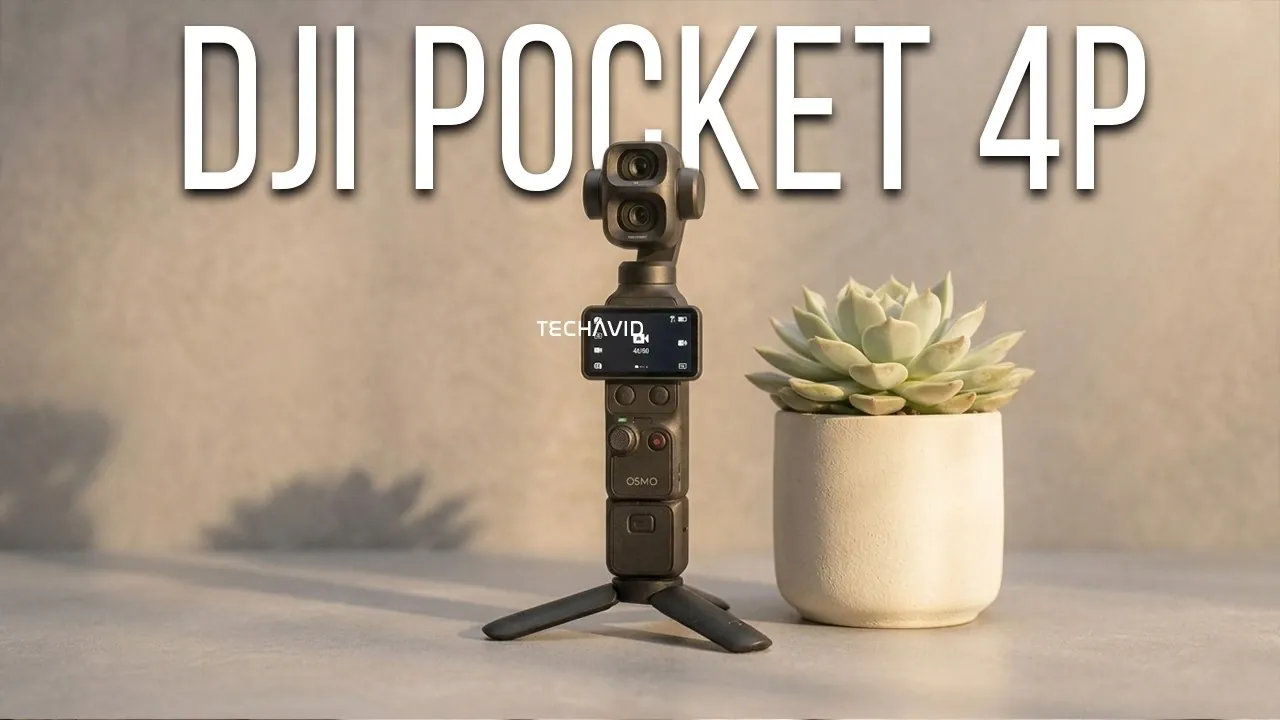
The DJI Osmo Pocket 4P, a compact handheld camera, is encountering obstacles in its U.S. release due to regulatory restrictions. These include the lack of FCC certification and DJI’s placement on the FCC’s covered list over national security concerns. To address these challenges, TechAvid explains how DJI has opted to market a nearly identical product, the Xtra Muse 2 Pro, under a different brand name. This approach enables the company to comply with regulations while continuing to serve the U.S. market.
Discover how the Xtra Muse 2 Pro matches up to the Osmo Pocket 4P, including its vertical dual-camera system and 4K slow-motion recording capabilities. Learn about the trade-offs in areas like hardware performance and aftersales support, as well as the broader implications of rebranding strategies for creators and professionals. This launch overview offers a closer look at the practical and strategic dimensions of this release.
Regulatory Hurdles: FCC Approval and National Security Concerns
TL;DR Key Takeaways :
- The DJI Osmo Pocket 4P faces significant U.S. launch challenges due to regulatory barriers, including the lack of FCC certification and DJI’s inclusion on the FCC’s covered list over national security concerns.
- DJI has introduced the Xtra Muse 2 Pro, a rebranded version of the Osmo Pocket 4P with nearly identical hardware, as a workaround to navigate U.S. regulatory restrictions.
- Both devices feature advanced camera technology, including a vertical dual-camera system, 4K slow-motion recording, 10-bit D-log, ActiveTrack 7.0 and 107 GB of built-in storage, catering to creators and professionals.
- While the Xtra Muse 2 Pro offers similar hardware, DJI’s robust global aftersales support network remains a key differentiator, potentially influencing consumer decisions.
- DJI’s strategic adaptation through alternative branding highlights its resilience and ability to navigate evolving geopolitical and regulatory challenges while maintaining access to key markets.
Entering the U.S. market requires navigating a complex regulatory framework and DJI is no stranger to these challenges. The company is listed on the FCC’s covered list due to national security concerns, which restrict its ability to sell products in the U.S. This designation stems from broader geopolitical tensions and increased scrutiny of Chinese technology companies operating in global markets.
Adding to the complexity, the DJI Osmo Pocket 4P has not yet received FCC certification, a mandatory requirement for electronic devices sold in the U.S. Without this approval, the product cannot be officially launched, leaving consumers uncertain about its availability. These restrictions underscore the growing challenges faced by Chinese tech firms in maintaining their foothold in competitive markets like the United States.
For DJI, this situation necessitates innovative strategies to ensure its products remain accessible to consumers while adhering to regulatory requirements. The company’s response highlights its ability to adapt to an evolving geopolitical landscape.
Alternative Branding: The Xtra Muse 2 Pro
To navigate these regulatory challenges, DJI appears to be employing an alternative branding strategy. The Xtra Muse 2 Pro, a product with striking similarities to the Osmo Pocket 4P, has been confirmed for release in the U.S. market. Xtra, a brand known for offering DJI-like products during periods of regulatory uncertainty, provides a workaround that allows consumers to access the same advanced hardware under a different name.
While the branding differs, the core technology remains largely unchanged. This approach enables DJI to maintain an indirect presence in the U.S. market, making sure that its innovative products remain accessible to consumers despite regulatory obstacles. By using this strategy, DJI demonstrates its ability to adapt to shifting market conditions while continuing to deliver high-quality technology to its audience.

Here is a selection of other guides from our extensive library of content you may find of interest on DJI Pocket.
- DJI Pocket 4 Release Date (April 2026): Specs & Price
- DJI Pocket 4 Specs Officially Confirmed
- DJI Pocket 4 Pro : 1-Inch Sensor and Dual Camera Details
- DJI Osmo Pocket 4 Release Date, Rumored Specs & Sensor
- DJI Pocket 4: Should You Pre-Order Now or Wait?
- DJI Osmo Pocket 4 Unboxing & Creator Combo Accessories
- DJI Osmo Pocket 4 Pro Leaks: 6K Video, Optical Zoom, June 2026 Release
- Insta360 Luna Pro and Ultra Review: A True DJI Pocket 4 Rival
- Should You Wait for the Insta360 Luna Ultra or Buy the DJI Pocket 4?
- DJI Osmo Pocket 4 Review : Specs, Features, and Trade-Offs
Innovative Camera Technology
Both the DJI Osmo Pocket 4P and the Xtra Muse 2 Pro are equipped with advanced camera technology designed to meet the needs of creators and professionals. These devices offer a range of features that enhance their versatility and appeal:
- A vertical dual-camera system with a 1-inch main sensor for superior image quality and a telephoto lens for optical zoom, allowing users to capture detailed and dynamic visuals.
- 4K slow-motion video recording at 240 frames per second, delivering smooth and high-quality footage for creative projects.
- 10-bit D-log with 14 stops of dynamic range, providing enhanced color grading capabilities and greater flexibility in post-production.
- ActiveTrack 7.0, an upgraded subject tracking system that ensures moving subjects remain in focus, even in dynamic shooting environments.
- 107 GB of built-in storage, allowing for extended recording sessions without the need for external memory cards.
These features make the devices highly versatile, catering to a wide range of creative and professional needs. Whether for vloggers, filmmakers, or content creators, the technology embedded in these cameras ensures high performance and reliability.
Aftersales Support: A Key Differentiator
While the Xtra Muse 2 Pro matches the Osmo Pocket 4P in terms of hardware performance, differences in aftersales support may influence consumer decisions. DJI is renowned for its robust global service network, offering comprehensive repairs, technical assistance and customer support across multiple regions. This infrastructure ensures that users can rely on timely and effective support for their devices.
In contrast, Xtra’s aftersales support is less extensive, which could impact the long-term user experience. For consumers, this creates a trade-off between accessing advanced technology and making sure reliable support services. While the Xtra Muse 2 Pro provides access to innovative hardware, its support infrastructure may not meet the same standards as DJI’s, potentially influencing purchasing decisions.
Strategic Adaptation in a Changing Market
The challenges faced by DJI underscore the importance of strategic adaptation in a rapidly evolving geopolitical and regulatory landscape. By using alternative branding strategies, the company can continue to serve key markets while complying with local regulations. This approach minimizes the impact of restrictions and ensures that consumers still have access to advanced products.
For U.S. consumers, the availability of the Xtra Muse 2 Pro highlights the resilience of global supply chains and the adaptability of technology companies. Despite the branding differences, the core value proposition, delivering advanced camera technology for creators, remains intact. This development reflects the broader trend of companies finding innovative ways to navigate regulatory challenges while maintaining their commitment to innovation and quality.
As the regulatory landscape continues to evolve, companies like DJI must remain agile, balancing compliance with the need to meet consumer demands. The introduction of the Xtra Muse 2 Pro serves as a testament to the company’s ability to adapt and thrive in a competitive global market.
Media Credit: TechAvid
Disclosure: Some of our articles include affiliate links. If you buy something through one of these links, Geeky Gadgets may earn an affiliate commission. Learn about our Disclosure Policy.
