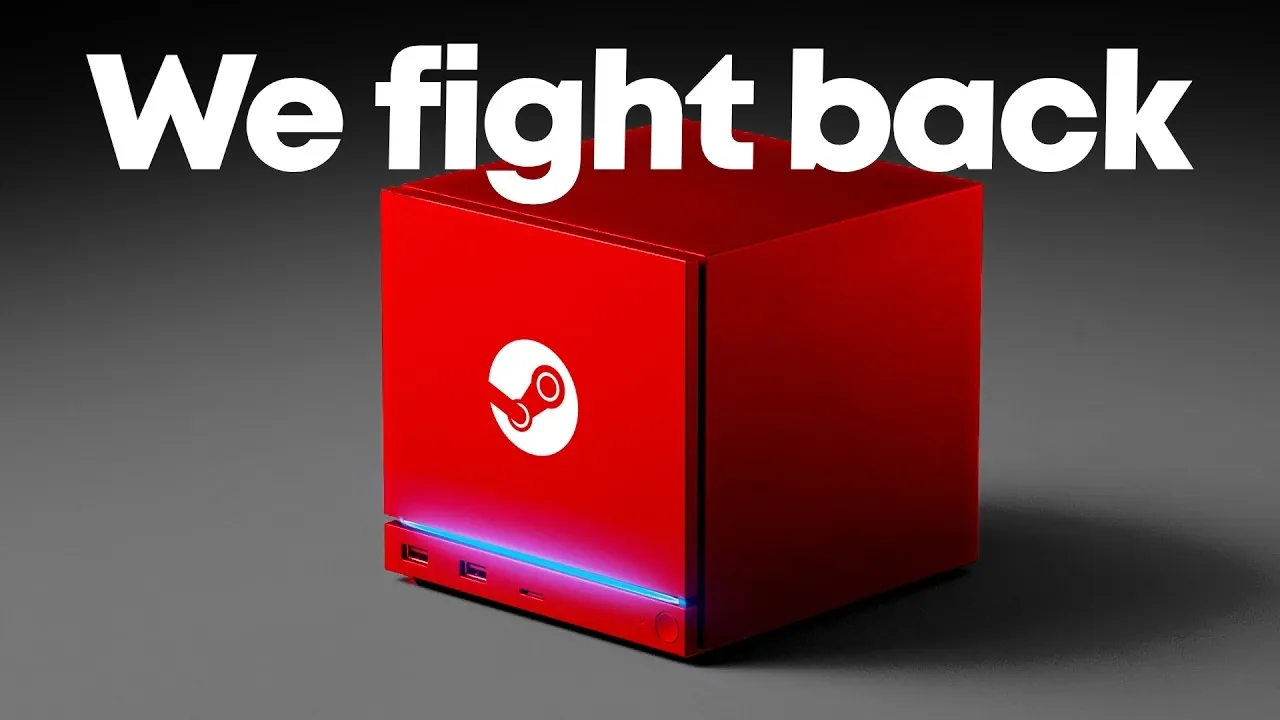
Valve’s Steam Machine project aims to offer gamers a Linux-based alternative to traditional Windows gaming systems, with Steam OS at its core. As highlighted by Deck Ready, the initiative balances affordability and performance, targeting a price range of $750 to $800 for configurations featuring SSD storage from 512GB to 2TB. Despite rising component costs, Valve remains committed to keeping the device accessible while using mature hardware to ensure compatibility with a wide range of games. This approach reflects Valve’s broader goal of reducing the gaming industry’s reliance on Windows and fostering adoption of Steam OS.
This overview provides more insights into key aspects of the Steam Machine’s development, from its pricing strategy to its production progress and the technological advancements driving its performance. You’ll learn how Valve’s Mesa graphics driver enhances ray tracing on AMD GPUs, improving visual fidelity and how the company’s production timeline aligns with a potential launch before June 2026. Additionally, it explores the implications of fluctuating component costs on the project’s future and what this means for gamers looking to embrace Linux-based gaming platforms.
Steam Machine Overview
TL;DR Key Takeaways :
- Valve’s Steam Machine project aims to promote Linux-based gaming through Steam OS, offering an alternative to traditional Windows-based systems and fostering innovation in the gaming industry.
- The Steam Machine’s pricing is projected between $750 and $800, with a focus on affordability and performance, making sure accessibility while encouraging adoption of Steam OS.
- Production for the initial launch phase is complete, with a realistic release timeline set before June 2026, though future production cycles may face challenges due to component cost volatility.
- Technological advancements include a new Mesa graphics driver for Steam OS, significantly improving ray tracing performance on AMD GPUs and enhancing visual quality across Valve’s hardware ecosystem.
- Valve remains committed to the Steam Machine project despite market speculation, emphasizing transparency and its long-term vision to establish Steam OS as a competitive and versatile gaming platform.
Rising Costs and Pricing Strategy
The Steam Machine’s pricing has been influenced by fluctuations in the cost of key components, particularly laptop RAM. Current projections place the price range between $750 and $800, depending on the configuration, which includes storage options ranging from 512GB to 2TB of SSD capacity. Despite these increases, Valve is expected to maintain a ceiling below the $1,000 mark, making sure the device remains accessible to a broad audience. This pricing strategy reflects Valve’s commitment to fostering adoption of Steam OS and encouraging gamers to transition to Linux-based platforms. By balancing affordability with performance, Valve aims to position the Steam Machine as a viable alternative to traditional gaming PCs.
Production Progress and Launch Timeline
Valve has reportedly completed production of enough units to support the Steam Machine’s initial launch phase. While concerns about potential delays persist, these are largely tied to future production cycles and the volatility of component prices rather than the readiness of the first wave of devices. A launch before June 2026 remains a realistic goal, though market conditions could influence this timeline. Valve’s emphasis on delivering a polished and reliable product suggests that any adjustments to the schedule would prioritize quality and user satisfaction over meeting arbitrary deadlines. This approach underscores Valve’s dedication to making sure the Steam Machine meets the expectations of its audience.
Steam Machine Update Feb 2026

Here are additional guides from our expansive article library that you may find useful on Steam Machine.
- Steam Machine : Early 2026 Release Date, Prices, Specs & OS Features
- Steam Machine Pricing Tipped at $600 to $650 with Supply Tight
- Steam Machine Pricing Outlook, Early 2026 Release Window
- Worlds Smallest DIY Steam Machine : Ryzen 7840U for Steady 1080p Play
- Steam Machine Update : Pricing Delays & What Valve Can Do Next
- Steam Machine HDMI 2.1 Limits, Valve and AMD Fixes Explained
- Steam Machine 2026 Launch Plan Amid Component Shortages
- New Steam Machine Accessories : Plus GeForce Now App for Linux
- Steam Machine Price : Why Valve Set the Tag at $1,000 in 2026
- Steam Machine Price Guide, $600 to $1000 : Who Should Buy
Steam OS: The Core of the Strategy
At the heart of the Steam Machine project lies Steam OS, Valve’s Linux-based operating system designed specifically for gaming. The Steam Machine serves as a vehicle to promote this platform, offering gamers an alternative to Windows while encouraging other manufacturers to adopt Steam OS for their own hardware. By providing affordable, entry-level devices, Valve seeks to expand the Steam OS ecosystem and reduce the gaming industry’s reliance on Windows. This initiative not only diversifies the market but also fosters innovation in Linux-based gaming, creating new opportunities for developers and gamers alike. Valve’s long-term vision is to establish Steam OS as a competitive and versatile platform that enables users with greater choice and flexibility.
Component Market Trends and Their Impact
The fluctuating component market has played a pivotal role in shaping the Steam Machine’s pricing and availability. Key trends influencing the project include:
- Laptop RAM: Prices continue to rise, making it a significant cost driver for the Steam Machine.
- SSD Storage: Costs have stabilized near their manufacturer’s suggested retail price (MSRP), providing some predictability in this area.
- CPU and GPU Costs: These components remain relatively stable, as the Steam Machine uses mature, less in-demand technology to manage expenses.
By using established hardware, Valve ensures compatibility with a wide range of gaming titles while keeping production costs under control. This strategy allows the Steam Machine to deliver a high-quality gaming experience without requiring innovative components.
Graphics Technology Enhancements
One of the most notable advancements for the Steam Machine is the introduction of a new Mesa graphics driver for Steam OS. This driver significantly improves ray tracing performance on AMD GPUs, enhancing the visual quality of modern gaming titles. The same technology benefits the Steam Deck, highlighting Valve’s commitment to advancing gaming experiences across its hardware ecosystem. With Valve directly involved in driver development, these improvements are expected to roll out efficiently, further solidifying Steam OS as a competitive platform for gamers. By prioritizing graphics performance, Valve ensures that the Steam Machine remains relevant in an industry where visual fidelity is increasingly important.
Dispelling Market Misconceptions
Speculation surrounding the Steam Machine’s potential delays or cancellation has created unnecessary doubt about the project’s future. However, Valve’s continued investment in Steam OS and its hardware ecosystem demonstrates its dedication to the initiative. The Steam Machine is a cornerstone of Valve’s broader strategy to redefine gaming hardware and software, offering gamers a new way to experience their favorite titles. By addressing market concerns and maintaining transparency, Valve reinforces its commitment to delivering a product that meets the needs of its audience. Gamers can remain confident in Valve’s ability to fulfill its promises and drive innovation in the gaming industry.
Looking Ahead
As the gaming industry evolves, the Steam Machine represents a bold step toward a more diverse and accessible future. While awaiting its release, gamers can continue to enjoy the robust experiences offered by platforms like the Steam Deck, which shares many of the same technological advancements. Valve’s vision for an inclusive, Linux-based gaming ecosystem ensures that the Steam Machine will be worth the wait. By embracing this new chapter in gaming, you contribute to a future where choice, performance and innovation thrive together, paving the way for a more dynamic and versatile gaming landscape.
Media Credit: Deck Ready
Disclosure: Some of our articles include affiliate links. If you buy something through one of these links, Geeky Gadgets may earn an affiliate commission. Learn about our Disclosure Policy.
