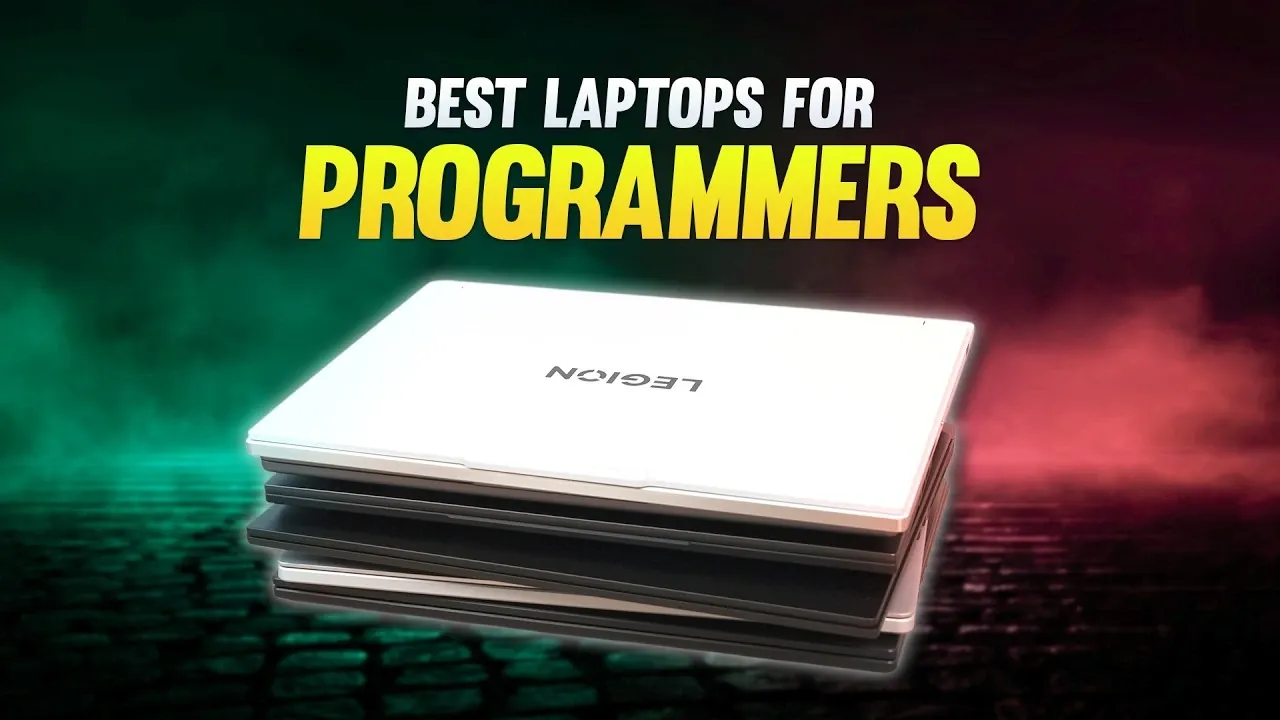
What if the tool you rely on every day could do more than just meet your needs, it could transform the way you work? For programmers, a laptop isn’t just a device; it’s the foundation of creativity, problem-solving, and productivity. In 2025, the landscape of programming laptops has evolved dramatically, with innovative processors, stunning displays, and specialized features designed to cater to diverse coding disciplines like AI development, game design, and web programming. Choosing the right laptop is no longer about picking what’s “good enough.” It’s about finding the one that enables you to code faster, debug smarter, and innovate without limits. Your laptop should be your greatest ally, not a bottleneck to your potential.
In this comprehensive guide, Just Josh explains the best laptops for programmers in 2025, tailored to meet the demands of modern development workflows. From machines with unparalleled performance for handling massive datasets to those with lightweight builds and long-lasting battery life for coding on the go, this overview will help you identify the features that matter most for your unique needs. Whether you’re a Linux enthusiast, a macOS devotee, or a Windows power user, you’ll discover laptops that align with your goals and elevate your work. As you read on, consider how the right laptop could redefine your daily coding experience, because in the world of programming, the right tools make all the difference.
Awesome Laptops for Programmers
TL;DR Key Takeaways :
- High-performance laptops with powerful CPUs (Intel H/HX, AMD Ryzen 7/9, Apple M4 Pro) and at least 32GB of RAM are essential for programmers to handle multitasking and demanding software efficiently.
- A quality display with a resolution exceeding 200 PPI, brightness of at least 400 nits, and a screen size of 16 inches or more is crucial for long coding sessions and improved productivity.
- Comfortable keyboards, effective thermal management, and durable build quality are vital for extended use and maintaining productivity during intensive programming tasks.
- Portability and battery life are key for developers working on the go, with laptops under 4.5 lbs and extended battery performance being ideal for remote work.
- Top laptop recommendations for 2025 include the MacBook Pro 14/16 (M4 Pro chip), Lenovo IdeaPad Pro 5i, Lenovo Legion 7i, Asus Zephyrus G16, Framework 13 (Zen 5), and ThinkPad X1 Carbon (Lunar Lake), each catering to specific developer needs and preferences.
Performance: The Core of Productivity
For programmers, performance is a fundamental requirement. A laptop must be capable of handling complex tasks, running multiple applications simultaneously, and managing demanding software environments without lag. To ensure optimal performance, consider the following:
- Processors (CPUs): High-performance processors such as Intel H/HX series, AMD Ryzen 7/9, or Apple M4 Pro chips are ideal. These CPUs excel at compiling code, running virtual machines, and processing large datasets. Avoid Qualcomm CPUs unless ARM Windows compatibility is a specific requirement.
- Memory (RAM): A minimum of 32GB of RAM is recommended for smooth multitasking and memory-intensive applications. For MacBook Pro users, 24GB may suffice due to Apple’s efficient memory management system.
- Graphics (GPUs): Developers working in game design or artificial intelligence should prioritize laptops with Nvidia GPUs, particularly those with higher wattage, to handle GPU-intensive tasks effectively.
Display: Clarity for Long Coding Sessions
A high-quality display is essential for programmers who spend extended hours in front of their screens. Clear text, accurate colors, and comfortable viewing angles can significantly enhance your coding experience. Key display features to consider include:
- Screen Size: Larger screens, such as 16 inches or more, improve readability and assist multitasking by providing ample screen real estate.
- Resolution: Opt for a resolution exceeding 200 PPI (pixels per inch) to ensure sharp text and detailed visuals, which are crucial for coding and debugging.
- Brightness: Displays with a brightness level of at least 400 nits reduce eye strain, particularly in well-lit environments or during long work sessions.
Best Laptops for Programmers 2025 Edition

Below are more guides on laptops from our extensive range of articles.
- Framework Laptop repairable modular laptop
- Series 71 Mini Laptop Review: Compact, Affordable, and Powerful
- AIM MAX Plus Review: Affordable Laptop AMD Ryzen AI Max Plus
- X Plus Ultra-Portable Laptop Review: Power in Your Pocket
- Storm10 Mini 2-in-1 Laptop Review: Features, Pros, and Cons
- TriMax Pro triple screen laptop from $799
- Affordable MacBook Mini: Apple’s Entry-Level Laptop Details
- Argon ONE UP First Look Review: Raspberry Pi CM5 Laptop
Keyboard and Build Quality: Comfort and Durability
Given the extensive typing involved in programming, a comfortable keyboard and a durable laptop build are indispensable. These features directly impact your productivity and the longevity of your device. Focus on the following:
- Keyboard Design: Look for laptops with standard keyboard layouts, tactile feedback, and minimal key travel to ensure a comfortable and efficient typing experience.
- Thermal Management: Effective cooling systems are crucial to prevent overheating and minimize fan noise, allowing you to concentrate on your work without interruptions.
- Build Quality: A sturdy chassis made from premium materials enhances the durability of your laptop, making sure it withstands daily wear and tear.
Portability and Battery Life: Work Anywhere
For developers who work on the go, portability and battery life are vital considerations. A lightweight laptop with reliable battery performance enables you to maintain productivity regardless of your location. Keep the following in mind:
- Weight: Laptops weighing under 4.5 lbs are easier to carry, making them ideal for frequent travelers or remote workers.
- Battery Life: Choose laptops with extended battery life that maintain consistent performance even when unplugged, making sure uninterrupted work sessions.
Software Compatibility: Seamless Integration
Software compatibility is a critical factor for programmers, particularly those working in specialized environments. Your laptop should integrate seamlessly with the tools and platforms you rely on. Consider these aspects:
- Linux Support: Developers working in server environments or using open source tools should ensure their laptop is fully compatible with Linux distributions.
- Virtualization Support: If your work involves virtual machines or containerized applications, prioritize laptops with robust virtualization capabilities and sufficient RAM to handle these workloads efficiently.
Top Laptop Recommendations for 2025
Based on the criteria outlined above, the following laptops stand out as the best options for programmers in 2025:
- MacBook Pro 14/16 (M4 Pro chip): Offers exceptional performance, a high-resolution display, extended battery life, and minimal heat and noise. It is particularly well-suited for macOS workflows and web development.
- Lenovo IdeaPad Pro 5i: A cost-effective choice featuring an Intel CPU, RTX 5050 GPU, and OLED display. While lightweight, it has limited RAM upgradeability.
- Lenovo Legion 7i: A high-performance gaming laptop equipped with an RTX 5070 GPU and upgradeable RAM. However, it suffers from poor battery life and heat management issues.
- Asus Zephyrus G16: A versatile option with an RTX 570 Ti GPU and a lightweight design. Although its screen resolution is lower, it performs well for both gaming and programming tasks.
- Framework 13 (Zen 5): A compact, repairable laptop with a Ryzen 9 CPU and strong Linux compatibility. It is lightweight but may experience heat issues during intensive workloads.
- ThinkPad X1 Carbon (Lunar Lake): Features excellent battery life, a premium build, and a comfortable keyboard. However, its CPU performance may not be sufficient for heavy multitasking.
Additional Considerations
When selecting a laptop, it is important to evaluate additional factors to ensure it meets your specific requirements:
- Developers working with virtual machines or containers may require more than 32GB of RAM for optimal performance.
- For GPU-intensive tasks such as AI programming or game development, prioritize laptops with higher wattage GPUs to achieve better results.
- Repairability and Linux compatibility are essential for developers who value customization and long-term usability.
Media Credit: Just Josh
Disclosure: Some of our articles include affiliate links. If you buy something through one of these links, Geeky Gadgets may earn an affiliate commission. Learn about our Disclosure Policy.
