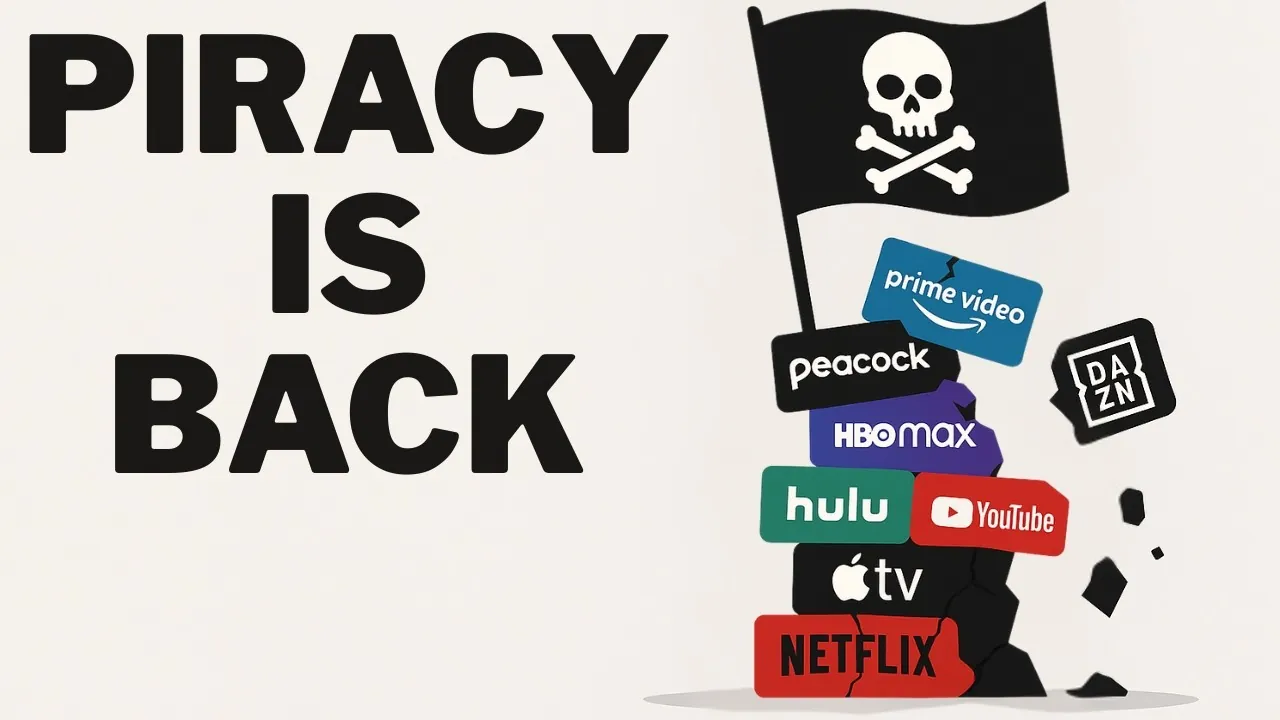
What happened to the promise of streaming? Once hailed as the ultimate solution to cable’s chaos, streaming platforms offered a golden age of affordable, centralized entertainment. But today, that dream feels more like a distant memory. With subscription costs soaring, content scattered across countless services, and restrictive policies alienating loyal users, the cracks in the streaming empire have become impossible to ignore. And as frustration grows, so does the return of an old nemesis: piracy. In 2024 alone, piracy platforms saw over 216 billion visits, a staggering 66% increase from just four years prior. The message is clear, consumers are fed up, and they’re voting with their clicks.
Money Legends explores how the streaming industry’s missteps have paved the way for piracy’s resurgence. You’ll discover why the once-innovative model of on-demand entertainment has faltered and how modern piracy platforms have evolved to rival their legal counterparts. From the economic consequences facing streaming giants to the lessons they must learn to survive, this analysis dives deep into the forces reshaping the entertainment landscape. As the battle for viewers intensifies, one question looms large: can streaming recover, or has the war already been lost?
Streaming’s Piracy Problem
TL;DR Key Takeaways :
- The streaming industry’s rising subscription costs, fragmented content, and restrictive policies have driven many consumers back to piracy, posing a significant threat to the sector.
- The “Golden Age of Streaming” was characterized by affordability, centralized content, and user satisfaction, but these qualities have eroded over time due to industry changes.
- Key issues include price hikes, content fragmentation, password-sharing restrictions, and content removal, which have alienated users and undermined trust.
- Piracy platforms have evolved, offering free access, user-friendly interfaces, and no geographic restrictions, leading to a 66% increase in piracy visits since 2020.
- Streaming platforms face projected annual losses of $13 billion by 2027 due to piracy and declining subscribers, highlighting the need to prioritize affordability, convenience, and consumer trust to remain competitive.
The Golden Age of Streaming
In its early years, the streaming industry transformed entertainment consumption. Platforms like Netflix, Hulu, and Amazon Prime Video gained massive popularity during the 2010s by offering affordable, centralized access to extensive libraries of movies and TV shows. The convenience of on-demand streaming, combined with competitive pricing, significantly reduced piracy rates. Consumers embraced the simplicity of paying for a single subscription that provided most of their entertainment needs, eliminating the risks and hassles associated with illegal downloads.
This era, often referred to as the “Golden Age of Streaming,” was defined by its focus on user satisfaction. Streaming platforms thrived by offering a seamless, cost-effective alternative to traditional cable and illegal content-sharing sites. However, this success was not destined to last, as the industry began to shift its priorities.
What Went Wrong?
Over time, the streaming landscape has undergone dramatic changes, leaving many consumers disillusioned. Several key factors have contributed to this growing dissatisfaction:
- Rising Subscription Costs: Streaming platforms such as Netflix, Disney+, and HBO Max have steadily increased their prices, with some introducing premium tiers for additional features like ad-free viewing or higher-quality streams. These price hikes have made it challenging for many users to justify maintaining multiple subscriptions.
- Content Fragmentation: The once-centralized nature of streaming has given way to a fragmented ecosystem. Popular shows and movies are now scattered across numerous platforms, forcing consumers to subscribe to multiple services to access their favorite content. This fragmentation has undermined the convenience that initially defined streaming.
- Password-Sharing Restrictions: In an effort to curb account sharing, companies like Netflix have implemented strict policies, including additional fees for shared accounts. These measures have alienated users who relied on shared subscriptions to manage costs, further eroding goodwill.
- Content Removal: To cut costs, many platforms have removed popular shows and movies from their libraries, leaving subscribers feeling shortchanged. This practice has frustrated users who expect consistent access to the content they pay for.
These developments have collectively undermined the affordability and convenience that once made streaming so appealing. As a result, many consumers are seeking alternatives, with piracy emerging as a prominent option.
Piracy is Back : The Streaming War is Over

Advance your skills in Streaming services by reading more of our detailed content.
- Microsoft Is Buying Beam An Interactive Live Streaming Service
- Stargate Origins Series And Stargate Command Streaming Service
- Amazon Adds Apple TV to Prime Video Streaming Service
- Boomerang Cartoon Streaming Service Launching Soon From $5 A
- Wii Netflix Streaming Service Removes The Need For Disk
- Disney Ends Partnership With Netflix To Launch Its Own Streaming
- Disney+ streaming service will be available on these devices
- YouTube Launches YouTube Live Streaming Service
- Rdio Music Streaming Service Now Free On The Web
- Amazon Instant Streaming Arrives On Xbox 360 Consoles (video)
The Return of Piracy
As streaming platforms struggle to meet consumer expectations, piracy has reemerged as a viable alternative for many users. Modern piracy platforms have evolved significantly, offering features that rival, and in some cases surpass, those of legal streaming services. These platforms attract users by providing:
- Free Access: Piracy sites offer a vast array of content at no cost, making them an attractive option for budget-conscious consumers.
- User-Friendly Interfaces: Many piracy platforms now feature intuitive designs and instant streaming capabilities, mimicking the functionality of legitimate services.
- No Geographic Restrictions: Unlike legal platforms, piracy sites do not impose regional restrictions or remove content due to licensing agreements, making sure consistent access to a wide range of media.
The appeal of these features is particularly strong among younger generations, who are more tech-savvy and less willing to pay for fragmented, expensive streaming services. In 2024 alone, piracy platforms recorded over 216 billion visits, representing a 66% increase compared to 2020. This surge highlights the growing frustration with the perceived greed and inflexibility of streaming companies.
Economic Consequences for the Industry
The financial impact of piracy on the streaming industry is profound. By 2027, streaming platforms are projected to lose $13 billion annually due to piracy and declining subscriber numbers. Major players such as Disney and Warner Bros. Discovery have already reported significant financial losses, underscoring the urgency of addressing this issue.
The rise of piracy also reflects a broader failure within the industry to adapt to changing consumer needs. Short-term strategies focused on maximizing profits, such as price hikes and restrictive policies, have alienated users and created a competitive threat that cannot be ignored. If left unchecked, piracy could further destabilize an industry already facing mounting challenges.
Lessons for Streaming Platforms
The resurgence of piracy offers valuable lessons for the streaming industry. To regain consumer trust and remain competitive, platforms must address the root causes of user dissatisfaction. Key takeaways include:
- Affordability is Crucial: Competitive pricing remains a cornerstone of user retention. Platforms must find ways to offer affordable subscription options without compromising the quality of their services.
- Convenience Drives Loyalty: Centralized access to diverse content was a major draw for early streaming platforms. Recreating this convenience should be a priority to win back disillusioned users.
- Trust Must Be Rebuilt: Restrictive policies, such as password-sharing fees and sudden content removals, have damaged consumer trust. Platforms must prioritize transparency and user satisfaction to rebuild loyalty.
While short-term profit-driven decisions may provide immediate financial gains, they risk long-term consequences if they fail to address the needs and expectations of consumers. The industry must strike a balance between profitability and user satisfaction to ensure its sustainability.
The Path Forward
The streaming industry’s early success was built on a foundation of convenience, affordability, and trust. However, rising costs, fragmented content, and restrictive policies have driven many consumers back to piracy. To remain viable in an increasingly competitive landscape, streaming platforms must rethink their strategies and prioritize the needs of their users. By addressing affordability, convenience, and trust, the industry can regain its footing and reduce the appeal of piracy. The choice is clear: adapt to consumer demands or risk further financial losses and a continued decline in loyalty.
Media Credit: Money Legends
Disclosure: Some of our articles include affiliate links. If you buy something through one of these links, Geeky Gadgets may earn an affiliate commission. Learn about our Disclosure Policy.
