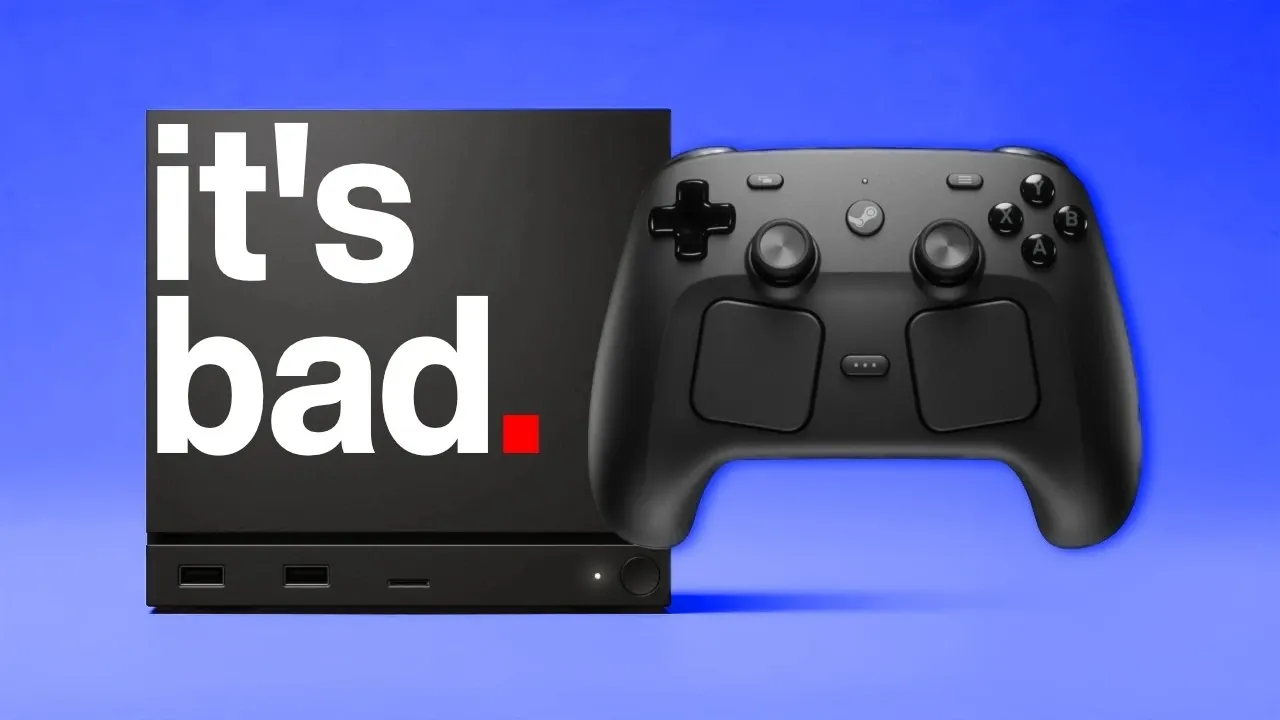
The Valve Steam Machine, once a promising mid-range gaming PC option, is now facing significant pricing challenges due to the rising demand for AI technologies. As highlighted by Sam.Alexander.Reviews, the increasing competition for critical components like DDR5 RAM and GPUs has led to substantial cost hikes, pushing the Steam Machine’s price well beyond its original $800–$1,000 target range. For instance, DDR5 RAM prices have tripled since their introduction, driven by their widespread use in AI data centers, which has left gaming hardware struggling to compete for supply. These shifts are reshaping the gaming hardware market, making affordability a growing concern for gamers.
Dive into this feature to understand how these trends are impacting gamers and what it means for the future of gaming hardware. You’ll gain insight into the specific components driving up costs, such as high-capacity SSDs and advanced GPUs and how supply chain disruptions are compounding these issues. Additionally, discover practical strategies for navigating these challenges, from extending the lifespan of your current hardware to exploring alternative gaming platforms. This breakdown offers a clear look at the evolving intersection of AI and gaming, equipping you with the knowledge to adapt effectively.
How AI Is Reshaping Hardware Costs
TL;DR Key Takeaways :
- The Valve Steam Machine faces rising production costs due to increased demand for AI technologies, impacting its affordability as a gaming PC alternative.
- Key components like GPUs, DDR5 RAM and SSDs have seen significant price hikes as manufacturers prioritize AI markets over gaming hardware.
- DDR5 RAM and high-capacity SSDs are major cost drivers, with DDR5 prices tripling and storage costs surging due to AI-driven demand.
- Valve’s initial pricing strategy for the Steam Machine ($800-$1,000) is under threat, with production costs potentially pushing retail prices above $1,200.
- Gamers face broader challenges in the PC gaming market, including fewer affordable options and supply chain disruptions, requiring strategic planning to manage costs effectively.
The rapid expansion of AI has fundamentally altered the tech industry, with enterprises and hyperscalers investing heavily in AI infrastructure. This surge in demand has created a ripple effect across the hardware supply chain, particularly for critical components like GPUs, DDR5 RAM and SSD storage. Manufacturers are increasingly prioritizing AI markets, where profit margins are higher, leaving gaming hardware with reduced supply and inflated prices.
For example, GPUs, essential for both gaming and AI workloads, have experienced significant price increases as companies like Nvidia allocate more resources to AI-specific products. Similarly, DDR5 RAM, a cornerstone of modern gaming PCs, is in short supply due to its widespread adoption in AI data centers. This competition between enterprise buyers and gamers for the same hardware has driven up costs across the board, making it more difficult for gaming enthusiasts to access affordable components.
DDR5 RAM and SSDs: The Biggest Cost Drivers
DDR5 RAM has emerged as one of the most significant cost drivers in gaming hardware. Since its introduction, the price of DDR5 has tripled, making it one of the most expensive components in a gaming PC. The Steam Machine, which relies on DDR5 for optimal performance, has been particularly affected by these price hikes. This has forced Valve to reconsider its pricing strategy, as the rising cost of memory directly impacts the affordability of the system.
Storage costs have also surged, with high-capacity SSDs becoming increasingly expensive. These drives are essential for gaming systems, offering the speed and capacity needed to handle modern games. However, the growing demand for SSDs in AI applications has further strained supply chains, driving up prices. This dual pressure from rising RAM and storage costs has made it challenging for Valve to maintain the Steam Machine within its original price range, potentially alienating its target audience.

Here are more guides from our previous articles and guides related to Steam Machine that you may find helpful.
- Steam Machine : Early 2026 Release Date, Prices, Specs & OS Features
- Steam Machine Pricing Tipped at $600 to $650 with Supply Tight
- Steam Machine Pricing Outlook, Early 2026 Release Window
- Worlds Smallest DIY Steam Machine : Ryzen 7840U for Steady 1080p Play
- Steam Machine Update : Pricing Delays & What Valve Can Do Next
- Steam Machine HDMI 2.1 Limits, Valve and AMD Fixes Explained
- Steam Machine 2026 Launch Plan Amid Component Shortages
- New Steam Machine Accessories : Plus GeForce Now App for Linux
- Steam Machine Price : Why Valve Set the Tag at $1,000 in 2026
- Steam Machine Price Forecast Rises to $750–$800 Range
Steam Machine Pricing and Supply Chain Hurdles
Valve initially positioned the Steam Machine as a mid-range gaming PC, targeting a price range of $800 to $1,000. However, escalating component costs have pushed production expenses higher, with estimates suggesting the final retail price could exceed $1,200. This price increase risks deterring potential buyers, particularly those seeking affordable gaming solutions. The Steam Machine’s appeal as a budget-friendly alternative is being undermined by these rising costs, forcing gamers to explore other options.
Compounding the issue are ongoing supply chain disruptions. The global semiconductor shortage, exacerbated by AI-driven demand, has caused delays in component availability. These disruptions have not only increased production costs but also introduced the possibility of postponed release dates for the Steam Machine. Such delays could further complicate Valve’s efforts to establish the Steam Machine as a competitive option in the gaming market.
Wider Market Trends and Gamer Impacts
The challenges facing the Steam Machine reflect broader trends in the PC gaming market. Companies like Nvidia and Micron are increasingly shifting their focus toward AI markets, reducing investment in consumer gaming hardware. This shift has left gamers with fewer options and higher prices, as manufacturers prioritize enterprise customers over individual consumers. The result is a gaming hardware market where affordability and availability are no longer guaranteed.
For gamers, this evolving landscape presents new challenges. Building or upgrading a gaming PC now requires careful planning and a willingness to adapt to changing market conditions. The rising costs of components like GPUs, RAM and SSDs mean that gamers must explore alternative strategies to maintain their gaming experience without exceeding their budgets.
How You Can Adapt as a Gamer
Despite these challenges, there are practical steps you can take to optimize your gaming experience while managing costs effectively:
- Extend the lifespan of your current hardware: Regular maintenance, such as cleaning your system, updating drivers and optimizing software settings, can improve performance and delay the need for costly upgrades.
- Explore the secondary market: Purchasing used or refurbished components can be a cost-effective solution. Ensure you verify the condition, compatibility and reliability of used parts before making a purchase.
- Plan purchases strategically: Stay informed about market trends, monitor price fluctuations and take advantage of seasonal sales, discounts, or bundle deals to save on hardware costs.
- Consider alternative gaming platforms: Cloud gaming services or gaming consoles may offer a more affordable option for those unable to invest in high-end gaming PCs.
By understanding these market trends and adapting your approach, you can navigate the challenges of rising hardware costs and continue to enjoy gaming without overspending. The Steam Machine’s pricing struggles underscore the broader shifts in the industry, but with careful planning and resourcefulness, you can make the most of your gaming experience in this evolving landscape.
Media Credit: Sam.Alexander.Reviews
Disclosure: Some of our articles include affiliate links. If you buy something through one of these links, Geeky Gadgets may earn an affiliate commission. Learn about our Disclosure Policy.
