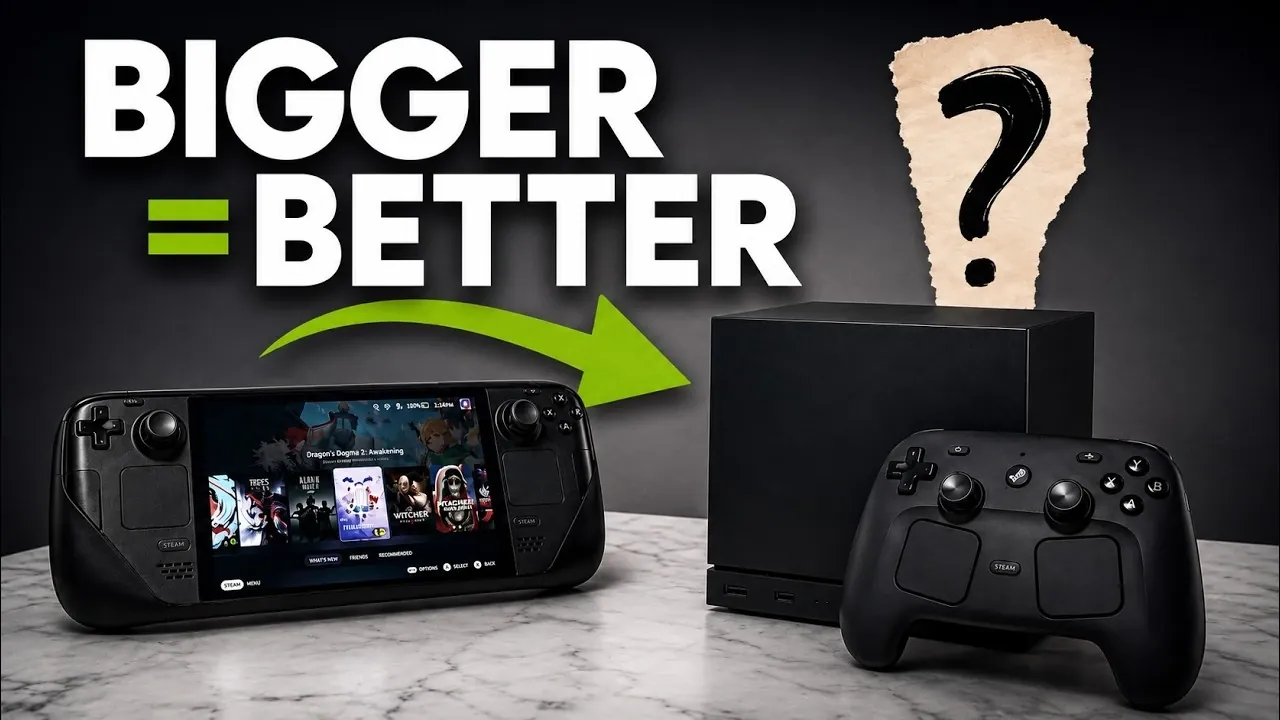
Valve’s Steam Deck and Steam Machine represent two different approaches to gaming, each with its own strengths. In a recent breakdown by PlayFever, Steam Deck games were tested on the Steam Machine to evaluate performance differences. For instance, graphically intensive titles like Star Wars Jedi: Fallen Order demonstrated the Steam Machine’s capacity for higher visual fidelity, while the Steam Deck prioritized portability and accessibility for casual play.
Discover how these systems perform with a variety of game genres, including open-world adventures and fast-paced multiplayer experiences. Gain insight into specific features like the Steam Deck’s ergonomic controls for mobile gaming and the Steam Machine’s ability to handle demanding graphics. This breakdown also examines how Valve’s ecosystem supports compatibility between the two devices, offering flexibility for different gaming preferences.
Deck vs Machine
TL;DR Key Takeaways :
- The Steam Deck prioritizes portability and ease of access, making it ideal for gaming on the go with its compact design and intuitive controls.
- The Steam Machine focuses on performance and immersion, offering superior graphics, higher frame rates and compatibility with larger screens for a cinematic gaming experience.
- Both devices cater to different gaming styles: the Steam Deck excels in quick, portable sessions, while the Steam Machine is better suited for immersive, home-based gameplay.
- Valve’s ecosystem enables seamless integration between the Steam Deck and Steam Machine, allowing shared game libraries and synchronized saves for flexible gaming setups.
- Choosing between the two devices depends on your preferences: portability and convenience with the Steam Deck, or high-performance visuals and immersion with the Steam Machine.
Why Choose the Steam Deck?
The Steam Deck is designed for gamers who prioritize portability and ease of access. Its compact form factor and intuitive controls make it an excellent choice for gaming on the go. Whether you’re commuting, traveling, or relaxing at home, the Steam Deck allows you to seamlessly dive into your favorite games without the need for a traditional gaming setup.
Key features that set the Steam Deck apart include:
- Portability: Its lightweight design and smaller screen make it ideal for quick gaming sessions, whether you’re on a train or waiting at a café.
- Responsive Gameplay: Games like Fading Echo run smoothly, allowing you to complete objectives efficiently without sacrificing performance.
- Versatility Across Genres: From expansive RPGs like The Witcher 3 to fast-paced multiplayer games, the Steam Deck handles a wide variety of titles with ease.
However, the Steam Deck’s portability comes with some compromises. The smaller screen size and slightly reduced graphical fidelity may be noticeable in visually demanding games, especially when compared to the Steam Machine’s capabilities.
Why Choose the Steam Machine?
The Steam Machine, in contrast, is built for gamers who prioritize performance and immersion. Designed for extended gaming sessions, it delivers superior graphics, higher frame rates and compatibility with larger screens. This makes it the ideal choice for players seeking a cinematic and visually rich gaming experience.
Here’s what makes the Steam Machine stand out:
- Enhanced Graphics: Titles like Hunt: Showdown 1896 benefit from improved draw distances and sharper visuals, providing a tactical edge in competitive gameplay.
- Immersive Gameplay: Games such as Star Wars Jedi: Fallen Order transform into cinematic experiences, thanks to the Steam Machine’s ability to render intricate details on larger displays.
- Optimized for Exploration: Open-world games like Dragon Swords Awakening feel more rewarding, as the Steam Machine brings the environment’s finer details to life.
While the Steam Machine excels in delivering high-quality visuals and immersive gameplay, it lacks the portability of the Steam Deck. As a result, it is better suited for home use, where its performance capabilities can truly shine.

Browse through more resources below from our in-depth content covering more areas on Steam Deck.
- Valve Sees 82% Drop in Steam Deck Sales Amid Price Hikes
- Why Gamers Are Abandoning the Steam Deck OLED After Its Massive Price Hike
- Why Gamers Are Skipping the Steam Deck OLED for This $450 Handheld
- Why Valve’s Latest SteamOS Update Changes Everything for Your Steam Machine
- Steam Deck Alternative: Legion Go S Packs Ryzen Z2 Go for $550 on Used Market
- Valve Delays Steam Machine and Raises Steam Deck Prices
- Steam Deck Updates : PS3 Emulation Upgrades Gains & New Releases
- ROG Ally Offers a $599 Alternative to the Steam Deck OLED
- What the Xbox and Valve Partnership Means for Steam Deck Performance
- Valve Brings Steam Deck Style Verification to Steam Machine Games Consoles
Game Performance: A Side-by-Side Comparison
To understand how these devices perform in real-world scenarios, let’s examine their handling of popular games. Each device offers unique advantages depending on the game and the player’s preferences.
- Fading Echo: The Steam Deck’s portability makes it perfect for quick gaming sessions, while the Steam Machine’s enhanced graphics amplify the game’s atmospheric environments.
- Hunt: Showdown 1896: The Steam Machine’s larger screen and superior draw distance provide a tactical advantage in this competitive multiplayer title.
- Dragon Swords Awakening: Both devices handle this open-world game well, but the Steam Machine’s detailed visuals make exploration more engaging and immersive.
- The Witcher 3: Grinding quests on the Steam Deck is efficient and convenient, but the Steam Machine’s cinematic quality improves the storytelling experience.
- Star Wars Jedi: Fallen Order: While the Steam Deck offers smooth and responsive gameplay, the Steam Machine enhances the game’s cinematic elements, making it a more visually captivating experience.
These comparisons highlight how the Steam Deck and Steam Machine cater to different gaming styles. Whether you prefer quick, portable gaming sessions or immersive, high-performance gameplay, each device offers distinct advantages.
How the Devices Work Together
Valve’s ecosystem is designed to provide gamers with flexibility and seamless integration. The Steam Deck and Steam Machine are not competitors but complementary devices that work together to enhance your gaming experience. Shared game libraries and save synchronization technology allow you to switch between devices effortlessly. For instance, you can start a game on the Steam Deck during your commute and continue it on the Steam Machine at home, enjoying the best of both worlds.
This interoperability reflects Valve’s commitment to creating a unified gaming ecosystem. By offering devices that excel in different scenarios, Valve ensures that players can adapt their gaming setups to suit their lifestyles without compromising on quality or convenience.
Choosing the Right Device for Your Needs
The Steam Deck and Steam Machine are integral components of Valve’s cohesive gaming ecosystem, each offering unique strengths to meet diverse player preferences. If you value portability and quick access to games, the Steam Deck is an excellent choice. On the other hand, if you prioritize immersive visuals and high-performance gameplay, the Steam Machine is the better option.
By using the strengths of both devices, you can create a flexible and comprehensive gaming setup that adapts to your needs. Whether you’re gaming on the go or settling in for an extended session at home, Valve’s ecosystem ensures that you can enjoy your favorite titles in the way that best suits your lifestyle.
Media Credit: PlayFever
Disclosure: Some of our articles include affiliate links. If you buy something through one of these links, Geeky Gadgets may earn an affiliate commission. Learn about our Disclosure Policy.
