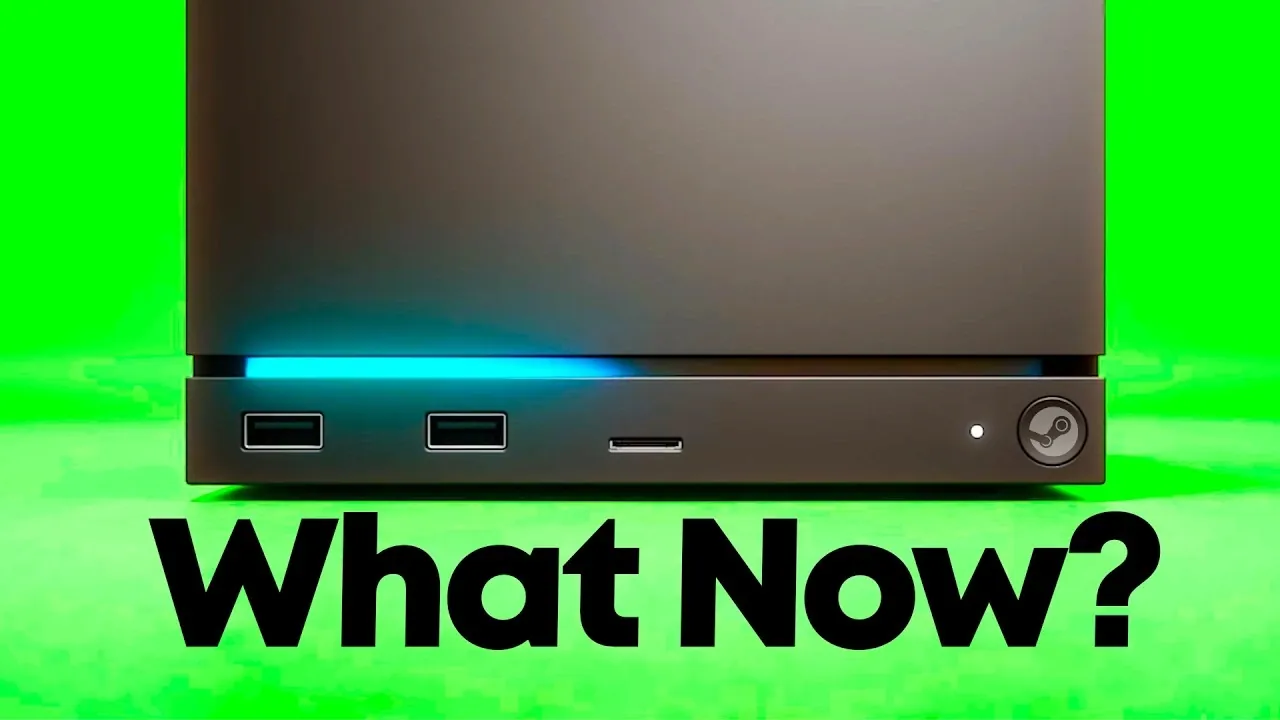
The gaming industry is facing a growing challenge as rising game prices collide with increasing player expectations. With many new titles now costing $70, players are calling for better optimization and performance, especially on devices like the Steam Deck. According to Deck Ready, frameworks such as Unreal Engine 5 are playing a pivotal role in helping developers achieve a balance between high-quality visuals and smooth gameplay. Companies like Xbox and Valve are also adapting by focusing on cross-platform compatibility to meet these demands.
Explore the strategies shaping these shifts, including the effects of digital-only gaming trends and the technical demands of handheld devices. Learn how Xbox’s partnership with Valve is influencing accessibility and performance standards and examine the challenges posed by the decline of physical gaming. This deep dive provides a focused look at the forces driving change in the gaming landscape.
Why Game Optimization Matters More Than Ever
TL;DR Key Takeaways :
- Gamers are increasingly dissatisfied with paying premium prices for poorly optimized games, especially on devices like the Steam Deck, prompting industry leaders to prioritize performance and cross-platform compatibility.
- Advanced tools like Unreal Engine 5 are allowing developers to create visually stunning and efficient games, with a focus on seamless performance across platforms, including handheld devices.
- The collaboration between Xbox and Valve is driving improvements in game optimization and cross-platform compatibility, enhancing the gaming experience across consoles, PCs and handheld systems.
- Valve’s move to discontinue physical Steam gift cards reflects the industry’s shift toward a digital-only future, raising concerns about accessibility for players without reliable internet access.
- The gaming industry’s focus on optimization, digital distribution and inclusivity is creating opportunities for both indie developers and players, while addressing the challenges of transitioning away from physical gaming formats.
As game prices increase, so do player expectations for quality and performance. However, many gamers feel disappointed by releases that fail to deliver smooth gameplay, especially on newer and more portable platforms. Poor optimization not only frustrates players but also damages the reputation of developers and publishers, creating a ripple effect across the industry.
To tackle these challenges, tools like Unreal Engine 5 are allowing developers to create games that are both visually stunning and efficient. This is particularly evident in titles optimized for the Steam Deck, a handheld gaming device that has gained popularity for its portability and performance. By using advanced development tools, studios are beginning to meet the demand for games that run seamlessly across a variety of platforms.
Xbox has also made significant progress in improving optimization. By prioritizing cross-platform compatibility, including features like seamless save transfers and support for handheld devices, Xbox is setting a new benchmark for performance. These efforts reflect a broader industry trend toward prioritizing player experience over rushed releases, making sure that games meet the high expectations of modern audiences.
Xbox and Valve: A Partnership for Better Gaming
The collaboration between Xbox and Valve represents a crucial step forward in delivering better gaming experiences. By working together, these two industry leaders are making sure that games perform well on Steam, one of the largest PC gaming platforms. Xbox has also emphasized its commitment to supporting the Steam Deck, further solidifying its presence in the handheld gaming market.
This partnership highlights the growing importance of cross-platform compatibility. By aligning their goals, Xbox and Valve are not only improving game optimization but also fostering a more inclusive gaming ecosystem. This collaboration benefits players by providing smoother experiences across devices, whether they’re gaming on a console, PC, or handheld system. The combined efforts of these companies are setting a new standard for quality and accessibility in the gaming world.

Here is a selection of other guides from our extensive library of content you may find of interest on Steam Deck.
- 15 Games That Play Surprisingly Perfectly on the Steam Deck
- Valve Confirms Steam Deck 2 Development with a 2028 Release Target
- Steam Deck Updates : PS3 Emulation Upgrades Gains & New Releases
- Steam Data Reveals the $30 “Sweet Spot” is Beating $70 AAA Games
- How to Quadruple Your Steam Deck’s FPS With One Simple Plugin
- Why Lossless Scaling is a Game-Changer for Retro Emulation on Steam Deck & Handhelds
- Valve Steam Machine Update: RAM Supply Stabilizes as Unified Deck Software Expands
- Steam Deck Restocks Resume After Valve Fixes RAM Supply
- Don’t Wait for Valve: Build Your Own Steam Machine in 2026
- Why Gamers Are Abandoning the Steam Deck OLED After Its Massive Price Hike
The End of Physical Steam Gift Cards: A Digital-Only Future
Valve’s decision to discontinue physical Steam gift cards marks another step toward a digital-only gaming landscape. While digital gift cards remain available, the removal of physical options has sparked nostalgia among gamers who valued them as collectible items or convenient gifts for less tech-savvy users.
The decision was largely driven by widespread scamming issues, which made physical cards a liability. However, it also raises concerns about accessibility. For players without reliable internet access, physical gift cards provided a straightforward way to engage with digital gaming. As the industry continues its shift toward digital platforms, addressing these accessibility challenges will be crucial to making sure inclusivity. Companies must find ways to bridge the gap for players who may be left behind in this transition.
Summer GameFest: A Showcase of Optimization
This year’s Summer GameFest served as a platform to highlight the industry’s commitment to optimization, particularly for the Steam Deck. Indie developers took center stage, showcasing titles like Erosion, Valor Mortise, and Alien Isolation 2. These games demonstrated impressive performance on the handheld device, showcasing the potential of advanced tools like Unreal Engine 5 to deliver high-quality experiences across platforms.
The event also reinforced the importance of supporting the Steam Deck as a viable gaming platform. With more developers prioritizing optimization for the device, players can look forward to a growing library of games that fully use its capabilities. This focus on handheld gaming reflects a broader industry trend toward meeting the needs of a diverse and mobile audience. By emphasizing performance and accessibility, the gaming industry is taking steps to ensure that players can enjoy seamless experiences, regardless of their preferred platform.
The Digital Shift and the Decline of Physical Gaming
The gaming industry is increasingly moving toward a digital-only model, with physical elements like discs, gift cards and even consoles becoming less common. This shift offers several advantages, including convenience, reduced production costs and faster distribution. However, it also presents challenges, particularly for players who prefer tangible products or lack access to reliable digital infrastructure.
At the same time, the emphasis on optimization and cross-platform compatibility is a positive development. Companies like Xbox and Valve are setting new standards for quality and accessibility by integrating hardware and software more effectively. This trend is especially encouraging for indie developers, who now have the tools and platforms to compete with larger studios. By focusing on inclusivity and innovation, the industry is creating opportunities for a broader range of players and developers alike.
The transition to digital gaming is not without its hurdles, but it also opens the door to new possibilities. As the industry continues to evolve, addressing the needs of all players, whether they prefer physical or digital formats, will be essential to maintaining a thriving and inclusive gaming ecosystem.
Media Credit: Deck Ready
Disclosure: Some of our articles include affiliate links. If you buy something through one of these links, Geeky Gadgets may earn an affiliate commission. Learn about our Disclosure Policy.
