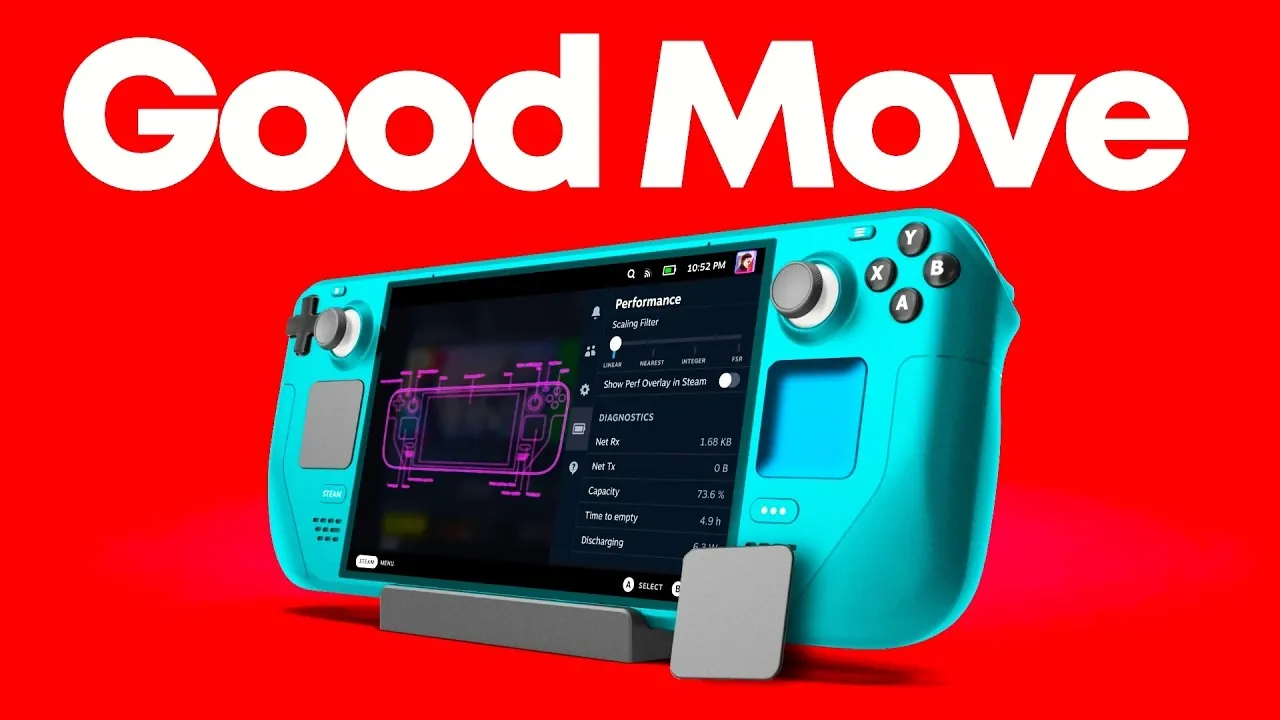
What if you could carry the power of a high-performance gaming PC in your hands? The Steam Deck has turned that dream into reality, redefining what handheld gaming can achieve. In this walkthrough, Deck Ready shows how Valve’s ambitious device is not just a portable gaming console but a platform that bridges the gap between PC and console gaming. With its unmatched versatility and growing library of optimized games, the Steam Deck is quickly becoming a favorite among gamers and developers alike. But what makes this device stand out in an increasingly crowded market? And how is it shaping the future of gaming as we know it?
This guide will explore the Steam Deck’s unique ability to deliver AAA gaming on the go, its appeal to developers, and the innovations that set it apart from competitors like the Nintendo Switch 2 and ROG Ally. You’ll discover how its open platform encourages creativity, why developers are flocking to optimize their games for it, and what upcoming features, like GOG’s native Linux app, mean for its future. Whether you’re a gamer curious about its performance or a developer intrigued by its potential, the Steam Deck offers more than just portability; it represents a shift in how we experience gaming. So, what does this evolution mean for the industry and for you?
Steam Deck’s Gaming Revolution
TL;DR Key Takeaways :
- The Steam Deck has transformed handheld gaming by combining portability, performance, and versatility, appealing to both gamers and developers while bridging the gap between PC and console gaming.
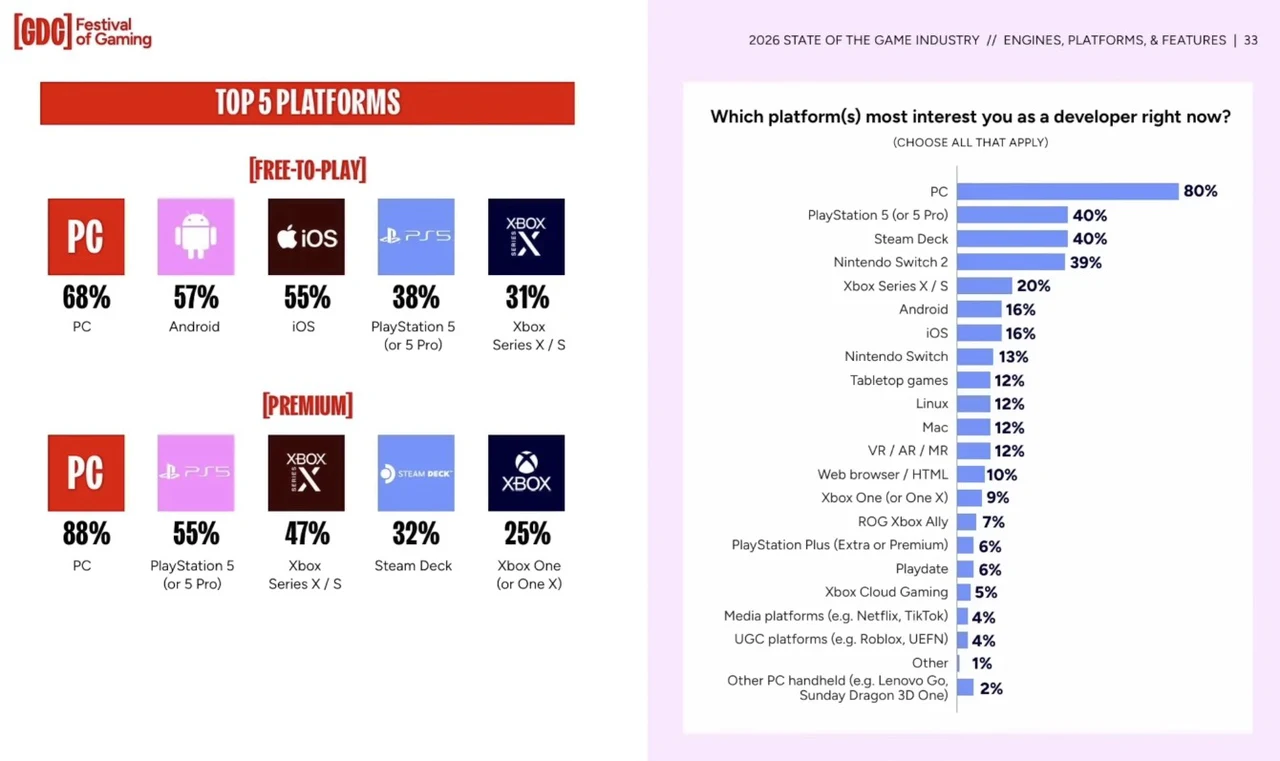
- Developer interest in the Steam Deck is strong, with 40% of surveyed developers expressing interest in creating games for the platform, matching the PlayStation 5 and surpassing competitors like the ROG Ally.
- The upcoming launch of GOG’s native Linux app will expand the Steam Deck’s game library, enhancing compatibility and providing access to a broader range of DRM-free titles.
- The Steam Deck’s most-played games, including Baldur’s Gate 3, Hades 2, and Stardew Valley, highlight its ability to deliver diverse gaming experiences, from indie hits to AAA blockbusters.
- With strong developer and user engagement, the Steam Deck is positioned as a sustainable and competitive platform in the gaming market, supported by its adaptability and growing library of optimized games.
The device’s ability to bridge the gap between PC and console gaming has made it a standout choice for gamers who value flexibility without compromising on quality. As the gaming industry evolves, the Steam Deck is positioned as a platform that not only meets current demands but also anticipates future trends.
Why Developers Are Flocking to the Steam Deck
Developer interest in the Steam Deck continues to grow at an impressive rate. At the recent Game Developers Conference, 40% of surveyed developers expressed interest in creating games for the platform, matching the interest levels seen for the PlayStation 5 and PS5 Pro. Currently, 30% of developers are actively working on projects for the Steam Deck, with an additional 10% planning to prioritize it in the near future. These figures underscore the platform’s rising appeal as a preferred choice for game optimization.
The Steam Deck’s dedicated and highly engaged user base plays a crucial role in this trend. Developers are motivated to ensure their games run seamlessly on the device, knowing that the community values performance and compatibility. Recent titles like Baldur’s Gate 3 and Hades 2 have been specifically optimized for the Steam Deck, showcasing its ability to deliver an enhanced gaming experience. This optimization not only benefits players but also reinforces the platform’s reputation as a reliable and versatile gaming solution.
Moreover, the Steam Deck’s compatibility with a wide range of game engines and its support for Linux-based systems make it an attractive option for developers seeking to reach a broader audience. The platform’s open nature encourages innovation and experimentation, further solidifying its position in the gaming ecosystem.
How the Steam Deck Stacks Up Against Competitors
In a market crowded with handheld and traditional gaming platforms, the Steam Deck holds its own by offering a unique combination of features that appeal to both casual and hardcore gamers. Developer interest provides a clear indicator of the platform’s competitive standing:
- The Nintendo Switch 2, a highly anticipated successor to the original Switch, garnered 39% developer interest, slightly trailing the Steam Deck’s 40%.
- The ROG Ally, another handheld competitor, struggled to gain traction, with only 7% of developers expressing interest in creating games for it.
While the Steam Deck may not yet rival the hardware sales of consoles like the Nintendo Switch or PlayStation 5, its strong game sales and enthusiastic developer support make it a sustainable and competitive platform. Its focus on portability, performance, and a robust game library gives it a distinct edge, particularly among gamers who value the ability to play high-quality games on the go.
The Steam Deck’s ability to run a wide variety of games, from indie titles to AAA blockbusters, further enhances its appeal. Unlike some competitors, it offers a level of flexibility and customization that resonates with PC gamers while maintaining the convenience of a handheld device. This balance of features ensures that the Steam Deck remains a compelling choice in the ever-evolving gaming market.
Valve’s Steam Deck Plan

Check out more relevant guides from our extensive collection on Steam Deck that you might find useful.
- Official Steam Deck Docking Station launches
- New Steam Deck dock and accessories from JSAUX
- Steam Deck developer kits ready to ship confirms Valve
- Valve Steam Deck games console specifications
- Valve Steam Deck in-depth teardown
- Steam Deck replacement parts now in stock at iFixit
- Steam Deck Windows drivers made available by Valve
- 7 Reasons Why You Should Buy a Steam Deck OLED
- How to upgrade Valve’s Steam Deck RAM to 32GB
- ROG Xbox Ally Bazzite OS Linux vs Steam Deck : Gaming Compared
GOG’s Native Linux App: Expanding the Steam Deck’s Potential
One of the most promising developments for the Steam Deck is the upcoming launch of GOG’s native Linux app. This initiative is set to improve compatibility with Linux-based systems, including the Steam Deck, and provide users with easier access to GOG’s extensive library of DRM-free games. For gamers, this means a broader selection of titles, particularly older, optimized games that align well with the Steam Deck’s capabilities.
The introduction of GOG’s Linux app is expected to enhance the Steam Deck’s versatility, making it an even more attractive option for gamers who value access to a diverse range of games. However, GOG’s use of AI-generated art in some games has sparked debate within the gaming community. While AI art offers efficiency and cost savings, critics argue that it may compromise creativity and authenticity. Despite this controversy, the collaboration between GOG and the Steam Deck is likely to benefit both platforms, expanding their reach and appeal to a wider audience.
This development also highlights the Steam Deck’s commitment to fostering partnerships that enhance the user experience. By supporting initiatives like GOG’s Linux app, the platform continues to demonstrate its adaptability and forward-thinking approach to gaming.
What Gamers Are Playing on the Steam Deck
The Steam Deck’s versatility is reflected in its most-played games, which cater to a wide range of preferences and gaming styles. In January, the top titles included:
- Stardew Valley
- Baldur’s Gate 3
- Hades 2
- Fallout 4
- Slay the Spire
These games, spanning indie hits to AAA blockbusters, highlight the platform’s ability to deliver diverse gaming experiences. Other popular titles, such as Cult of the Lamb and Mega Ball, further demonstrate the Steam Deck’s appeal to both casual and hardcore gamers. This mix of new releases and timeless classics ensures that the platform remains relevant to a broad audience.
The Steam Deck’s ability to handle a wide variety of games, from graphically intensive titles to simpler, more casual experiences, underscores its versatility. This adaptability is a key factor in its growing popularity, as it allows gamers to enjoy their favorite titles in a portable format without sacrificing quality or performance.
The Road Ahead for the Steam Deck
The Steam Deck’s future appears promising, supported by strong developer and user engagement. As new hardware innovations like the Steam Machine and Steam Frame emerge, the Steam Deck’s established presence and growing library of optimized games position it as a lasting contender in the gaming market.
Its ability to foster a vibrant community and attract developer interest ensures its continued success. Whether you’re a gamer seeking a portable, high-performance device or a developer looking for a platform with an engaged and passionate user base, the Steam Deck offers a compelling solution in the dynamic and ever-evolving gaming industry.
Media Credit: Deck Ready
Disclosure: Some of our articles include affiliate links. If you buy something through one of these links, Geeky Gadgets may earn an affiliate commission. Learn about our Disclosure Policy.
