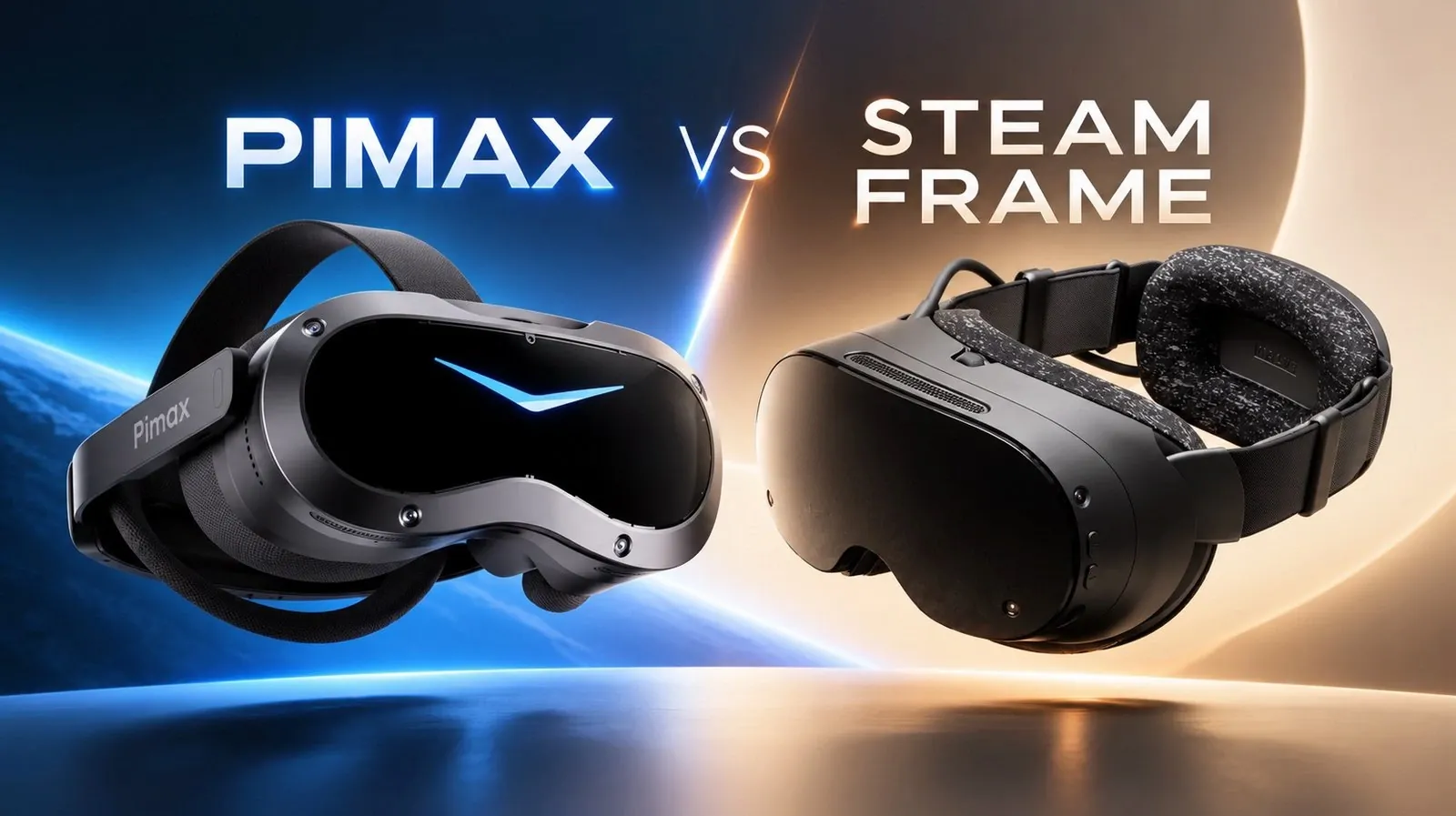
The Pimax Crystal Pro is a high-end virtual reality headset priced at $1,399, aiming to compete with Valve’s Steam Frame. According to Joshua Keith, the Crystal Pro features 2880×2880 QLED panels per eye with miniLED local dimming, Wi-Fi 6E for wireless PC VR streaming and optional lighthouse tracking for legacy setups. Despite these specifications, its reliance on the older Snapdragon XR2 Gen 1 chipset and a bulky external battery design raises concerns about comfort and practicality, especially given its premium price.
Discover how the Crystal Pro’s hardware choices and ecosystem constraints affect its usability and appeal, particularly in comparison to the Steam Frame. Learn about the financial and functional trade-offs of optional upgrades like the $599 wireless kit, as well as the challenges posed by its Windows-only compatibility. This explainer also provide more insights into the broader design decisions behind the Crystal Pro and their implications for its place in the VR market.
Crystal Pro vs Steam Frame
TL;DR Key Takeaways :
- The Pimax Crystal Pro is a high-end standalone VR headset priced at $1,399, featuring advanced QLED displays, eye tracking and optional lighthouse tracking, but struggles with outdated hardware and design compromises.
- Powered by the older Snapdragon XR2 Gen 1 chipset, the headset’s standalone performance is limited and its bulky external battery offers only 2.5 to 3.5 hours of usage, impacting comfort and practicality.
- Compared to Valve’s Steam Frame, the Crystal Pro is less competitive due to its higher price, reliance on costly add-ons like a $599 wireless kit and a closed ecosystem that limits flexibility and customization.
- The software ecosystem is restricted to Windows-only compatibility, lacks Linux support and suffers from Pimax’s history of delayed shipping and inconsistent product quality, reducing its appeal to a broader audience.
- While the Crystal Pro offers impressive visuals and optional legacy tracking compatibility, its compromises in design, ecosystem limitations and high price make it a niche product unlikely to challenge the broader VR market effectively.
The Pimax Crystal Pro is marketed as a premium standalone VR headset, priced at $1,399. It features several advanced features designed to appeal to VR enthusiasts:
- High-resolution displays: 2880×2880 QLED panels per eye, enhanced with miniLED local dimming for improved contrast and brightness.
- Tracking options: A 110° field of view, eye tracking and inside-out tracking, with optional lighthouse tracking for users with legacy VR setups.
- Extended battery life: A 16,000 mAh external battery pack designed for prolonged usage.
- Wireless connectivity: Wi-Fi 6E support for seamless PC VR streaming.
- Customizable upgrades: Optional add-ons, such as a $599 60 GHz wireless kit and unpriced ringless controllers, for enhanced functionality.
While these specifications are impressive on paper, their real-world execution reveals several critical shortcomings that hinder the headset’s appeal.
Performance and Hardware Limitations
At the core of the Pimax Crystal Pro is the Snapdragon XR2 Gen 1 chipset, a processor that is now three generations behind the latest technology. This outdated hardware significantly limits the headset’s standalone performance, particularly when compared to newer devices like the Steam Frame. The reliance on older processing power restricts its ability to handle demanding VR applications efficiently, which is a notable drawback for a device in its price range.
The external battery design, while extending usage time, introduces additional bulk and weight, negatively impacting overall comfort. Even with the larger battery, the device offers only 2.5 to 3.5 hours of battery life, which is underwhelming for a headset marketed as a premium product. These limitations make it less appealing for users seeking a balance between performance and comfort.
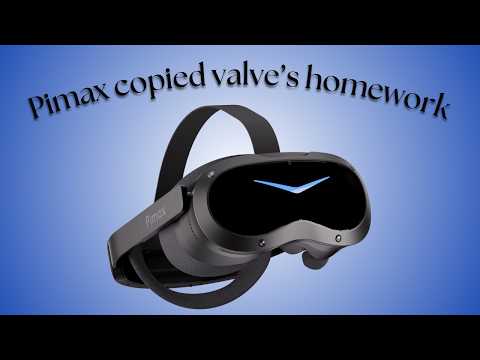
Enhance your knowledge on Pimax by exploring a selection of articles and guides on the subject.
- Wired-only Pimax Dream Air SE Offers a $899 Steam Frame Rival
- Is Pimax About to Reveal a New Wireless Steam Frame Competitor?
- Pimax Crystal 8K OLED VR Review : Swappable Optics, 140-degree Option, and Rich Colors
- Pimax Crystal Super: 29 Million Pixel VR Headset Redefining High Resolution Immersion
- Pimax Portal VR portable game console and worlds first Metaverse Entertainment System (MES)
- New Pimax Crystal Pro VR Headset to Compete With Steam Frame in 2027
- Leaked Galaxy S27 Ultra Specs Hint at Big Camera Changes and a Slimmer Build
- Pimax Crystal Light VR Headset Transforming Racing Simulation
- New Pimax Reality 12K standalone VR headset launches for $2,399
- Pimax Crystal Super VR Headset CES 2025 from $1,696
Comparison with the Steam Frame
When directly compared to Valve’s Steam Frame, the Pimax Crystal Pro struggles to justify its higher price point. The Steam Frame, starting at $1,060, offers integrated features such as dual wireless antennas for seamless PC VR streaming. In contrast, the Crystal Pro requires additional purchases, like the $599 wireless kit, to match or slightly exceed the Steam Frame’s performance capabilities.
Valve’s open platform further enhances its appeal by providing a more user-friendly and flexible experience. The Steam Frame’s design prioritizes accessibility and ease of use, while the Crystal Pro’s reliance on optional add-ons and its closed ecosystem make it less competitive in terms of value and versatility. For users seeking a straightforward, high-performance VR experience, the Steam Frame remains the more practical choice.
Software and Ecosystem Challenges
The Crystal Pro’s software ecosystem presents another significant hurdle. It is limited to Windows-only compatibility, with no support for Linux, which restricts its usability for a broader audience. This lack of an open platform also limits opportunities for customization and third-party development, reducing its appeal to tech-savvy users who value flexibility.
Pimax’s history of delayed shipping and inconsistent product quality further raises concerns about the reliability of the Crystal Pro. These issues, combined with its closed ecosystem, undermine its potential to compete effectively in the VR market. For users who prioritize a stable and well-supported platform, the Steam Frame offers a more reliable alternative.
Notable Strengths
Despite its shortcomings, the Pimax Crystal Pro does offer some strengths that may appeal to a niche audience:
- Impressive visuals: The high-resolution QLED panels with miniLED local dimming deliver a visually stunning experience, making it ideal for users who prioritize display quality.
- Optional lighthouse tracking: This feature caters to users with existing VR setups, offering compatibility with legacy systems.
- Potential for innovation: The promise of ringless controllers could improve tracking accuracy, provided the accompanying software is optimized effectively.
These features may attract dedicated Pimax fans or users seeking specific capabilities, such as higher resolution displays or compatibility with older tracking systems.
Design Philosophy and Its Drawbacks
The design philosophy behind the Crystal Pro aims to cater to a wide range of VR users, but this approach results in compromises that detract from its overall appeal. The external battery, while functional, adds significant weight and bulk, reducing comfort during extended use. Additionally, the closed ecosystem limits flexibility, especially when compared to Valve’s open platform, which encourages customization and third-party innovation.
By attempting to address multiple user needs, the Crystal Pro lacks a clear focus and fails to excel in any single area. This lack of specialization makes it difficult for the headset to stand out in a competitive market dominated by more streamlined and user-friendly alternatives.
Market Challenges and Outlook
The Pimax Crystal Pro faces several challenges in establishing itself as a viable competitor in the VR market. Its high price, combined with design compromises and limited ecosystem support, restricts its appeal to a niche audience. Without Linux compatibility or significant software improvements, the Crystal Pro is unlikely to pose a serious challenge to the Steam Frame’s dominance.
Pimax’s track record of delayed shipping and inconsistent quality further complicates its market prospects. For most users, the Steam Frame remains the better choice due to its superior value, integrated features and open platform design. While the Crystal Pro may find a place among dedicated Pimax enthusiasts or users with specific needs, it is unlikely to disrupt the broader VR market in any meaningful way.
Media Credit: Joshua Keith
Disclosure: Some of our articles include affiliate links. If you buy something through one of these links, Geeky Gadgets may earn an affiliate commission. Learn about our Disclosure Policy.
