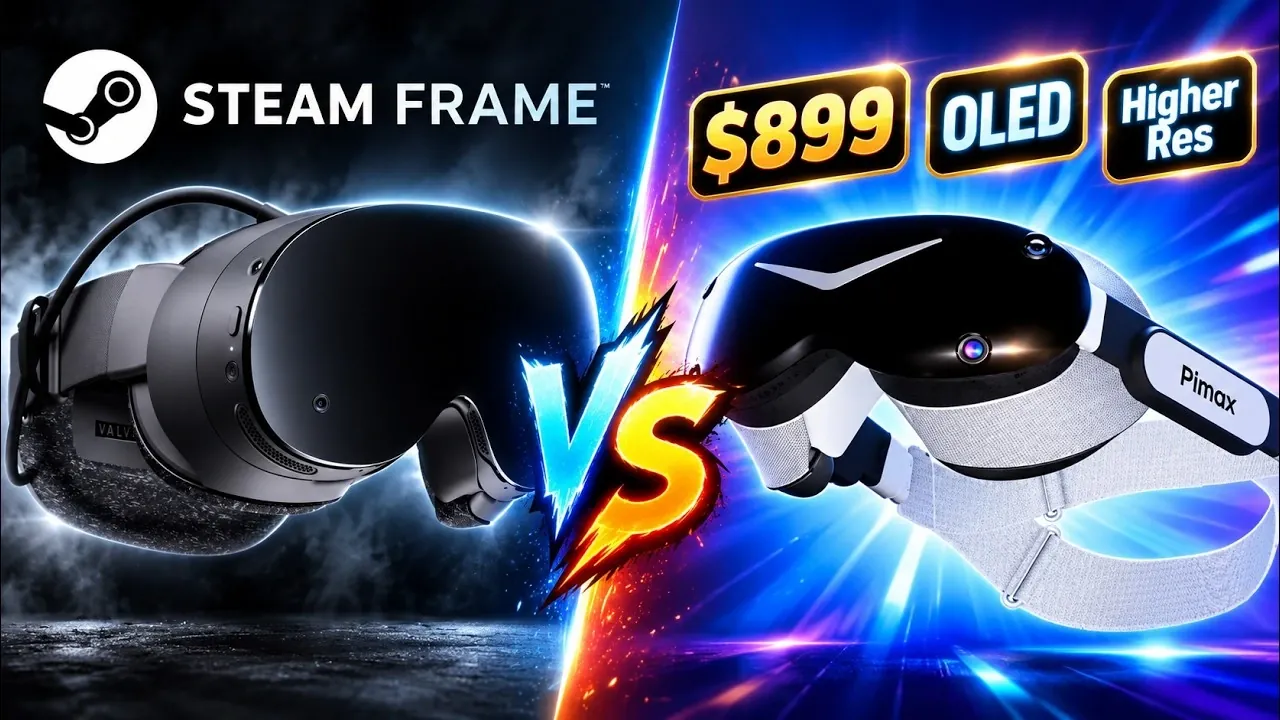
The Pimax Dream Air SE is positioning itself as a serious competitor in the PC VR space, particularly for users seeking high-resolution visuals at a competitive price. Priced at $899 for the Lighthouse version, this headset features advanced micro OLED displays with a resolution of 2560×2560 per eye, offering vibrant colors and deep blacks that enhance immersion. MRTV highlights how the Pimax Dream Air SE is purpose-built for PC VR enthusiasts, especially sim racers and flight simulation fans, who prioritize precision and visual fidelity over standalone functionality.
Explore how the Pimax Dream Air SE compares to the Steam Frame, from its reliance on a wired connection for uncompressed visuals to its use of Tobii eye-tracking for optimized performance. Gain insight into the pros and cons of its compact pancake lens design, as well as the practical differences between the Lighthouse and inside-out tracking versions. This overview provides a clear breakdown of what makes the Pimax Dream Air SE a compelling option for dedicated PC VR users.
Pricing & Versions: Tailored for Different Users
TL;DR Key Takeaways :
- The Pimax Dream Air SE is a high-resolution PC VR headset with advanced micro OLED displays offering 2560×2560 resolution per eye, delivering exceptional visual fidelity for immersive experiences.
- It comes in two versions: the $899 Lighthouse version for users with existing VR setups and the $1,199 Inside-Out Tracking version with built-in tracking cameras and USB-C rechargeable controllers.
- Key features include Tobii eye-tracking for foveated rendering, a wired connection for uncompressed visuals and a comfortable design with compact pancake lenses, though these lenses may produce occasional glare.
- Compared to the Steam Frame, it offers enhanced visual quality, reliable wired performance and a cost-effective option for users with existing peripherals.
- Best suited for PC VR enthusiasts, particularly sim racers and flight simulation fans, the Pimax Dream Air SE prioritizes precision, clarity and reliability over wireless functionality, making it a strong contender in the PC VR market.
The Pimax Dream Air SE is available in two distinct versions, each designed to meet the needs of different user groups:
- Lighthouse Version ($899): This version is ideal for users who already own base stations and controllers, offering a cost-effective solution for those with existing VR setups. It’s a practical choice for experienced VR users looking to upgrade their headset without investing in additional peripherals.
- Inside-Out Tracking Version ($1,199): Featuring built-in tracking cameras and USB-C rechargeable controllers, this version eliminates the need for external tracking systems. It provides a more integrated and streamlined experience, making it suitable for users seeking a plug-and-play solution.
Key Features and Specifications
The Pimax Dream Air SE is packed with advanced features that enhance its appeal to VR enthusiasts. These features are designed to deliver a superior and immersive experience:
- Micro OLED Displays: With a resolution of 2560×2560 per eye, the micro OLED displays offer vibrant colors, deep blacks and unparalleled clarity. This level of visual fidelity significantly enhances the sense of immersion, making it ideal for detailed simulations and high-resolution gaming.
- Tobii Eye-Tracking Technology: The inclusion of Tobii eye-tracking enables foveated rendering, a technology that focuses processing power on the areas you’re directly looking at. This not only improves performance but also optimizes resource usage, making sure smoother gameplay.
- Wired Connection: The headset connects directly to your PC via a wired setup, making sure uncompressed, high-quality visuals. This eliminates the latency issues often associated with wireless systems, providing a seamless and uninterrupted gaming experience.
- Comfort and Design: The improved facial interface enhances comfort during extended use, while the compact pancake lenses contribute to a sleek design. However, these lenses may occasionally produce glare under specific lighting conditions, which could slightly impact the visual experience.

Become an expert in VR headsets with the help of our in-depth articles and helpful guides.
- New Meta VR Glasses Pack an IMAX-certified Cinema and Weigh Just 100g
- Steam Frame VR Headset Costs $1,059 with 6GHz PC Streaming
- Meta’s 100-Gram VR Glasses Replace Bulky Headset Designs
- Meta Phoenix Quest Air VR Headset First Official Image Leaked?
- Valve Confirms Steam Deck 2 with Unreal Engine 5 Support
- 10 Reasons You Should Buy the Valve Steam Frame VR Headset at Launch
- How to Connect Your DJI Neo 2 to the Meta Quest 3
- DIY VR headset powered by SteamVR for $100
- Pimax Crystal Super: 29 Million Pixel VR Headset Redefining High Resolution Immersion
- What Valve’s Steam Frame Features Reveal About the Future of Portable VR
Advantages Over the Steam Frame
When compared to the Steam Frame headset, the Pimax Dream Air SE offers several compelling advantages that make it a strong competitor in the VR market:
- Enhanced Visual Quality: The micro OLED displays deliver richer colors and perfect black levels, creating a more immersive and visually stunning experience.
- Reliable Performance: The wired connection ensures consistent performance without the interruptions or latency that can occur with wireless systems. This is particularly beneficial for users who prioritize uninterrupted gaming sessions.
- Cost-Effective Option: At $899 for the Lighthouse version, the Pimax Dream Air SE provides a more affordable alternative for users who already own the necessary peripherals, making it an attractive choice for budget-conscious enthusiasts.
Potential Limitations
Despite its many strengths, the Pimax Dream Air SE does come with a few limitations that may influence its appeal to certain users:
- Wired-Only Setup: The lack of wireless functionality may deter users who prioritize the freedom and convenience of untethered VR experiences. This trade-off, however, ensures superior visual quality and performance.
- Glare from Pancake Lenses: While the pancake lenses contribute to the headset’s compact design, they can produce glare under certain lighting conditions, which may occasionally affect the overall visual experience.
- USB-C Charging for Controllers: The reliance on USB-C charging for the controllers may be less convenient for some users, particularly those accustomed to battery-powered alternatives like those offered by the Steam Frame.
Who Will Benefit Most?
The Pimax Dream Air SE is specifically designed for PC VR enthusiasts who demand high-performance visuals and precision. It is particularly well-suited for sim racers and flight simulation fans who prioritize clarity, detail and reliability over the flexibility of wireless systems. These users will appreciate the headset’s micro OLED technology, high resolution and dependable wired connection, which together create a premium VR experience tailored to their needs. Additionally, its competitive pricing makes it an appealing choice for those looking to upgrade their VR setup without overspending.
A Strong Contender in the PC VR Market
The Pimax Dream Air SE stands out as a high-resolution, affordable VR headset that caters to the needs of dedicated PC VR users. While it requires a wired connection and a compatible gaming PC, its superior visual quality, advanced features and competitive pricing make it a compelling alternative to the Steam Frame. For those who value immersive visuals, precision and reliability, the Pimax Dream Air SE offers a well-rounded solution that delivers on performance and quality.
Media Credit: MRTV – MIXED REALITY TV
Disclosure: Some of our articles include affiliate links. If you buy something through one of these links, Geeky Gadgets may earn an affiliate commission. Learn about our Disclosure Policy.
