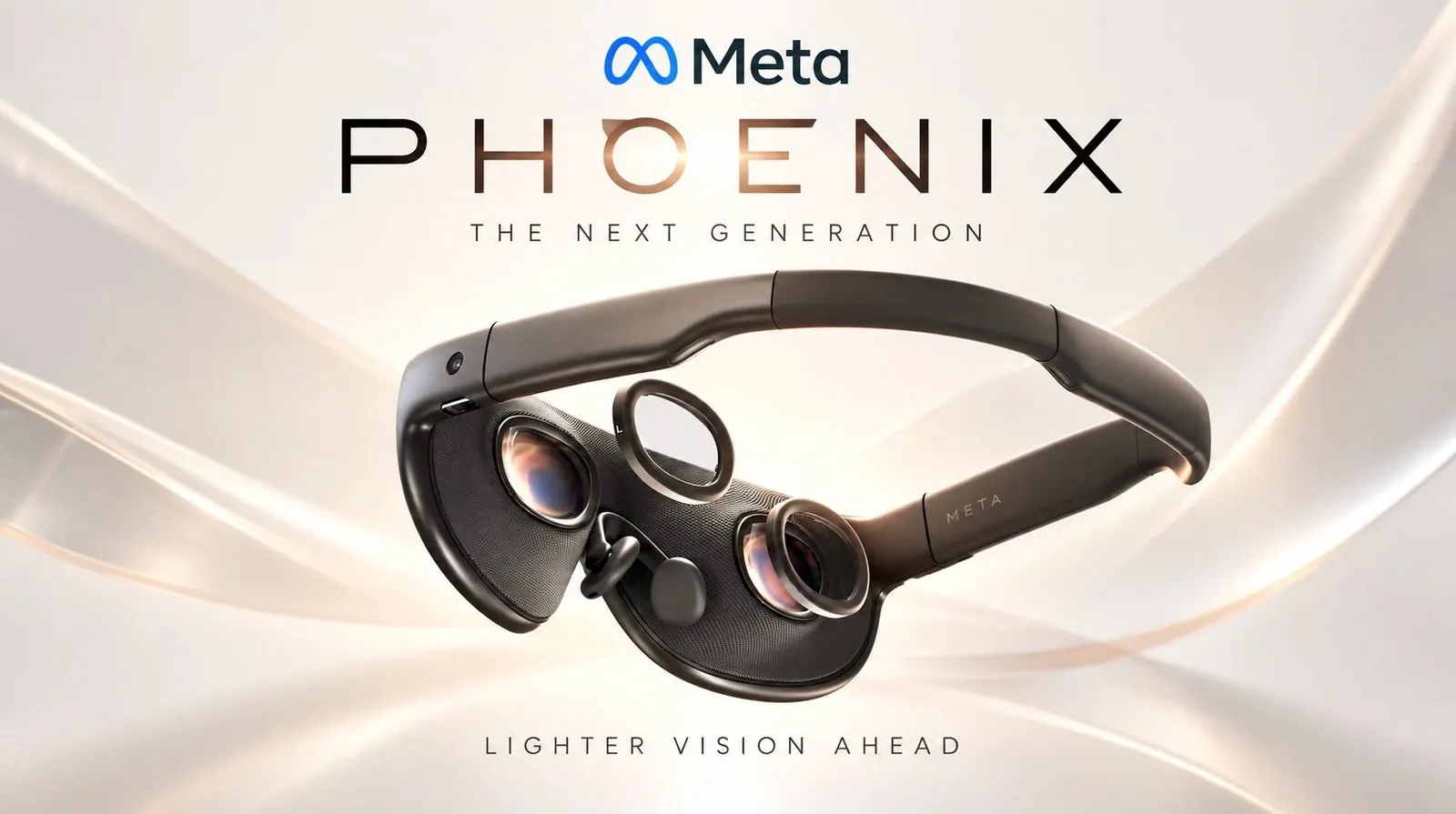
Meta’s upcoming mixed reality headset, codenamed “Project Phoenix,” has surfaced in a leaked official image, offering a glimpse into its design and functionality. Tyriel Wood highlights that the device, potentially named the Meta Phoenix or Quest Air, prioritizes media consumption and mixed reality applications over gaming. Key features include high-resolution micro OLED displays, Horizon OS and a belt-mounted computing puck that shifts processing away from the headset, improving comfort without sacrificing performance.
Discover how the Phoenix’s hand tracking and eye tracking systems are designed to enhance interaction in mixed reality. Gain insight into its ergonomic considerations, such as the implications of its non-replaceable cable and examine how its lightweight design could affect extended use. This exposé provides a detailed look at the device’s potential capabilities and limitations.
Rumoured Meta Phoenix Quest Air VR Headset
TL;DR Key Takeaways :
- Meta’s rumoured “Project Phoenix” is a sleek, lightweight mixed reality headset designed for media consumption, productivity and mixed reality applications, competing with Apple Vision Pro and Galaxy XR.
- Key features include high-resolution micro OLED displays (2560×2560 pixels per eye), a 90°-95° field of view and Horizon OS for seamless mixed reality integration.
- Innovative hardware includes precise hand tracking, eye tracking for intuitive navigation and a connected computing puck for offloading processing tasks, enhancing comfort and usability.
- Challenges include a non-replaceable cable connecting the puck to the headset, limited portability and potential discomfort during extended use due to weight distribution.
- Priced at $900, the Phoenix targets professionals and media consumers, aiming to set new benchmarks in the premium mixed reality market with its advanced features and design.
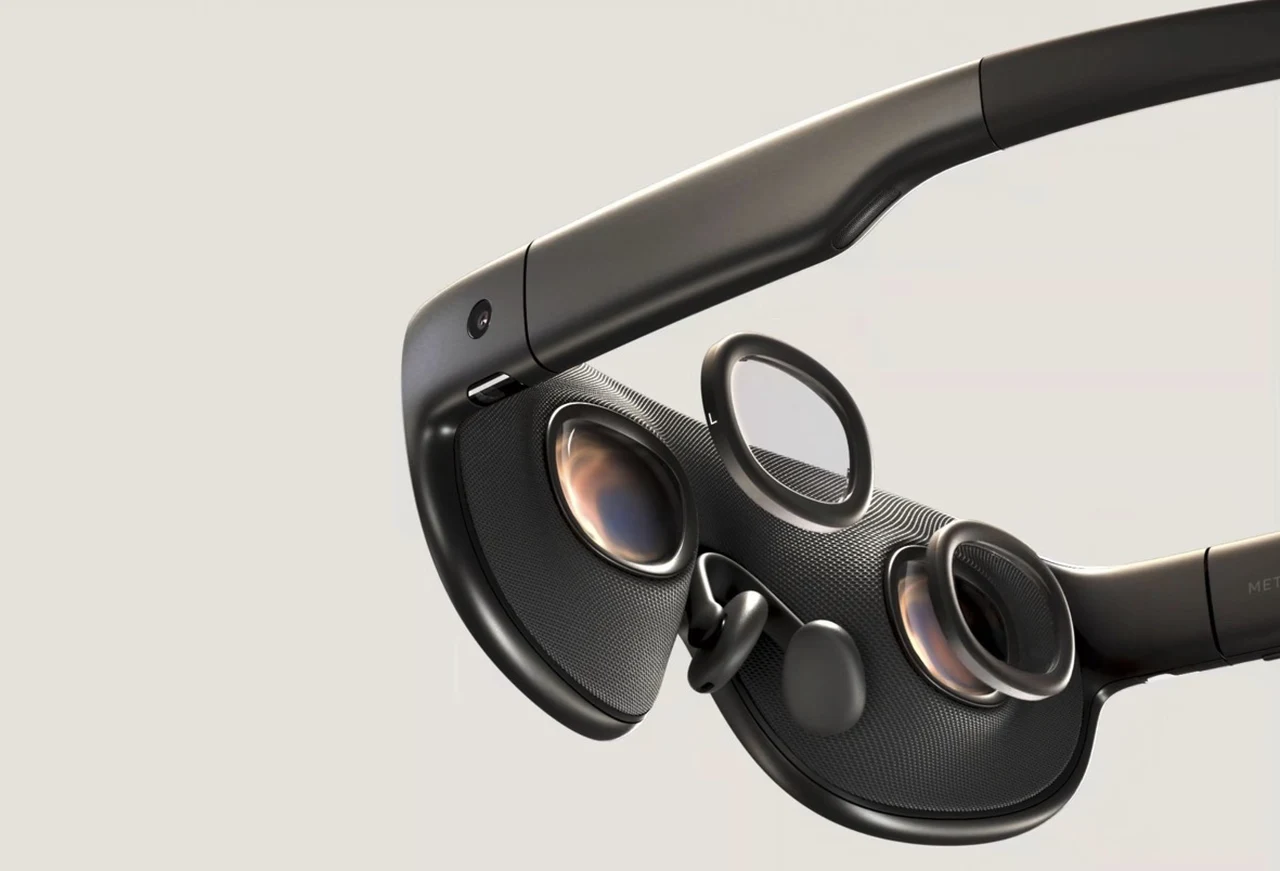
The Meta Phoenix is engineered with a focus on comfort, usability and performance, making it a versatile tool for both professionals and casual users. Its lightweight and compact form factor is complemented by advanced hardware, which includes:
- High-resolution micro OLED displays offering 2560×2560 pixels per eye, delivering sharp and vibrant visuals for an immersive experience.
- An estimated field of view (FOV) ranging from 90° to 95°, with potential expansion to 110° using advanced lens technology.
- Horizon OS, Meta’s proprietary operating system, optimized for seamless integration of mixed and virtual reality applications.
These features suggest that the Phoenix is designed to excel in productivity tools, media streaming, and mixed reality environments, catering to a diverse audience seeking high-quality performance.
Hardware Innovations
Meta has incorporated several hardware advancements into the Phoenix to enhance its functionality and user experience. These innovations include:
- Multiple strategically placed cameras allowing precise hand tracking and mixed reality capabilities, while reducing front-heavy weight for improved comfort.
- A connected computing puck worn on the user’s belt, which offloads processing tasks from the headset. This approach creates a lighter and more comfortable device without sacrificing performance.
While these advancements improve the headset’s overall usability, the non-replaceable cable connecting the puck to the headset may limit portability and convenience. This design choice raises questions about the device’s long-term practicality, especially for users who prioritize mobility.

Here are more detailed guides and articles that you may find helpful on virtual reality.
- What Valve’s Steam Frame Features Reveal About the Future of Portable VR
- 10 Reasons You Should Buy the Valve Steam Frame VR Headset at Launch
- Quest 3 Graphics Just Received a Generational Leap Update
- Complete Guide to Setting Up Your Meta Adventures Glasses
- Apple Arcade gets Xbox co-creator and Valve VR engineer Nat Brown
- AWE 2026 VR and AR Tech Reveals and Hands-on First Looks
- Teslasuit full body VR haptic suit wins Red Dot Award
- XREAL Aura Hybrid AR and VR Glasses: Hands on Guide
- RayNeo Air 4 Pro Offers Dual Micro OLED Displays For $239
- Valve Details Porting Team Fortress 2 To Virtual Reality Goggles at GDC 2013
Enhanced Visuals and Interaction
The Meta Phoenix promises exceptional visual quality and intuitive interaction, setting it apart from its competitors. Its micro OLED displays, combined with advanced color accuracy and reduced screen-door effect technology, ensure a realistic and immersive viewing experience. Additional interaction features include:
- Eye tracking for intuitive navigation and dynamic resolution rendering, which adjusts visual clarity based on the user’s gaze.
- Hand tracking, allowing for controller-free interaction with virtual environments, particularly beneficial for productivity and mixed reality applications.
These features underscore Meta’s commitment to creating a seamless and engaging user experience, making the Phoenix a compelling option for those seeking innovative mixed reality technology.
Comfort and Ergonomics
The Phoenix’s lightweight design, estimated at approximately 110 grams on the nose, represents a significant improvement over previous models. However, concerns about long-term comfort remain. The weight distribution, while optimized for compactness, may cause discomfort during extended use. This trade-off between portability and ergonomics could influence its appeal, particularly for users who require prolonged wearability for work or entertainment.
Meta’s focus on compactness and performance highlights its ambition to deliver a versatile and user-friendly device, but addressing these ergonomic challenges will be crucial for broader adoption.
Market Positioning
The Meta Phoenix is positioned as a premium mixed reality device, with an anticipated price point starting at $900. Unlike gaming-focused headsets, the Phoenix targets media consumption, productivity, and mixed reality applications, carving out a niche in the growing market for lightweight, high-performance headsets.
As a direct competitor to the Apple Vision Pro and Galaxy XR, the Phoenix reflects Meta’s response to the increasing demand for versatile and innovative mixed reality devices. Its advanced features and sleek design suggest it is aimed at users who prioritize quality, functionality and innovation over affordability.
Challenges and Industry Implications
Despite its promising features, the Meta Phoenix faces several challenges that could impact its reception in the market:
- The limited FOV, while sufficient for productivity and media consumption, may fall short for users accustomed to gaming headsets with wider viewing angles.
- The non-replaceable cable design connecting the computing puck to the headset could hinder portability and long-term usability.
However, the Phoenix builds on lessons learned from Meta’s previous devices, such as the Quest Pro and Quest 3. By addressing the needs of media consumers and professionals, Meta is positioning itself as a leader in the evolving mixed reality landscape.
The Meta Phoenix represents more than just a technological advancement, it is a bold statement about the future of immersive technology. Its innovative design and features have the potential to influence the direction of the industry, setting new benchmarks for what mixed reality devices can achieve. As the market for mixed reality continues to expand, the Phoenix could play a pivotal role in shaping the next generation of immersive experiences.
Media Credit: Tyriel Wood – VR Tech
Disclosure: Some of our articles include affiliate links. If you buy something through one of these links, Geeky Gadgets may earn an affiliate commission. Learn about our Disclosure Policy.
