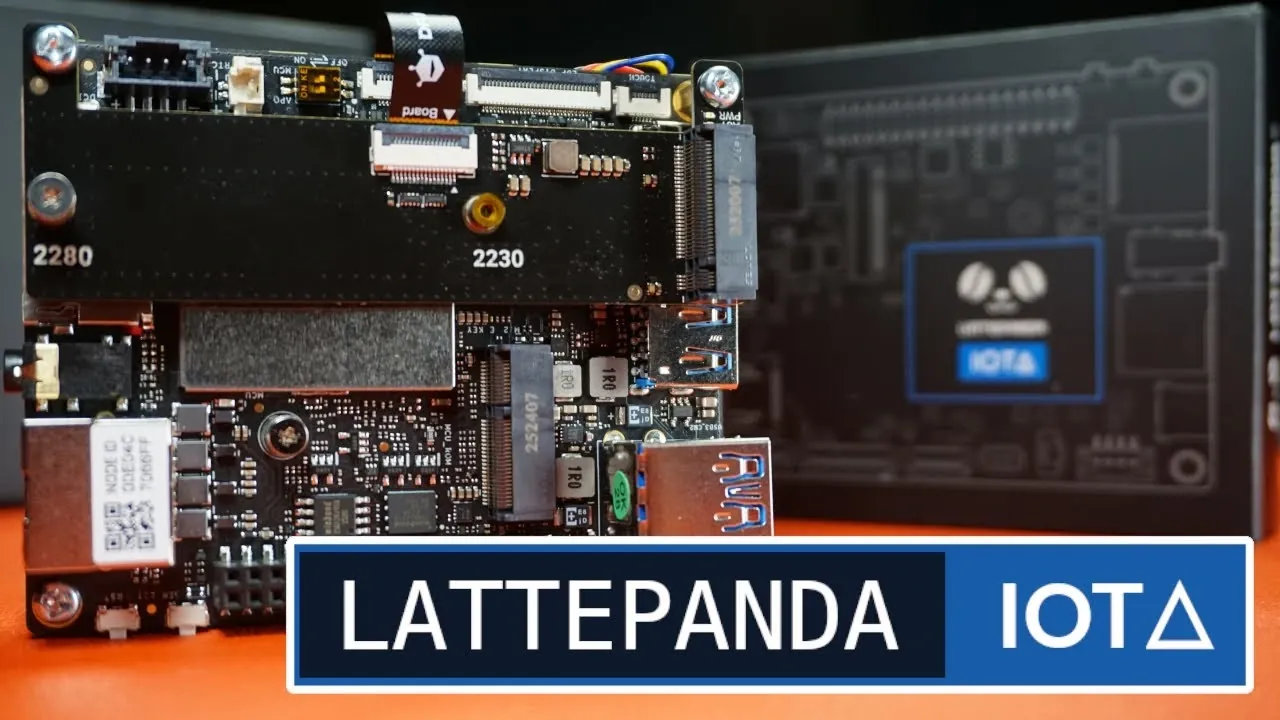
What if you could hold the power of a full-fledged computer in the palm of your hand, with enough flexibility to fuel everything from IoT projects to media centers? Enter the Intel N150 LattePanda IOTA, a single-board computer (SBC) that promises to redefine what compact computing can achieve. Boasting an x86 architecture—a rarity in a world dominated by ARM-based SBCs, this tiny powerhouse offers compatibility with both Linux and Windows, making it a standout choice for developers, hobbyists, and professionals alike. But does its promise of “huge expandability” truly deliver, or are there trade-offs lurking beneath its sleek exterior?
In this exploration of the LattePanda IOTA, Interfacing Linux uncover how its modular design and robust hardware open doors to a myriad of applications, from real-time video processing to IoT deployments. You’ll learn about its unique features, like the PCIe interface for NVMe storage and 4G LTE support, while also discovering where it might fall short, such as its cooling system noise or limited high-speed storage performance. Whether you’re seeking a versatile development platform or a compact solution for specialized tasks, this deep dive will help you decide if the LattePanda IOTA is the right fit for your needs. After all, innovation often comes in the smallest packages.
LattePanda IOTA Overview
TL;DR Key Takeaways :
- The LattePanda IOTA is a compact x86-based single-board computer powered by the Intel N150 processor, offering a balance of performance, energy efficiency, and affordability.
- It features robust hardware, including 8GB of RAM, Gigabit Ethernet, multiple USB ports, HDMI output, and support for NVMe storage, though with speed limitations due to PCIe Gen 3 x1 constraints.
- Broad compatibility with Linux and Windows operating systems makes it a versatile alternative to ARM-based SBCs, suitable for various applications like IoT, media centers, and software development.
- Expandability options include accessories like 4G LTE support, power-over-Ethernet modules, and thermal management solutions, enhancing its adaptability for specialized projects.
- While it excels in energy efficiency and media playback, limitations such as cooling system noise, lack of AV1 encoding support, and Windows-only accessory compatibility may affect its appeal for certain users.
Core Hardware Features
At the heart of the LattePanda IOTA lies the Intel N150 processor, a low-power x86 CPU that delivers a commendable balance between performance and energy efficiency. Complemented by 8GB of RAM, the board is well-equipped to handle multitasking and lightweight computing tasks. Its hardware specifications include several key highlights:
- Connectivity: The board features Gigabit Ethernet, multiple USB ports, and a full-size HDMI output, making sure seamless integration with peripherals and displays.
- Storage: Built-in eMMC storage provides moderate read/write speeds, while the PCIe Gen 3 x1 interface supports NVMe storage for enhanced capacity, albeit with speed limitations of approximately 800 MB/s for reads and 500 MB/s for writes.
- Cooling: An active cooling system ensures stable thermal performance, even under demanding workloads.
The modular design further enhances its adaptability, allowing users to customize the board with accessories such as an NVMe hat, power-over-Ethernet module, and 4G LTE support. However, the PCIe Gen 3 x1 interface’s speed constraints may not meet the needs of users requiring high-speed storage solutions.
Operating System Compatibility
One of the standout features of the LattePanda IOTA is its broad compatibility with operating systems. Its x86 architecture supports both Linux and Windows environments, offering significant flexibility for various applications. Tested with Ubuntu 20.04 and Windows 11, the board provides a reliable platform for users who rely on software requiring an x86 system. This compatibility makes it a strong alternative to ARM-based SBCs, particularly for those with specific software requirements or legacy applications that demand x86 architecture.
The ability to switch between operating systems also enhances its versatility, allowing users to tailor the board to their specific project needs. Whether you are developing software, running a media center, or managing IoT devices, the LattePanda IOTA offers a dependable foundation.
Intel N150 LattePanda IOTA : Small Board, Huge Expandability

Advance your skills in single board computers by reading more of our detailed content.
- Best Single-Board Computers (SBCs) of 2025 for Engineers
- Odroid M1S single board computer (SBC) from $49
- Orange Pi 5 Max Single Board Computer (SBC) from $95
- LattePanda IOTA Review: The Latest SBC for Robotics & IoT
- New BeagleV-Fire FPGA and RISC-V Single Board Computer
- Giant Board single-board computer with a Feather form factor
- Milk-V Meles RISC-V single-board computer SBC
- IBASE IB200 ultra-compact 2.5 Single Board Computer (SBC
- Lichee Pi 3A : A Powerful RISC-V Single-Board Computer
- X1 X86 single board computer (SBC) emulation and gaming tested
Performance and Use Cases
The LattePanda IOTA delivers solid performance across a variety of tasks, making it suitable for both general computing and specialized applications. Its performance capabilities are particularly notable in the following areas:
- Media Playback: The board supports hardware-accelerated 1080p and 4K video playback, making it an excellent choice for media centers, digital signage, or home theater setups.
- Video Processing: Real-time transcoding tests demonstrate its ability to convert 4K video to 720p at approximately 90 frames per second, showcasing its potential for video editing or streaming tasks.
- Gaming: While capable of running less demanding titles and emulators, the board struggles with resource-intensive games such as Doom 2016 or PS3 emulation, limiting its appeal for hardcore gamers.
- Power Efficiency: With idle power consumption as low as 4 watts, the board is energy-efficient, maintaining manageable thermal performance even during heavy workloads.
While the LattePanda IOTA excels in media playback and general computing, its gaming capabilities are best suited for lightweight or older titles. This makes it an ideal choice for users prioritizing energy efficiency and versatility over high-end gaming performance.
Expandability and Accessories
The modular nature of the LattePanda IOTA allows users to adapt the board to their specific needs, making it a flexible solution for a wide range of projects. Available accessories include:
- Thermal Management: Options such as an active cooler and silent heat sink provide effective cooling solutions tailored to different environments.
- Power Solutions: A battery backup module (Windows-only) ensures uninterrupted power supply, while the power-over-Ethernet module enhances connectivity for remote deployments.
- Connectivity Enhancements: 4G LTE support expands the board’s potential for IoT applications and remote monitoring systems.
These features make the LattePanda IOTA particularly well-suited for Internet of Things (IoT) projects, remote deployments, and other specialized applications. However, certain limitations, such as the lack of AV1 encoding support for modern video codecs and the Windows-only compatibility of the battery backup module, may restrict its utility for some users.
Cooling and Build Quality
The active cooling system is a critical component of the LattePanda IOTA, making sure stable performance under load. However, the fan, which can reach speeds of up to 5,000 RPM, generates noticeable noise that may be distracting in quiet environments. For users prioritizing silent operation, the optional silent heat sink and case are recommended.
In terms of build quality, the cooling system’s plastic housing and limited use of metal components may raise concerns about long-term durability. While the board’s overall construction is sufficient for most applications, users with demanding or industrial use cases may wish to consider these factors when evaluating its suitability.
Strengths and Limitations
- Strengths:
- Compact size combined with extensive expandability options.
- Broad compatibility with both Linux and Windows operating systems.
- Affordable x86-based alternative to ARM SBCs like the Raspberry Pi.
- Energy-efficient design with low idle power consumption.
- Limitations:
- No AV1 encoding support for modern video codecs.
- Windows-only compatibility for certain accessories, such as the battery backup module.
- Cooling system noise and limited NVMe performance due to PCIe constraints.
- Plastic-heavy cooling system construction may impact long-term durability.
The LattePanda IOTA strikes a balance between performance, expandability, and affordability, making it a versatile choice for a wide range of users. However, its limitations should be carefully considered to ensure it aligns with your specific needs and expectations.
Media Credit: Interfacing Linux
Disclosure: Some of our articles include affiliate links. If you buy something through one of these links, Geeky Gadgets may earn an affiliate commission. Learn about our Disclosure Policy.
