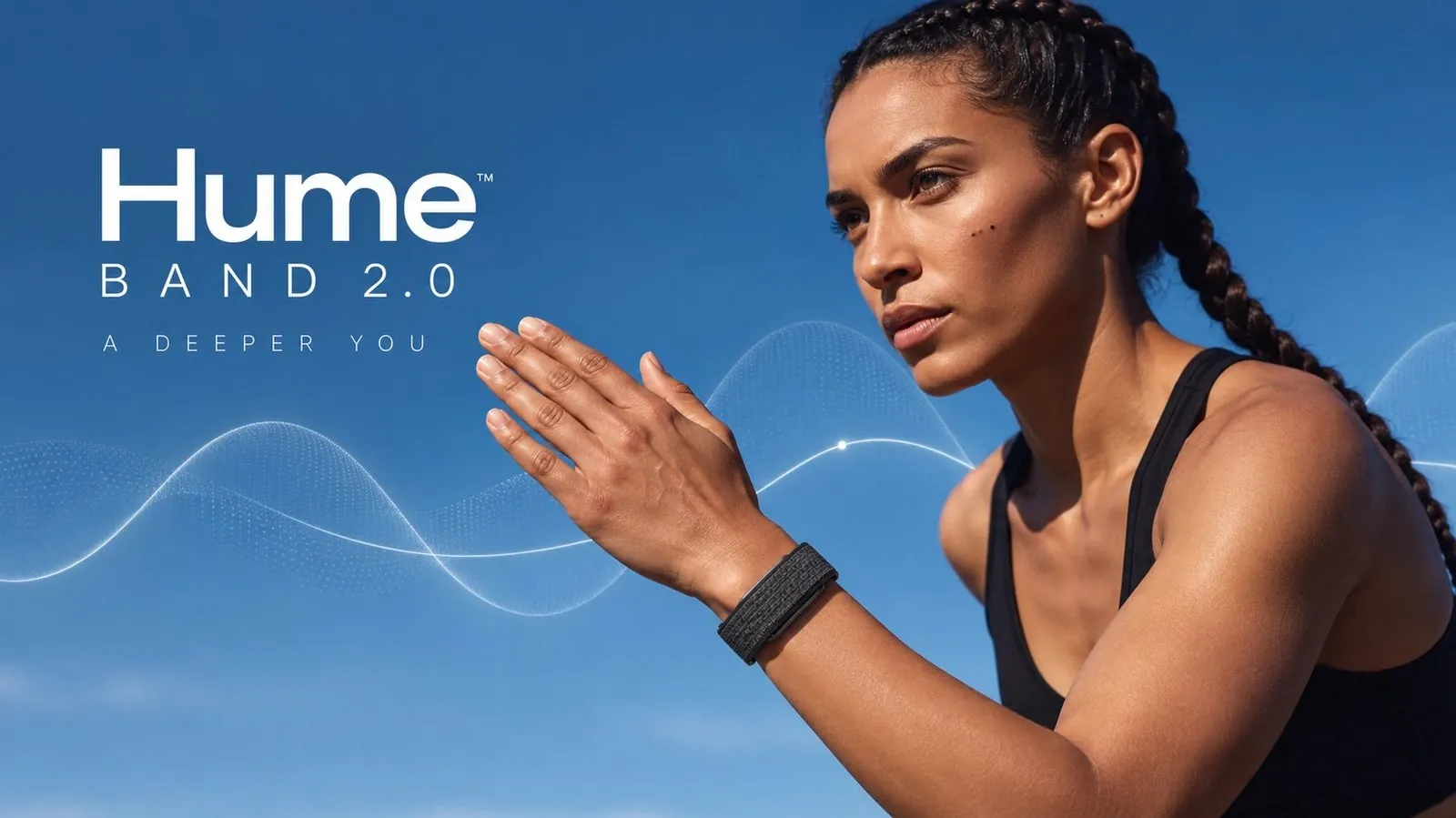
The Quantified Scientist examines the Hume Band 2.0, a wearable health device designed for tracking various physiological metrics, but with notable limitations in key performance areas. For instance, its heart rate monitoring struggles during high-intensity activities like running or weightlifting, showing a low correlation with the Polar H10 ECG chest strap, a widely recognized benchmark. Additionally, the device’s sleep tracking relies on outdated algorithms, which fail to accurately distinguish between sleep stages, reducing its usefulness for users seeking detailed recovery insights.
Discover how the Hume Band 2.0 compares to alternatives like the Apple Watch, Fitbit and Whoop Strap in areas such as heart rate variability (HRV) analysis and data accessibility. Gain insight into its hard-coded constraints, including its inability to detect certain heart rates and explore concerns about the transparency of its data-sharing practices. This review provides a detailed breakdown of the device’s performance and its practical implications for users.
Inconsistent Performance
TL;DR Key Takeaways :
- The Hume Band 2.0 struggles with inconsistent and unreliable heart rate monitoring, particularly during high-intensity activities, making it unsuitable for fitness enthusiasts.
- Sleep stage tracking is highly inaccurate, with low agreement rates for deep sleep (44%), light sleep (53%), and REM sleep (32%), limiting its usefulness for optimizing rest and recovery.
- Heart rate variability (HRV) analysis is questionable, with frequent inaccuracies and hard-coded limitations, reducing its value for tracking stress and cardiovascular health.
- The device lacks data transparency, offering limited and inconsistent access to stored data, which hinders integration with third-party platforms and detailed analysis.
- Compared to competitors like the Apple Watch, Fitbit and Whoop Strap, the Hume Band 2.0 underperforms in accuracy, reliability and user experience, making it a less compelling choice for consumers.
Heart Rate Monitoring
For users prioritizing precise heart rate tracking, the Hume Band 2.0 may prove disappointing. During high-intensity activities such as running, cycling, or weightlifting, the device frequently produces inconsistent and unreliable readings. When benchmarked against the Polar H10 ECG chest strap, widely regarded as the gold standard in heart rate monitoring, the Hume Band 2.0 demonstrates a low correlation in its measurements. This inconsistency undermines its utility for fitness enthusiasts or individuals closely monitoring their cardiovascular health.
While the device performs marginally better during periods of rest or low-intensity activity, its inability to maintain accuracy during dynamic movements limits its appeal for those seeking comprehensive fitness tracking.
Sleep Stage Tracking: Limited Reliability
The Hume Band 2.0 also struggles with sleep stage tracking, an area where accuracy is paramount for users aiming to optimize their rest and recovery. Using outdated algorithms, the device often fails to differentiate between sleep stages effectively. Its agreement rates with polysomnography, the clinical gold standard for sleep analysis, are notably low:
- Deep Sleep: 44%
- Light Sleep: 53%
- REM Sleep: 32%
These figures highlight the device’s inability to provide actionable insights into sleep patterns. In comparison, competitors like the Oura Ring and Fitbit use more advanced algorithms, delivering significantly higher accuracy and more meaningful data for users. For individuals seeking to improve their sleep quality, the Hume Band 2.0’s performance in this category is unlikely to meet expectations.

Deep dive into the latest in fitness tracker by exploring our other resources and articles.
- Amazfit Helio Strap Pro Unveils a Triple-Position Sensor System
- How Amazfit’s AI Coaching and Bio Charge Score Optimize Your Rest Days
- Garmin CIRQA Offers a Screenless $199 Alternative to Oura Ring
- Google and WHOOP Should Be Worried About Apple’s Rumored ‘Watch Air’
- Garmin CIRQA vs WHOOP 5.0: Which Fitness Tracker Should You Buy?
- Screenless Garmin CIRQA for Unobtrusive Fitness Tracking with a $199 Price Tag
- Google Fitbit Air: Why a Screenless Tracker is the Perfect Smartwatch Antidote
- £180 Garmin CIRQA Smart Band Requires No Subscription
- Garmin CIRQA vs Fitbit Air: $200 Premium Beats $100 Value
- Optional Garmin Connect Plus Adds AI Insights to Garmin CIRQA
Heart Rate Variability (HRV): Questionable Accuracy
Heart rate variability tracking, a feature often used to assess stress levels, recovery and overall cardiovascular health, is another area where the Hume Band 2.0 falls short. The device frequently reports lower-than-expected HRV values, raising concerns about its underlying methodology. Additionally, it appears to have hard-coded limitations, such as an inability to detect heart rates below 45 beats per minute during sleep. This limitation skews results and reduces the device’s usefulness for individuals with naturally lower resting heart rates, such as athletes or those with high cardiovascular fitness.
By contrast, devices like the Whoop Strap and Apple Watch provide more accurate and nuanced HRV data, making them better suited for users seeking detailed insights into their physiological state. The Hume Band 2.0’s lack of precision in this area diminishes its value as a tool for monitoring long-term health trends.
Data Transparency: A Significant Drawback
One of the most critical weaknesses of the Hume Band 2.0 is its lack of data transparency. The device provides limited access to stored data, and the formats available are often inconsistent and difficult to interpret. For users who rely on detailed insights or wish to integrate their data with third-party platforms, this poses a significant challenge.
In contrast, competitors like the Apple Watch and Whoop Strap offer seamless data-sharing options and user-friendly interfaces, allowing users to analyze their health metrics with greater ease. The Hume Band 2.0’s failure to prioritize data accessibility further undermines its appeal, particularly for data-driven individuals or those seeking to track their progress over time.
Comparison with Competitors
When evaluated alongside other wearable health devices, the Hume Band 2.0 consistently lags behind in key performance metrics. Established brands such as Fitbit, Oura Ring and Whoop Strap outperform it in terms of accuracy, reliability and user experience. Even budget-friendly options like the Fitbit Air deliver better value without compromising on essential features.
Whether the focus is on monitoring high-intensity activities, analyzing sleep patterns, or tracking HRV, these alternatives provide superior performance and greater user satisfaction. The Hume Band 2.0’s inability to compete effectively in these areas makes it a less compelling choice for consumers.
Overall Assessment
The Hume Band 2.0 offers minimal advancements over its predecessor and fails to deliver on its promises of accurate health tracking. Its poor performance in heart rate monitoring, sleep stage tracking and HRV analysis, combined with its lack of data transparency, significantly limits its utility. For individuals seeking reliable and user-friendly wearable health devices, established brands with proven track records remain the better option. The Hume Band 2.0, while ambitious in its claims, ultimately falls short in execution, making it difficult to recommend for most users.
Media Credit: The Quantified Scientist
Disclosure: Some of our articles include affiliate links. If you buy something through one of these links, Geeky Gadgets may earn an affiliate commission. Learn about our Disclosure Policy.
