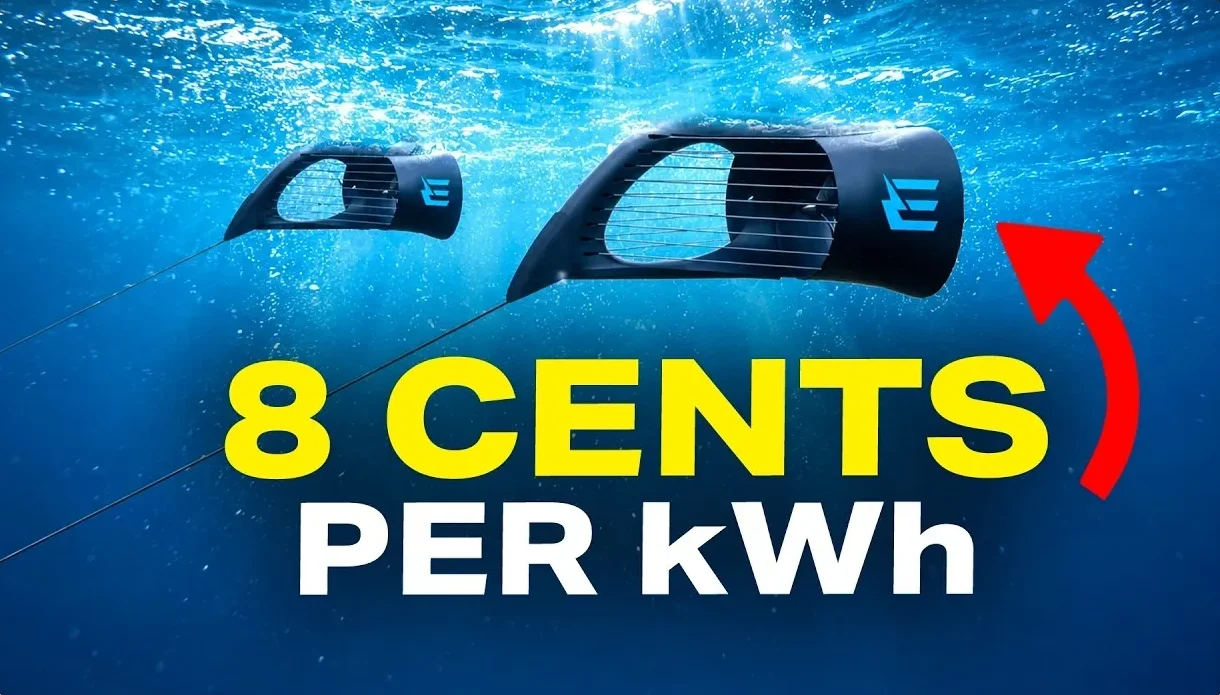
The Rhine River in Germany is now home to the world’s first operational swarm power plant, a system that reimagines how we harness hydropower. Unlike traditional setups that rely on large dams, this plant uses 124 compact turbines, known as “energy fishes,” to generate electricity directly from river currents. With an annual output of 1.5 GWh, enough to power approximately 432 households, this approach offers a sustainable alternative with minimal ecological disruption. As German Science Guy explains, the turbines use the Bernoulli effect to convert water flow into energy, all while preserving the natural dynamics of the river.
Explore how this technology balances efficiency with environmental responsibility, from its fish-safe turbine design to its adaptability across various river conditions. Gain insight into the system’s ability to deliver consistent base load power, even in challenging weather scenarios and its cost competitiveness at just 8 cents per kilowatt-hour. This feature also highlights the challenges ahead, such as noise management and river flow impacts, offering a comprehensive look at what this breakthrough means for the future of renewable energy.
How Swarm Power Plants Work
TL;DR Key Takeaways :
- The world’s first operational swarm power plant on the Rhine River in Germany uses compact “energy fish” turbines to harness river currents for renewable energy without requiring dams or large infrastructure.
- Swarm power plants generate 1.5 GWh annually, powering approximately 432 households, with electricity costs at 8 cents per kilowatt-hour, offering a cost-effective and scalable renewable energy solution.
- The system provides continuous base load power, making sure reliable energy supply even during low sunlight or wind, making it a valuable addition to the renewable energy mix.
- Environmental benefits include fish-safe turbine designs, minimal ecological disruption and the preservation of natural river flows, addressing concerns associated with traditional hydropower systems.
- Challenges include limited applicability to specific river conditions, potential noise and the need for further research to address long-term ecological impacts and optimize the technology’s performance.
Swarm power plants operate through an interconnected array of small turbines anchored to riverbeds. These turbines use the Bernoulli effect, a principle in fluid dynamics, to transform the natural flow of water into electrical energy. Designed for rivers with a minimum depth of 1 meter and a flow velocity of at least 1 meter per second, the system is adaptable to a wide range of river conditions.
Unlike conventional hydropower plants that rely on dams, this approach avoids the ecological and logistical challenges associated with large-scale infrastructure. By maintaining the natural flow of rivers, swarm power plants offer a low-impact alternative that preserves aquatic ecosystems while providing a reliable source of renewable energy.
Energy Output and Affordability
The Rhine River installation features 124 turbines, collectively generating 1.5 GWh of electricity annually. This output is sufficient to power approximately 432 households, showcasing the system’s scalability and practical application. With electricity costs estimated at 8 cents per kilowatt-hour, swarm power plants are competitive with other renewable energy sources such as wind and solar.
One of the most significant advantages of this technology is its ability to provide continuous base load power, making sure a stable energy supply even during periods of low sunlight or wind. This reliability makes swarm power plants a valuable addition to the renewable energy landscape, particularly in regions where other sources may face seasonal or weather-related limitations.

Explore further guides and articles from our vast library that you may find relevant to your interests in the latest energy technologies.
- Solar Energy S 40,000 mAh retractable solar panel and power bank
- The Island is Shrinking: iPhone 18 Pro Max Leaks Confirm Apple’s Cleanest Display Ever
- The Best Camera Ever: Why the iPhone 18 Pro’s Variable Aperture is the Real Star of 2026
- Ultimate Apple Watch Accessory: EnergyLink Charging Watch Band
- Why NASA’s Mechanical Battery Could Be the Future of Energy Storage
- iPhone 18 Pro: What Apple Isn’t Telling You Yet
- Best Phone Battery Life 2025: OnePlus 15, vivo X300 Pro, & iPhone 17 Pro Max
- The Battery BATTLE ROYALE – iPhone, Pixel, Galaxy, Xiaomi – Who Wins the Drain Test
- Airnergy Havester Battery Charges From Thin Air
- iOS 27 Leaks Reveal the End of an Era: Apple’s New Priorities Confirmed
Environmental Impact
Environmental sustainability is a central focus in the design of swarm power plants. The turbines are equipped with fish-safe features, including protective grills that allow smaller fish to pass through while shielding larger species from harm. This design minimizes the risk of injury to aquatic life, addressing one of the primary concerns associated with traditional hydropower systems.
Additionally, the absence of dams and concrete foundations significantly reduces the ecological footprint of these installations. Preliminary studies indicate that swarm power plants cause minimal disruption to river ecosystems and fish populations. However, certain challenges remain, such as potential noise from the turbines, changes in river flow velocity and the impact of reduced water levels during dry seasons. Continued monitoring and research are essential to address these concerns and ensure the long-term viability of the technology.
Key Advantages
Swarm power plants offer several distinct benefits over traditional hydropower systems:
- Continuous electricity generation, making sure a reliable and stable energy supply.
- Durable, self-cleaning turbines that require minimal maintenance, reducing operational costs.
- Low visual and environmental impact, allowing the system to blend seamlessly into natural river settings.
- Flexibility in deployment across a variety of river conditions, making it adaptable to diverse geographic locations.
These advantages position swarm power plants as an attractive option for regions seeking sustainable and adaptable energy solutions. Their ability to generate consistent power with minimal ecological disruption makes them a promising addition to the global renewable energy portfolio.
Challenges and Limitations
Despite its many benefits, the swarm power plant concept faces certain limitations. The technology is restricted to rivers with sufficient flow velocity and depth, limiting its applicability to specific geographic areas. Additionally, while early studies suggest minimal ecological disruption, further research is needed to address concerns such as:
- Potential noise generated by the turbines and its impact on aquatic life.
- Alterations to river dynamics, including changes in flow velocity and sediment transport.
- The effects of prolonged dry spells on energy production and river ecosystems.
These challenges underscore the importance of ongoing research and development to refine the technology and expand its applicability. Addressing these limitations will be critical to making sure the long-term success and sustainability of swarm power plants.
Future Potential
The success of the Rhine River installation underscores the potential for broader adoption of swarm power plants. Plans are already underway to expand the technology within Germany and explore its application in other countries. By tapping into underutilized river systems, swarm power plants could play a pivotal role in the global transition to renewable energy.
Their scalability, low environmental impact and ability to provide consistent electricity make them a promising solution for sustainable energy generation. As the world continues to seek innovative ways to combat climate change and reduce reliance on fossil fuels, swarm power plants offer a glimpse into the future of hydropower. With further research and development, this technology could transform how we harness the energy of rivers, paving the way for a cleaner and more sustainable energy future.
Media Credit: German Science Guy
Disclosure: Some of our articles include affiliate links. If you buy something through one of these links, Geeky Gadgets may earn an affiliate commission. Learn about our Disclosure Policy.
