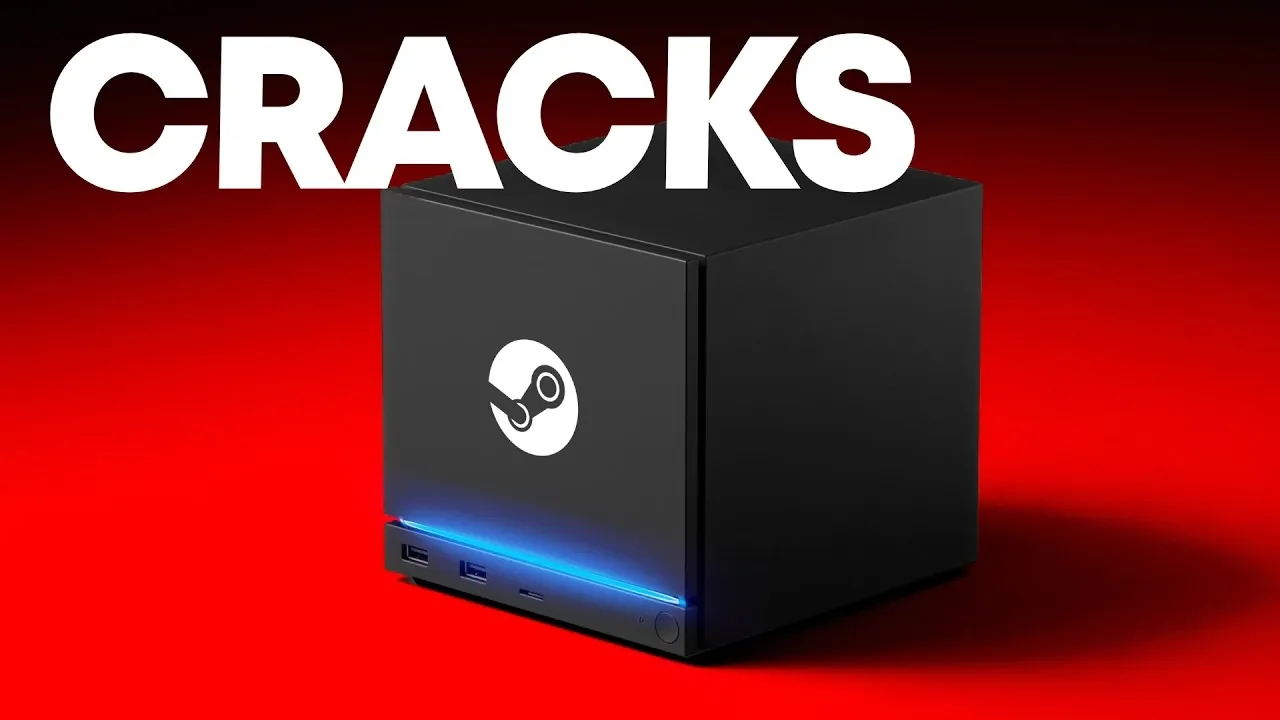
Valve’s Steam Machine is making headlines again and Deck Ready breaks down the latest updates surrounding this ambitious gaming platform. One notable challenge Valve faces is securing sufficient RAM for production, as larger competitors dominate the supply chain. Despite this, the stabilizing RAM market offers a glimmer of hope, with factors like OpenAI’s reduced purchases easing supply constraints. These developments could pave the way for more accessible hardware, making sure the Steam Machine remains a viable option for gamers seeking an alternative to traditional consoles.
Explore how Valve’s Unified Deck software continues to enhance the Steam Deck experience, from integrating non-Steam games to allowing cloud gaming compatibility. Gain insight into how these updates, alongside April’s lineup of handheld-optimized titles like Replaced and Diablo IV: Lord of Hatred Expansion, are shaping the future of portable gaming. Whether you’re interested in streamlined game management or the broader implications of hardware accessibility, this breakdown offers a clear view of what’s next for Valve and its growing ecosystem.
RAM Market Stabilization: Easing Hardware Costs
TL;DR Key Takeaways :
- Valve’s Steam Machine and Steam Deck are reshaping the gaming industry by making gaming more accessible and integrating diverse platforms through innovations like the Unified Deck software.
- The global RAM market is stabilizing, benefiting the gaming industry by reducing hardware costs, though Valve faces challenges in securing sufficient RAM due to competition from larger players.
- Unified Deck software enhances the Steam Deck experience with features like seamless integration of non-Steam games, automatic DLC management, cloud gaming compatibility and an intuitive user interface.
- April 2026 sees a strong focus on handheld gaming with notable game releases like “Replaced,” “Pragmata,” “Vampire Crawlers,” and the “Diablo IV: Lord of Hatred Expansion,” optimized for portable devices.
- Despite competition from industry giants, Valve’s focus on affordability, software innovation and a growing library of optimized games positions it as a key player in the evolving gaming landscape.
The global RAM market, after months of volatility, is finally stabilizing, bringing relief to both manufacturers and consumers. This development is particularly significant for the gaming industry, where hardware costs directly impact accessibility and innovation. Several factors have contributed to this shift:
- Google’s TurboQuant Technology: This breakthrough optimizes memory usage, enhancing hardware efficiency and reducing overall demand for high-capacity RAM.
- OpenAI’s Strategic Adjustments: By scaling back its RAM purchases, OpenAI has alleviated pressure on the supply chain, creating more availability for other industries.
Despite these positive trends, Valve faces challenges in securing sufficient RAM for its Steam Machine. Larger competitors like Sony, Microsoft and Nintendo dominate the supply chain, leaving smaller players to navigate resource constraints. These challenges highlight the competitive nature of the gaming hardware market and the importance of strategic resource management.
Unified Deck Software: Expanding Gaming Horizons
Valve’s Unified Deck software is a fantastic option for the Steam Deck, designed to simplify and enhance how you access and manage your games. This software is not just about convenience; it represents a broader effort to integrate diverse gaming platforms into a cohesive experience. Key features of Unified Deck include:
- Seamless Integration of Non-Steam Games: Add titles from platforms like GOG, Epic Games Store and Ubisoft with ease, expanding your library beyond Steam.
- Automatic DLC Management: Enjoy hassle-free updates and downloads for your favorite games, saving you time and effort.
- Cloud Gaming Compatibility: Access services like Xbox Cloud Streaming directly on your Steam Deck, broadening your gaming options.
- Intuitive User Interface: Navigate your game library effortlessly with a design focused on simplicity and functionality.
For gamers, this means less time spent on configurations and more time immersed in gameplay. Unified Deck underscores Valve’s commitment to creating a seamless and enjoyable gaming experience, regardless of the platform or title.

Below are more guides on Steam Machine from our extensive range of articles.
- Steam Machine : Early 2026 Release Date, Prices, Specs & OS Features
- Steam Machine Pricing Tipped at $600 to $650 with Supply Tight
- Steam Machine Pricing Outlook, Early 2026 Release Window
- Steam Machine Update : Pricing Delays & What Valve Can Do Next
- Worlds Smallest DIY Steam Machine : Ryzen 7840U for Steady 1080p Play
- Steam Machine HDMI 2.1 Limits, Valve and AMD Fixes Explained
- Steam Machine 2026 Launch Plan Amid Component Shortages
- New Steam Machine Accessories : Plus GeForce Now App for Linux
- Steam Machine Price : Why Valve Set the Tag at $1,000 in 2026
- AI Hyperscalers Driving up Steam Machine Prices
April’s Game Releases: Handheld Gaming Takes Center Stage
April 2026 is a standout month for gaming, with a lineup of highly anticipated titles optimized for handheld devices like the Steam Deck. These releases cater to a growing audience of gamers who value portability without compromising on quality. Highlights include:
- Replaced (April 14): A visually stunning 2.5D Metroidvania that combines intricate combat mechanics with a gripping narrative.
- Pragmata (April 17): Capcom’s ambitious new IP blends third-person shooting with challenging puzzles, offering a fresh and engaging experience.
- Vampire Crawlers (April 21): A fast-paced dungeon crawler designed for smooth performance on handheld devices, making sure an optimized experience for Steam Deck users.
- Diablo IV: Lord of Hatred Expansion (April 28): Featuring the highly anticipated Paladin class, this expansion adds depth to the Diablo IV universe. While Steam Deck optimization may require further refinement, it remains a significant release for fans of the series.
These games highlight the industry’s growing focus on handheld gaming, offering you a diverse range of experiences tailored for portable devices.
Valve’s Role in a Competitive Gaming Industry
Valve’s efforts with the Steam Machine and Steam Deck demonstrate its commitment to innovation, but the company operates in a highly competitive environment. Industry giants like Sony, Microsoft and Nintendo have established dominance, making it challenging for smaller players to secure resources and market share. However, Valve’s strategic focus on affordability, software integration and a growing library of optimized games positions it as a strong contender.
The stabilizing RAM market offers an opportunity for Valve to address hardware constraints, while the Unified Deck software enhances the appeal of the Steam Deck. By using these advantages, Valve can continue to innovate and expand its influence in the gaming industry.
Emerging Trends and Opportunities in Gaming
The gaming industry is navigating a period of transformation, marked by both challenges and opportunities. High hardware costs and the demand for performance optimization remain pressing issues, but there are clear signs of progress. For you, these trends translate into several benefits:
- Expanded Gaming Options: A growing library of games optimized for handheld devices ensures more choices for players.
- Enhanced Performance: Advances in software and hardware integration improve the overall gaming experience, particularly for portable devices.
- Streamlined Accessibility: Tools like Unified Deck simplify game management, making gaming more user-friendly and enjoyable.
These developments reflect the industry’s dedication to creating a more inclusive and engaging gaming environment, catering to a diverse audience of players.
The Road Ahead for Handheld Gaming
Valve’s Steam Machine and Steam Deck exemplify the company’s innovative approach to gaming hardware and software. While challenges such as resource limitations and competition from established players persist, the improving RAM market and the introduction of tools like Unified Deck signal a promising future. With a strong lineup of games and a focus on enhancing the handheld gaming experience, Valve is well-positioned to shape the next chapter of gaming. For you, this means a future filled with more accessible, optimized and immersive gaming opportunities.
Media Credit: Deck Ready
Disclosure: Some of our articles include affiliate links. If you buy something through one of these links, Geeky Gadgets may earn an affiliate commission. Learn about our Disclosure Policy.
