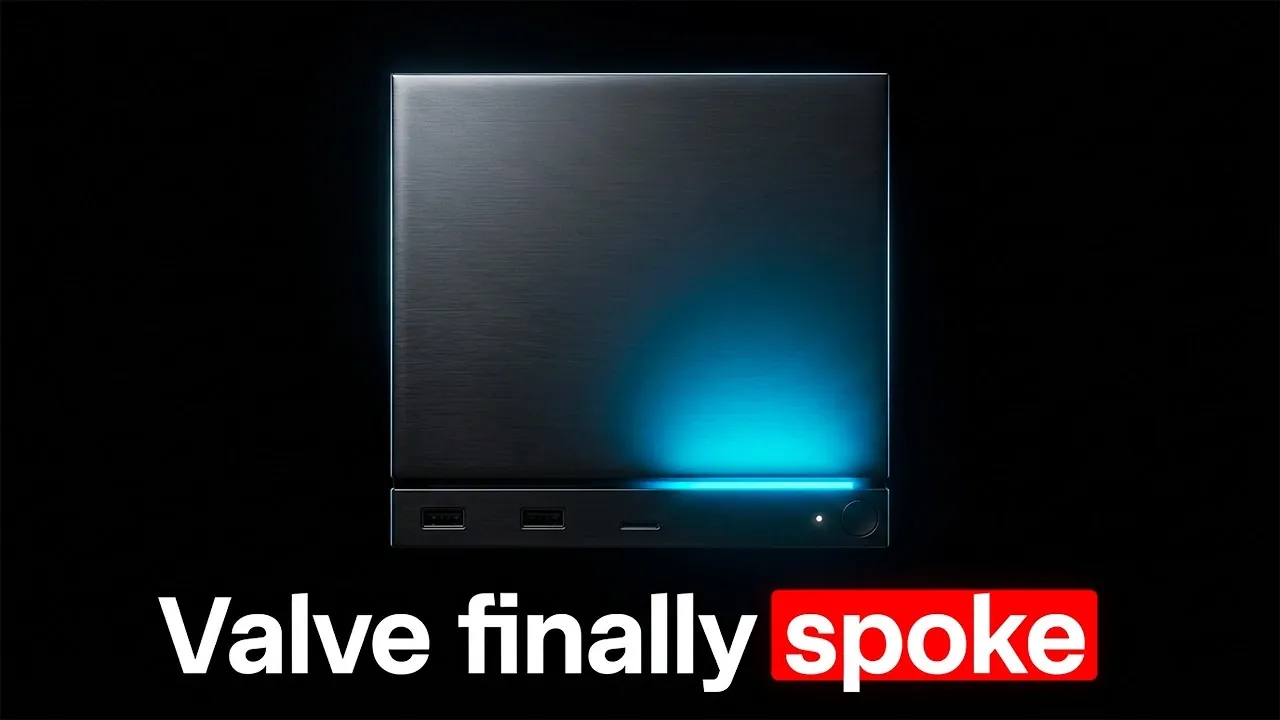
Valve’s release of the Steam Controller Mark II showcases a deliberate effort to refine gaming hardware despite significant industry challenges. As highlighted by Bellular News, the controller introduces features like magnetic control sticks for enhanced precision and gyro controls for immersive gameplay, catering to both casual and competitive gamers. However, the broader context of its launch is shaped by a global DDR6 RAM shortage and rising production costs, which have delayed other Valve projects, such as the Steam Machine. These constraints underscore the difficulties smaller companies face in balancing innovation with affordability.
In this overview, you’ll explore how the Steam Controller Mark II’s design prioritizes customization through programmable buttons and what this means for player engagement. Additionally, gain insight into the economic pressures impacting Valve’s hardware roadmap, including the implications of component shortages on pricing and timelines. Finally, examine how these challenges may influence the future of gaming hardware and the potential shift toward cloud-based solutions.
Steam Controller Mark II
TL;DR Key Takeaways :
- Valve has launched the Steam Controller Mark II, featuring magnetic control sticks, gyro controls and additional programmable buttons, aimed at enhancing precision and customization for gamers.
- The controller is priced at $100, reflecting increased production costs, but its compatibility is largely limited to Steam’s ecosystem, which may deter multi-platform gamers.
- Development of Valve’s other projects, the Steam Machine and Steam Frame, faces delays due to a global DDR6 RAM shortage and rising component costs, impacting timelines and affordability.
- The DDR6 RAM shortage highlights broader supply chain challenges in the gaming hardware industry, with smaller companies like Valve struggling to compete with larger corporations’ purchasing power.
- Rising hardware costs are driving shifts toward cloud gaming, offering lower upfront costs but raising concerns about ownership, data privacy and long-term affordability for consumers.
The Steam Controller Mark II brings a host of new features aimed at enhancing precision, customization and overall gameplay immersion. These upgrades demonstrate Valve’s focus on addressing the needs of modern gamers while pushing the boundaries of controller technology. Notable enhancements include:
- Magnetic control sticks: These provide improved accuracy, making sure precise in-game movements that cater to both casual and competitive players.
- Gyro controls: Motion-based input adds a layer of immersion, allowing players to interact with games in more intuitive ways.
- Additional programmable buttons: These enable gamers to customize their controls, tailoring the device to their unique playstyles and preferences.
Despite these advancements, the controller’s compatibility remains largely tied to Steam’s ecosystem, which may deter gamers seeking multi-platform functionality. Additionally, the $100 price point positions the controller as a premium product, potentially limiting its appeal to budget-conscious consumers. Valve has justified this pricing by citing increased production costs, a challenge that has become widespread across the gaming hardware sector.
Delays in the Steam Machine and Steam Frame
While the Steam Controller Mark II has generated excitement, Valve’s other highly anticipated projects, the Steam Machine and Steam Frame, continue to face delays. These setbacks are primarily attributed to the ongoing global shortage of DDR6 RAM and rising component costs. DDR6 RAM, a critical component for high-performance gaming systems, is in high demand across multiple industries, including automotive manufacturing and cloud computing, further exacerbating supply constraints.
Valve has reaffirmed its commitment to these projects but faces significant hurdles in bringing them to market. Unlike industry giants such as Sony and Microsoft, Valve lacks the purchasing power to navigate supply chain disruptions effectively. This puts the company at a disadvantage, as it struggles to balance innovation with affordability while making sure timely product releases.

Deep dive into the latest in Steam Controller by exploring our other resources and articles.
- $60 Steam Controller 2 is Packing Features PC Gamers Have Been Waiting For
- Is Valve’s New $99 Steam Controller Actually Worth the Price?
- Steam Controller Hands on First Look : Worth the Premium $99 Upgrade?
- Why the New Steam Controller’s Deep Customization Might Overwhelm You
- Unboxing Valve’s Most Unique Hardware : Steam Controller
- How Valve Just Ruined Scalpers’ Plans for the Next Steam Controller Inventory
- 13 Hidden Steam Controller Features You Probably Missed
- Steam Controller’s Capacitive Grips Will Change How You Play
- Steam Controller 2026 is So Close to Being the Perfect Gamepad
- New Valve Steam Controller Tested by Gamers Nexus : Here’s What They Found
The DDR6 RAM Shortage and Its Broader Implications
The global DDR6 RAM shortage has emerged as a critical bottleneck for the gaming hardware industry. As various sectors compete for limited supplies, the cost of RAM has surged, forcing manufacturers to make difficult decisions. Many, including Valve, have opted to pass these increased costs on to consumers, resulting in higher prices for gaming devices.
For Valve, this shortage has directly impacted the development timelines of the Steam Machine and Steam Frame, delaying their release and complicating efforts to offer competitively priced products. This situation underscores the interconnected nature of global supply chains and highlights the challenges smaller companies face in maintaining competitive pricing and production schedules.
Wider Challenges in Gaming Hardware Production
Beyond the RAM shortage, the gaming hardware industry is grappling with rising costs across nearly all components, including GPUs, CPUs and storage devices. These increases are driven by a combination of supply chain disruptions, heightened demand and broader economic pressures. While these challenges affect all manufacturers, smaller companies like Valve are particularly vulnerable.
Larger corporations benefit from economies of scale, allowing them to negotiate better deals with suppliers or absorb higher costs without significantly impacting their pricing strategies. This creates a competitive imbalance, raising concerns about the future of independent hardware innovation in a market increasingly dominated by major players.
Shifting Trends in Gaming: The Role of Cloud Gaming
The rising costs of gaming hardware are prompting shifts in consumer behavior and industry strategies. As prices climb, affordable gaming options may become less accessible, potentially alienating budget-conscious players. This trend could accelerate the adoption of cloud gaming, where computational tasks are handled by remote servers, reducing the need for expensive hardware at home.
Cloud gaming offers several advantages, including lower upfront costs and the ability to play high-performance games on less powerful devices. However, it also introduces new challenges. Subscription-based models may limit gamers’ control over their experiences, raising concerns about ownership, data privacy and long-term affordability. For many, the transition to cloud gaming may feel like exchanging one set of limitations for another, underscoring the complexity of this emerging trend.
Balancing Innovation, Affordability and Accessibility
Valve’s Steam Controller Mark II exemplifies the company’s dedication to advancing gaming technology, but its release also highlights the broader challenges facing the gaming hardware industry. The delays of the Steam Machine and Steam Frame, coupled with the global DDR6 RAM shortage and rising production costs, illustrate the difficulties manufacturers face in delivering innovative yet affordable products.
As the industry continues to navigate these obstacles, the balance between innovation, affordability and accessibility will remain a critical focus. For consumers, these challenges may reshape the way they approach gaming, influencing decisions about hardware investments and the adoption of emerging technologies like cloud gaming. For manufacturers, the ability to adapt to these shifting dynamics will be essential in maintaining relevance and competitiveness in an increasingly complex market.
Media Credit: Bellular News
Disclosure: Some of our articles include affiliate links. If you buy something through one of these links, Geeky Gadgets may earn an affiliate commission. Learn about our Disclosure Policy.
