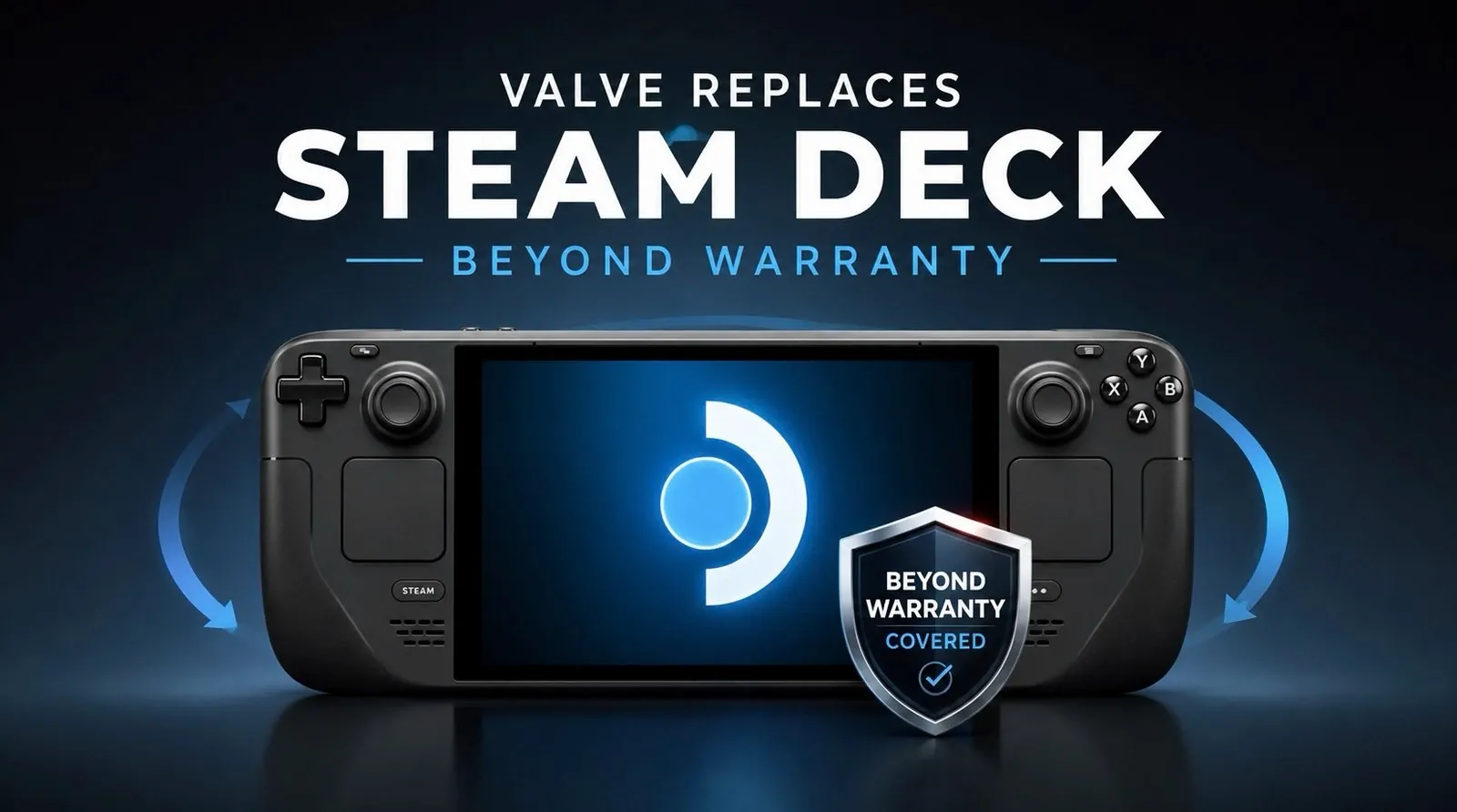
Valve’s ability to balance reliability, innovation and customer trust has solidified its position as a leader in the gaming industry. Deck Ready explores how Valve’s consistent updates, such as HDR streaming and enhanced refresh rates and customer-focused practices like replacing defective hardware beyond warranty periods, have created a foundation for long-term success. By comparing Valve’s approach to competitors like Lenovo’s Legion Go, which has faced criticism for reliability issues, this breakdown highlights the critical role of dependable hardware and user-centric policies in building consumer loyalty.
Discover how Valve’s strategies extend beyond hardware reliability to shape the broader gaming ecosystem. You’ll gain insight into the trade-offs between price and performance, the challenges competitors face in matching Steam’s ecosystem and the potential for collaboration between major players like Xbox and Valve. This deep dive provides a clear view of the factors driving loyalty in the gaming market and what they mean for the future of gaming platforms.
The Core of Valve’s Success
TL;DR Key Takeaways :
- Valve’s commitment to reliability, frequent updates and customer-focused policies has established it as a leader in the gaming industry, fostering trust and loyalty among gamers.
- Valve’s hardware, such as the Steam Deck, stands out for its innovation and quality, with practices like replacing defective devices even after warranty periods enhancing customer satisfaction.
- Lenovo’s Legion Go highlights the risks of prioritizing affordability over reliability, as hardware issues and insufficient support have alienated consumers, emphasizing the importance of dependable performance.
- Steam’s dominance in PC gaming is driven by its extensive library, frequent sales and seamless ecosystem integration, making it the preferred platform despite competition from Xbox and others.
- The future of gaming ecosystems lies in collaboration and integration, with partnerships between major players like Valve and Xbox offering opportunities to create a more unified and inclusive gaming experience.
Reliability and Updates
Valve’s hardware offerings, such as the Steam Deck and Steam Machine, exemplify the company’s dedication to quality and innovation. Regular software updates introduce features like HDR streaming and enhanced refresh rates, making sure users remain at the cutting edge of gaming technology. Beyond software, Valve’s hardware reliability is a standout feature. The company has earned a reputation for replacing defective devices even after warranty periods have expired, a practice that fosters significant trust and loyalty among its customers. These actions underscore Valve’s understanding of the long-term value gamers seek in their investments. By prioritizing reliability and consistent updates, Valve has created a foundation for sustained success in a competitive market.
Lessons from Lenovo’s Legion Go
Lenovo’s Legion Go, while offering competitive pricing, has faced notable criticism for hardware reliability issues, particularly with BIOS updates. Reports of device failures and insufficient warranty support have raised concerns among consumers. These challenges highlight a critical lesson: affordability cannot compensate for unreliable performance. In a market where peace of mind is a priority, reliability is non-negotiable. Lenovo’s struggles with the Legion Go serve as a cautionary tale for companies aiming to compete in the gaming hardware space. Consumers are increasingly unwilling to compromise on dependability, even when presented with lower-cost options.

Here are more detailed guides and articles that you may find helpful on Steam Deck.
- Valve Sees 82% Drop in Steam Deck Sales Amid Price Hikes
- Why Gamers Are Abandoning the Steam Deck OLED After Its Massive Price Hike
- Why Gamers Are Skipping the Steam Deck OLED for This $450 Handheld
- Why Valve’s Latest SteamOS Update Changes Everything for Your Steam Machine
- Steam Deck Alternative: Legion Go S Packs Ryzen Z2 Go for $550 on Used Market
- Valve Delays Steam Machine and Raises Steam Deck Prices
- Forza Horizon 6 on SteamOS : Steam Deck vs Z2 Go vs Z1 Extreme Tested
- Steam Deck Updates : PS3 Emulation Upgrades Gains & New Releases
- ROG Ally Offers a $599 Alternative to the Steam Deck OLED
- What the Xbox and Valve Partnership Means for Steam Deck Performance
Price vs Performance: A Delicate Balance
As gaming hardware becomes more advanced, the cost of devices has risen, prompting consumers to carefully weigh the balance between price and performance. Devices like the Steam Deck, PlayStation 5 and Xbox Series S/X may carry higher price tags, but their quality, reliability and consistent updates often justify the investment. Conversely, lower-cost devices with questionable reliability, such as the Legion Go, risk alienating consumers over time. For many gamers, paying a premium for dependable hardware and robust support is a trade-off they are willing to make. This trend underscores the importance of delivering value through both performance and reliability, rather than focusing solely on affordability.
Xbox’s Push into PC Gaming: Opportunities and Obstacles
Xbox has made significant efforts to expand its presence in PC gaming through initiatives like Project Helix and Play Anywhere. However, competing with Steam’s dominance remains a formidable challenge. Steam’s extensive game library, frequent sales and established user base make it the go-to platform for PC gamers. To bridge the gap, Xbox could explore collaborative strategies with Valve, such as bundling Steam game copies with Xbox purchases or integrating Xbox Game Pass with Steam’s ecosystem. These partnerships could attract new users while enhancing the overall gaming experience. By using Steam’s strengths, Xbox has the potential to carve out a larger share of the PC gaming market.
Why Gamers Stay Loyal to Steam
Steam’s dominance in PC gaming highlights the power of ecosystem loyalty. Despite competitors offering free games or exclusive features, many gamers remain loyal to Steam due to its reliability, intuitive interface and robust cross-save functionality. The ability to seamlessly transition between devices and platforms is a key factor in retaining users. Steam’s frequent sales and extensive library further solidify its position as the preferred platform for PC gamers. This loyalty underscores the importance of creating a cohesive and dependable ecosystem that meets the evolving needs of gamers, making sure long-term engagement and satisfaction.
The Future of Gaming Ecosystems
The gaming industry is poised for further evolution, with partnerships between major players like Xbox and Valve holding the potential to reshape the landscape. Collaborative efforts could counter Sony’s market strategies and create a more unified gaming ecosystem. Innovations such as enhanced platform integration, improved cross-save functionality and shared game libraries will be critical in attracting and retaining players across platforms. A more interconnected ecosystem would not only benefit companies but also provide gamers with a seamless and inclusive experience. As the industry moves forward, the focus on collaboration and integration will likely define the next phase of gaming.
Reliability and Trust: The Cornerstones of Success
In an increasingly competitive gaming market, reliability and customer trust have become essential factors for success. Gamers are prioritizing long-term value and peace of mind when making purchasing decisions. Companies that invest in quality hardware, robust customer support and seamless user experiences are better positioned to retain their current customers while attracting new ones. Valve’s approach to reliability and trust serves as a model for the industry, demonstrating the importance of meeting consumer expectations through consistent performance and support.
Valve’s Blueprint for the Future
Valve’s approach to gaming hardware and software has set a high standard for the industry. By emphasizing reliability, frequent updates and customer satisfaction, Valve has built a loyal user base and established itself as a leader in the gaming world. As gaming ecosystems continue to evolve, the lessons from Valve’s success will remain relevant. Companies aiming to thrive in this dynamic and demanding market can draw valuable insights from Valve’s strategies, making sure they meet the needs of gamers while fostering trust and loyalty in an ever-changing industry.
Media Credit: Deck Ready
Disclosure: Some of our articles include affiliate links. If you buy something through one of these links, Geeky Gadgets may earn an affiliate commission. Learn about our Disclosure Policy.
