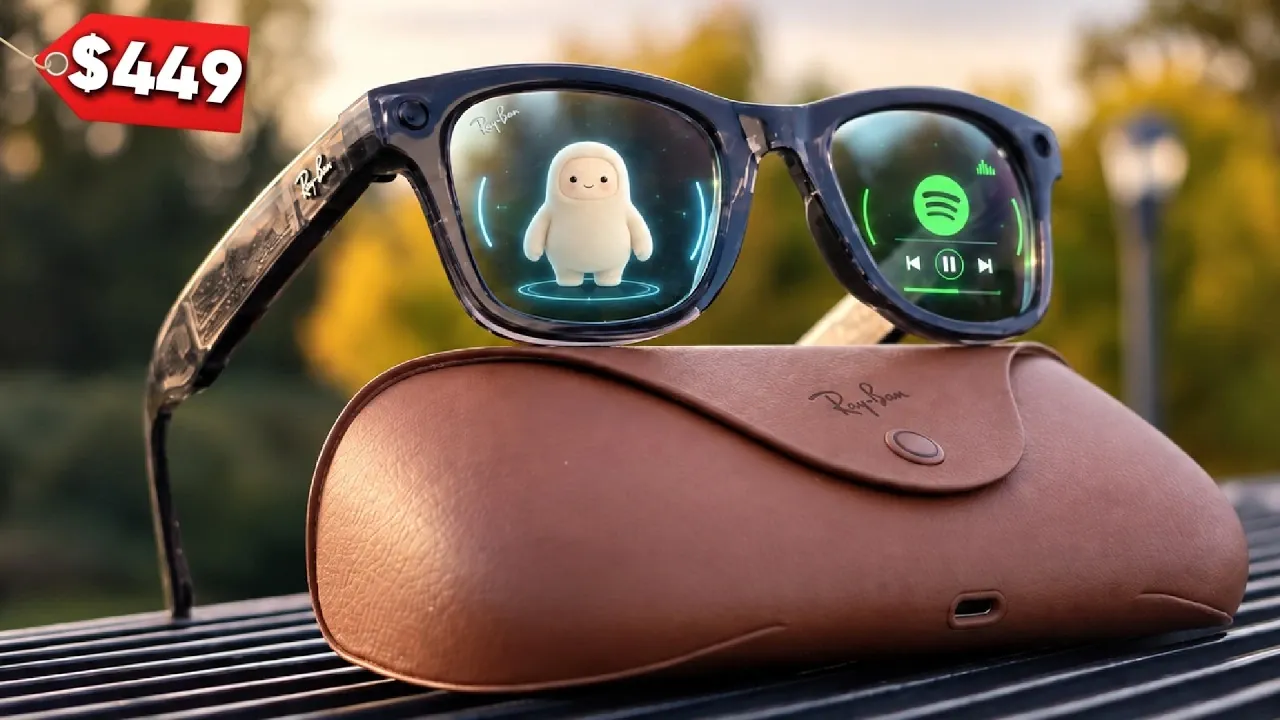
The Ray-Ban Meta Gen 3 smart glasses introduce a series of updates over the Gen 2 model, including enhanced audio features, subtle design tweaks and a higher price point. Steven Sullivan explores whether these changes justify the upgrade, particularly for those who already own the Gen 2. Among the notable improvements, the Gen 3 offers extended battery life, now lasting up to 9 hours and a sixth microphone for clearer calls and better voice recognition in noisy settings. These updates aim to refine the overall user experience, but the decision to upgrade ultimately hinges on individual priorities and how much value is placed on these enhancements.
In this overview, you’ll gain insight into how the Gen 3’s refined design compares to the Gen 2’s familiar look, including details on new frame styles and subtle camera adjustments. Discover how features like spatial audio and customizable quick-action buttons enhance functionality and learn about the shared availability of the Muse AI assistant across both models. Whether you’re considering the Gen 3 for its performance upgrades or weighing the cost against the Gen 2’s capabilities, this guide will help you make an informed choice.
Ray-Ban Meta Gen 3 vs Gen 2
TL;DR Key Takeaways :
- The Ray-Ban Meta Gen 3 smart glasses feature design refinements, including smaller camera holes and new frame styles, but maintain the same frame and lens sizes as the Gen 2.
- Performance upgrades include extended battery life (9 hours), improved audio quality with a sixth microphone, spatial audio and a customizable quick-action button.
- Camera improvements are incremental, with slightly sharper video quality, better handling of overexposure and warmer tones, but core specifications remain unchanged from the Gen 2.
- The Muse AI assistant, offering features like WhatsApp summarization and object identification, will be available on both Gen 2 and Gen 3 models, reducing the need to upgrade for AI functionality.
- Despite enhancements, drawbacks include the removal of celebrity voice options and underwhelming hyperlapse and slow-motion video features, making the upgrade less compelling for some Gen 2 owners.
Price: is the Jump Justified?
The Gen 3 smart glasses are priced at $449, marking a significant increase from the Gen 2’s $379 starting price. This price hike reflects the inclusion of new features and design improvements. For first-time buyers, the advanced capabilities of the Gen 3 may justify the additional cost. However, if you already own the Gen 2, the decision becomes more nuanced. You’ll need to weigh whether the incremental upgrades, such as improved audio quality and spatial audio, are worth the extra investment.
For budget-conscious users, the Gen 2 remains a solid option, especially since it shares some key features with the Gen 3, such as compatibility with the upcoming Muse AI assistant.
Design: Subtle Refinements for a Sleeker Look
The Gen 3 introduces subtle yet impactful design updates that enhance its overall aesthetic appeal. These changes include:
- Smaller camera and LED holes, creating a more natural and less conspicuous appearance.
- New frame styles, such as transparent options and aviators, offering greater variety for different tastes.
Despite these refinements, the frame and lens sizes remain consistent with the Gen 2, making sure a familiar fit and comfort level. If style and a polished look are important to you, the Gen 3’s updated design may be a compelling reason to upgrade. However, for those satisfied with the Gen 2’s appearance, the changes may not feel fantastic enough to warrant the higher price.

Expand your understanding of Ray-Ban Meta with additional resources from our extensive library of articles.
- Ray-Ban Meta Gen 3 Upgrades Camera to 3K Resolution Video
- How Meta’s Ray-Ban Display Redefines Augmented Reality Wearables
- Meta’s Ray-Ban Gen 3 Smart Glasses to Feature Screenless Design
- Skip the $449 Ray-Ban Meta Gen 3 If You Own the Gen 2 Glasses
- Meta Connect 2026: Ray-Ban Meta Audio, Ray-Ban Meta Gen 3 and Compact VR Glasses
- How to Complete Setup for the Ray-Ban Meta Gen 3
- Rokid vs Ray-Ban Meta : Which AI Glasses Win?
- Rokid Al Glasses vs Ray-Ban Meta : Which Should You Actually Buy?
- Are Ray-Ban Meta Gen 2 Smart Glasses Still Worth It 6 Months Later?
- Why Meta’s $299 Adventurer Smart Glasses Might Beat the $379 Ray-Bans
Performance Upgrades: What’s New?
The Gen 3 smart glasses come with several performance enhancements that improve their functionality and user experience:
- Battery Life: Extended to 9 hours, compared to the Gen 2’s 8 hours, providing longer usage throughout the day.
- Audio Quality: A sixth microphone has been added, significantly improving call clarity and voice recognition, especially in noisy environments.
- Quick-Action Button: Customizable for specific tasks like auto capture, offering added convenience for frequent users.
- Spatial Audio: A new feature that delivers an immersive sound experience, enhancing media playback and calls.
These upgrades make the Gen 3 particularly appealing for users who prioritize audio quality, extended battery life and convenience. However, if these features are not critical to your daily use, the Gen 2 may still suffice.
Camera and Video: Incremental Improvements
The Gen 3 retains the same core camera specifications as the Gen 2, including a 12MP resolution and 3K 30 FPS video recording. However, it introduces some refinements:
- Slightly sharper video quality with warmer tones, enhancing the overall visual output.
- Improved handling of overexposure, resulting in more balanced and natural-looking visuals.
While these changes are subtle, they contribute to a better media experience. For users who frequently capture photos or videos, these enhancements may be a welcome addition. However, the lack of significant upgrades in core camera specifications might make the improvements feel less impactful for existing Gen 2 owners.
Lens Options and Compatibility
The Gen 3 continues to support a wide range of lens options, including transition lenses like clear-to-sapphire, which adapt seamlessly to varying lighting conditions. Additionally, prescription lenses designed for the Gen 2 are fully compatible with the Gen 3. This compatibility reduces the cost of upgrading for users who already own custom lenses, making the transition to the new model more accessible.
For those with specific vision needs, the flexibility in lens options remains a strong selling point for both models. The Gen 3’s expanded frame styles further enhance its appeal for users seeking both functionality and style.
AI and App Integration: A Shared Advantage
One of the most exciting advancements in the Ray-Ban Meta lineup is the introduction of the Muse AI assistant. This feature will soon be available across all Meta smart glasses, including the Gen 2. Key capabilities of the Muse AI assistant include:
- WhatsApp search and summarize, allowing quick access to important messages.
- AI Look and Ask, which provides instant answers to queries or identifies objects in your surroundings.
- Integration with popular apps like Audible and Strava, enhancing the glasses’ utility for fitness and entertainment.
Since these AI features are not exclusive to the Gen 3, existing Gen 2 users can enjoy the same functionality without upgrading. This shared advantage levels the playing field and may influence the decision for those primarily interested in AI capabilities.
Drawbacks: What’s Missing?
Despite its improvements, the Gen 3 has some limitations that may impact its appeal:
- The removal of celebrity voice options, which were a unique and entertaining feature for some users.
- Hyperlapse and slow-motion video features remain underwhelming, with little to no improvement over the Gen 2.
These drawbacks may not be deal-breakers for all users, but they are worth considering, particularly if these features are important to your overall experience.
Making the Right Choice
The Ray-Ban Meta Gen 3 smart glasses offer a range of enhancements, including refined design, spatial audio and minor camera improvements, making them an attractive option for first-time buyers or those seeking the latest features. However, for existing Gen 2 owners, the decision to upgrade is less straightforward. With the Muse AI assistant becoming available across all models, the Gen 2 remains a competitive choice, especially for users who are satisfied with its current capabilities.
Ultimately, the decision to upgrade should align with your specific needs, budget and how much value you place on the Gen 3’s new features. Whether you prioritize design, performance, or AI integration, both models offer a compelling mix of functionality and style.
Media Credit: Steven Sullivan
Disclosure: Some of our articles include affiliate links. If you buy something through one of these links, Geeky Gadgets may earn an affiliate commission. Learn about our Disclosure Policy.
