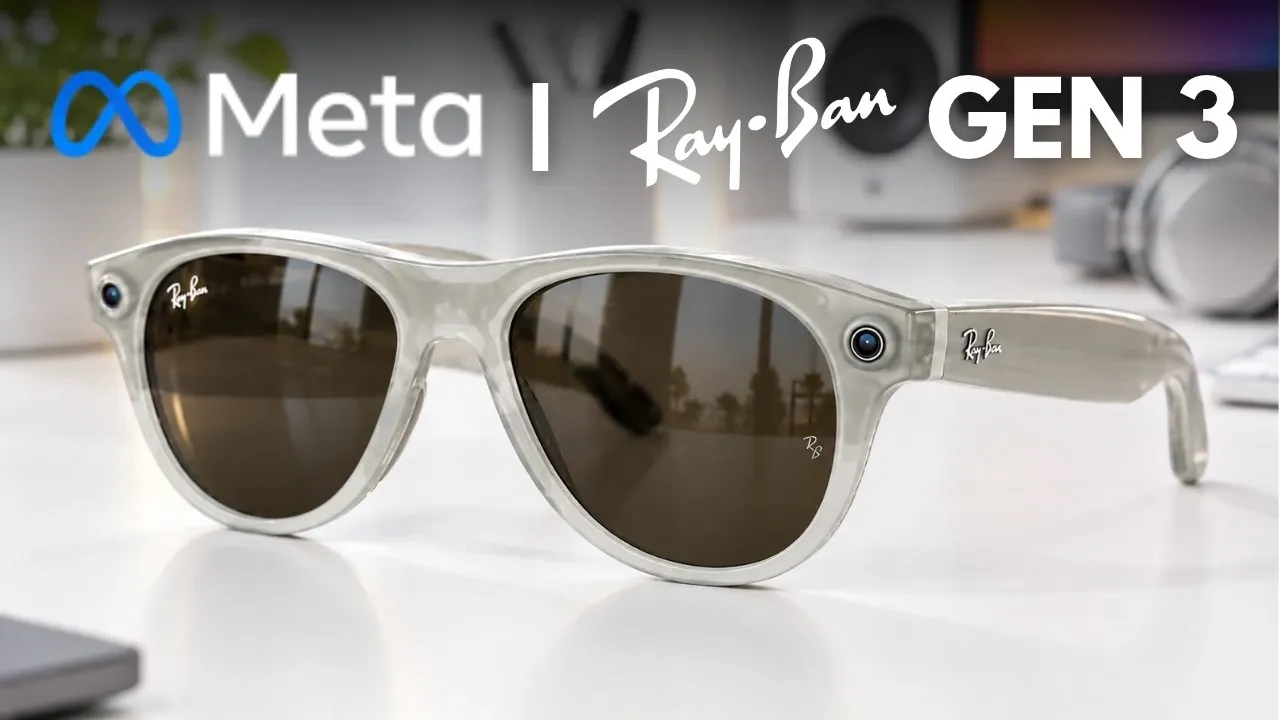
The Ray-Ban Meta Gen 3 smart glasses arrive with a sleeker design, improved audio and upgraded camera capabilities, but their $449 price tag raises questions about whether they offer enough value for existing users. Tech Court examines these updates in detail, noting changes like the smaller 12MP camera with dynamic photo functionality and slimmer frames that aim to balance style with practicality. While first-time buyers may find the enhancements appealing, the absence of landscape video recording and only modest battery improvements could leave Gen 2 users questioning the need to upgrade.
Explore how the Gen 3 glasses refine usability with features like a customizable physical action button and expanded frame options, including the new Aviator and Nina designs. Gain insight into the improved six-microphone audio system, Dolby Atmos integration and the introduction of camera-free audio glasses for privacy-conscious users. This breakdown provides a comprehensive look at whether these updates meet the expectations of both new and returning buyers.
Refined Design: Sleeker and More Comfortable
TL;DR Key Takeaways :
- The Ray-Ban Meta Gen 3 smart glasses feature a refined design with slimmer frames, adjustable temple tips and new frame styles, blending aesthetics with comfort and usability.
- Camera upgrades include a 12MP lens capable of 3K video and dynamic photo functionality, though the lack of landscape video recording may limit appeal for content creators.
- Audio enhancements include six microphones for improved noise reduction and planned Dolby Atmos support, catering to users seeking high-quality audio experiences.
- Battery life sees modest improvements, offering up to nine hours for standard models and 12 hours for camera-free audio glasses, which focus on privacy and audio functionality.
- Meta introduces camera-free audio glasses to address privacy concerns, while usability features like a customizable action button enhance the overall user experience.
Meta has made significant strides in improving the design of the Gen 3 glasses, focusing on aesthetics and comfort. Key design enhancements include:
- A 36% smaller camera and LED indicator, making the glasses more discreet and less intrusive.
- Slimmer frames and temples, giving the glasses a more traditional and stylish appearance.
- Adjustable temple tips to ensure a better fit for a wider range of users, enhancing overall comfort.
Additionally, Meta has expanded its style options by introducing two new frame designs, Aviator and Nina, alongside the classic Wayfarer. These updates cater to users who value both functionality and fashion, making the glasses more versatile for different preferences and occasions. The refined design demonstrates Meta’s commitment to blending technology with everyday usability.
Camera and Video: Incremental Upgrades
The Gen 3 glasses feature a 12MP camera capable of capturing 3K video, a notable improvement over previous models. The addition of dynamic photo functionality enhances the clarity and versatility of captured images, making it easier to document moments with precision. However, the absence of landscape video recording remains a limitation, particularly for users focused on creating video content. While these upgrades represent progress, they may not be compelling enough for Gen 2 users to justify an upgrade. For first-time buyers, however, the improved camera capabilities could be a strong selling point.

Gain further expertise in Ray-Ban Meta by checking out these recommendations.
- Ray-Ban Meta Gen 3 Upgrades Camera to 3K Resolution Video
- Meta’s Ray-Ban Gen 3 Smart Glasses to Feature Screenless Design
- Meta Connect 2026: Ray-Ban Meta Audio, Ray-Ban Meta Gen 3 and Compact VR Glasses
- Rokid vs Ray-Ban Meta : Which AI Glasses Win?
- Rokid Al Glasses vs Ray-Ban Meta : Which Should You Actually Buy?
- Are Ray-Ban Meta Gen 2 Smart Glasses Still Worth It 6 Months Later?
- Why These 5 Ray-Ban Meta Accessories Are Essential For 2026
- Meta’s New Smart Glasses Undercut Ray-Ban on Fit and Price
- Why Meta’s $299 Adventurer Smart Glasses Might Beat the $379 Ray-Bans
- Ray-Ban Meta Smart Glasses: The Ultimate 2026 Buying Guide
Audio Enhancements: A Step Forward
Audio performance has been meaningfully improved in the Gen 3 glasses, addressing a key area of user demand. Notable enhancements include:
- Six microphones, up from five in the previous generation, allowing better noise reduction and clearer phone calls.
- Planned Dolby Atmos audio capture, promising a richer and more immersive listening and recording experience.
These advancements make the glasses particularly appealing for users who prioritize high-quality audio, whether for music, voice recordings, or hands-free communication. The focus on audio quality positions the Gen 3 glasses as a versatile tool for both casual and professional use.
Battery Life: Modest Gains
Despite the slimmer and more compact design, the Gen 3 glasses offer slightly improved battery life. Users can expect up to nine hours of usage with the standard model, compared to eight hours in the previous generation. For those opting for the camera-free audio glasses, battery life extends to an impressive 12 hours, making them a practical choice for users focused on audio functionality. While the gains in battery life are modest, they contribute to the overall usability of the glasses, making sure they can support a full day of activity.
Camera-Free Audio Glasses: A New Direction
Meta’s introduction of camera-free Ray-Ban Meta audio glasses marks a strategic shift in its wearable offerings. These glasses are designed for users who prioritize privacy and audio functionality over camera features. Key highlights include:
- A focus on phone calls, music playback and seamless integration with Meta AI.
- Extended battery life of up to 12 hours, catering to users with audio-centric needs.
This new product option addresses growing privacy concerns while maintaining the core benefits of smart wearables. By offering a camera-free alternative, Meta broadens its appeal to users who may have been hesitant to adopt wearable cameras.
Enhanced Usability Features
The Gen 3 glasses introduce a customizable physical action button, allowing users to quickly access key features without relying on touchscreen controls. This addition enhances usability, particularly in dynamic or outdoor environments where touch controls may be less practical. Combined with improved controls and intuitive functionality, the glasses are designed to adapt to a variety of scenarios, from casual use to professional applications. These thoughtful usability features underscore Meta’s focus on creating a seamless user experience.
Privacy Considerations
The Gen 3 glasses incorporate design elements aimed at addressing privacy concerns, such as a smaller camera opening and an LED indicator light to signal recording. While these features make the glasses less conspicuous, they also raise questions about the ethics of wearable cameras. For users who prioritize privacy, the camera-free audio glasses provide a compelling alternative, offering the benefits of smart wearables without the potential invasiveness of a camera. Meta’s dual approach reflects an effort to balance innovation with user trust and ethical considerations.
Who Should Consider the Gen 3 Glasses?
The Ray-Ban Meta Gen 3 glasses are best suited for first-time buyers exploring the world of smart wearables. With their refined design, improved features and new product options, they offer an attractive entry point for users seeking a blend of style and functionality. However, for existing Gen 2 users, the incremental nature of the upgrades may not justify the $449 price tag. While the improvements are meaningful, they may not represent a significant leap forward for those already familiar with the previous generation.
Meta’s Vision for Wearable Technology
The Gen 3 glasses reflect Meta’s broader strategy to evolve its wearable technology offerings. By diversifying its product lineup with camera-free audio glasses, Meta is addressing a wider range of user preferences and needs. This approach aligns with the company’s focus on user-centric design, privacy-conscious innovation and practical functionality. The Gen 3 glasses signal a thoughtful progression in Meta’s wearable technology journey, paving the way for future advancements that cater to an increasingly diverse audience.
Media Credit: Tech Court
Disclosure: Some of our articles include affiliate links. If you buy something through one of these links, Geeky Gadgets may earn an affiliate commission. Learn about our Disclosure Policy.
