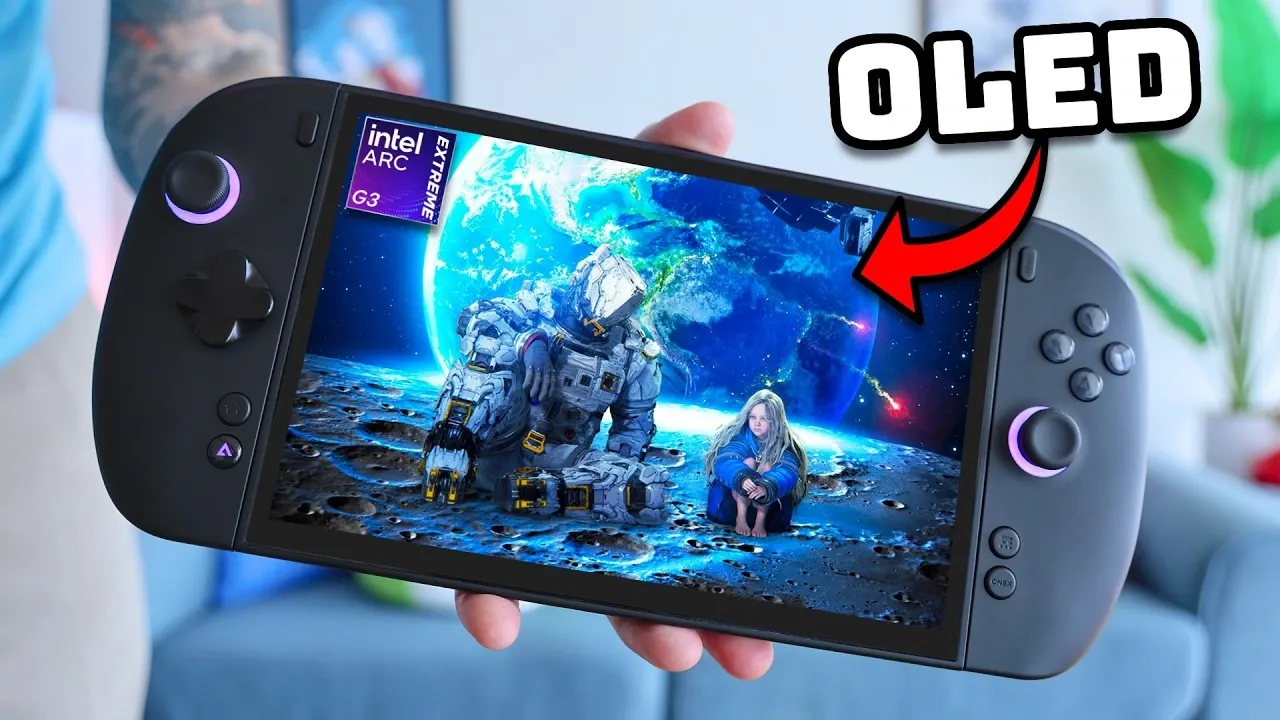
The OneXPlayer 3 combines an 8.8-inch OLED display with the Intel G3 Extreme chipset, positioning itself as a contender in the premium handheld gaming market. Retro Game Corps examines how its 1920×1200 resolution and 144Hz refresh rate contribute to a visually rich experience, particularly for modern and retro games, while also noting practical challenges such as its weight and occasional performance inconsistencies during demanding tasks like PS3 emulation. The review underscores the balance between its hardware strengths and software limitations, offering a detailed look at its real-world usability.
Dive into specific aspects of the OneXPlayer 3, including battery life, where its 85Wh capacity impacts gaming sessions and design considerations, such as the modular controllers that enhance flexibility but add bulk. Gain insight into its accessory ecosystem, which offers expanded functionality at the cost of added complexity and its pricing compared to similar devices. This assessment provides a clear framework for evaluating whether the OneXPlayer 3 aligns with your gaming needs.
OneXPlayer 3 Handheld Console
TL;DR Key Takeaways :
- The OneXPlayer 3 features an 8.8-inch OLED display with 1920×1200 resolution and a 144Hz refresh rate, delivering vibrant visuals and smooth motion for immersive gaming.
- Powered by the Intel G3 Extreme chipset with up to 32GB RAM, it offers strong performance for modern PC games but struggles with CPU-intensive tasks like PS3 emulation.
- The 85Wh battery provides 4-7 hours of typical gaming, but high-power usage can drain it in as little as 1.5 hours, making battery life a key consideration for portability-focused users.
- Its modular design with detachable controllers adds versatility, but the device’s heavy weight (up to 939g) and wobbly kickstand impact comfort and usability during extended sessions.
- While priced competitively at $1,400-$1,746, its limited software customization, heavy design and niche appeal may deter casual users, positioning it as a product for enthusiasts prioritizing display and performance.
Display: A Visual Powerhouse
The 8.8-inch OLED screen is the centerpiece of the OneXPlayer 3, boasting a resolution of 1920×1200 and a 144Hz refresh rate. This combination delivers vibrant colors, deep blacks, and smooth motion, making it ideal for both modern PC gaming and retro emulation. Shared with the Legion Go 2, the display is paired with a more powerful chipset in this device, giving it a performance edge. Whether you’re navigating expansive open-world environments or enjoying pixel-perfect retro titles, the screen ensures an immersive experience. The OLED technology also enhances contrast and color accuracy, making it a standout feature for gamers who value visual fidelity.
Performance: High Power, Mixed Results
Under the hood, the OneXPlayer 3 is powered by the Intel G3 Extreme chipset with B390 integrated graphics. It offers two configurations: a 24GB RAM option for budget-conscious users and a 32GB RAM variant for those seeking maximum performance. The device handles most modern PC games at native resolution with solid frame rates, making it a reliable choice for demanding titles. However, its integrated graphics show limitations during CPU-intensive tasks like PS3 emulation, where performance can become inconsistent. While it excels in many scenarios, gamers looking for flawless emulation or heavy multitasking may find the device less suitable for their needs.

Take a look at other insightful guides from our broad collection that might capture your interest in handheld game.
- $99 Android Handheld is a Retro Gaming Steal : Mangmi Air X
- What Happens When Handheld Consoles Rival Gaming Laptops In 2026
- RG56 Pro Max First Look & Performance Guide: What Runs Well & What Struggles
- Valve Finally Solves Long-Standing SteamOS Bugs in New Update
- Why WinEnhanced is the Ultimate Xbox App Alternative for Handheld Gamers
- RG35XX H mini handheld games console
- 2025 GPD Win Mini Review : The Powerful Gaming PC in Your Pocket
- Rebuilding a Game Gear from the 90s with a Raspberry Pi
- New Sony PS Vita Teardown
- Why Lenovo’s New 8.8-Inch Tablet is Secretly a Portable Gaming Console
Battery Life: A Balancing Act
Equipped with an 85Wh battery, the OneXPlayer 3 offers a larger capacity than most competitors in its class. Battery life, however, varies significantly based on usage. High TDP gaming can drain the battery in as little as 1.5 hours, while low-power tasks like streaming or light browsing can extend usage to an impressive 16 hours. For typical gaming sessions, you can expect 4 to 7 hours of playtime. While competitive within its category, the battery life may still fall short for extended gaming sessions without access to a power source. Gamers who prioritize portability should consider whether this trade-off aligns with their needs.
Design and Build: Versatile but Heavy
The OneXPlayer 3 features a modular design with detachable controllers that adopt an Xbox-style layout, offering flexibility for various play styles. However, its weight—779g without controllers and 939g with them—makes it one of the heaviest handhelds on the market. This impacts comfort during prolonged use, particularly for gamers who prefer extended handheld sessions. The soft matte plastic finish adds a premium touch but is prone to smudges and fingerprints, requiring frequent cleaning to maintain its appearance. Additionally, the wobbly kickstand raises concerns about stability during tabletop gaming, which detracts from its overall usability. While the design offers versatility, these drawbacks may affect the overall experience for some users.
Accessories: Expanding Functionality
A variety of accessories enhances the OneXPlayer 3’s versatility. A keyboard attachment transforms the device into a tablet or laptop-like setup, ideal for productivity tasks or casual browsing. A controller base with a built-in battery extends tabletop gaming sessions, while smaller, lightweight controllers provide a more portable option. These accessories expand the device’s functionality but also introduce compromises, such as increased weight or reduced portability. For users who value adaptability, these add-ons can be a worthwhile investment, though they may not appeal to those seeking a streamlined gaming experience.
Software: Falling Short of Expectations
The OneXPlayer 3 runs Windows 11, providing access to a wide range of PC games and applications. It also includes the 1X Console software, which allows for basic adjustments like TDP settings and RGB lighting customization. However, the software lacks advanced features such as performance profiles or detailed customization options, which are increasingly common in competing devices. This limitation may frustrate users who want to fine-tune the device for specific games or scenarios. For a product marketed as a premium gaming solution, the software feels underwhelming and outdated, leaving room for improvement in future iterations.
Pricing and Competition
The OneXPlayer 3 is priced between $1,400 and $1,746 for pre-orders, making it more affordable than competitors like the MSI Claw and Legion Go 2 with similar specifications. However, its high price point, combined with its weight and software limitations, positions it as a niche product aimed at enthusiasts rather than a mainstream option. For gamers who prioritize display quality and raw performance, the price may be justifiable, but casual users may find better value in other devices.
Key Drawbacks to Consider
While the OneXPlayer 3 offers impressive features, it also comes with notable drawbacks:
- Its heavy design and ergonomics make extended handheld use uncomfortable.
- Loud, clicky buttons and average audio quality fall short of expectations for a premium device.
- The RMA process is riskier compared to larger brands like MSI or ASUS, which could be a concern in case of hardware issues.
Final Thoughts
The OneXPlayer 3 stands out as a compelling option for gamers who prioritize visual excellence and performance. Its OLED screen, powerful chipset and versatile design make it a strong contender in the premium handheld gaming market. However, its weight, ergonomics, and limited software customization may deter some users. For enthusiasts willing to overlook these shortcomings, the OneXPlayer 3 delivers an impressive gaming experience that pushes the boundaries of what handheld devices can achieve.
Media Credit: Retro Game Corps
Disclosure: Some of our articles include affiliate links. If you buy something through one of these links, Geeky Gadgets may earn an affiliate commission. Learn about our Disclosure Policy.
