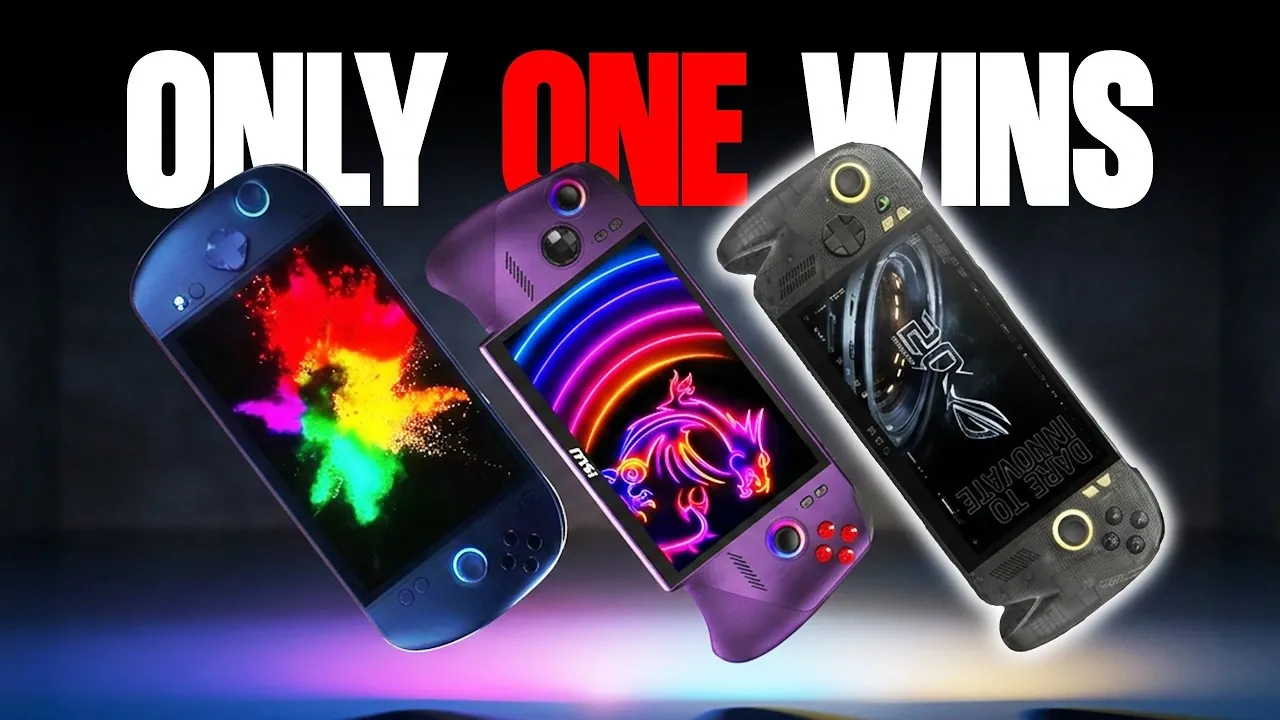
The handheld gaming market in 2026 is marked by rapid advancements, with manufacturers introducing devices that aim to enhance both performance and user experience. According to Tech Fowler, models like the ROG Xbox Ally X20 and MSI Claw 8 EX AI Plus are incorporating features such as OLED displays, AR integration and Intel’s Arc G3 Extreme architecture. For example, the Arc G3 Extreme chip offers up to 44% faster performance compared to AMD’s current options, allowing smoother gameplay and improved battery efficiency. These developments highlight a shift in focus toward balancing technical capabilities with practical usability.
Dive into this feature to understand the unique strengths and compromises of leading handheld gaming devices. Learn how the One XPlayer 3 integrates a versatile design with an 8.8-inch OLED display, or examine how the Acer Predator Atlas 8 combines affordability with competitive specifications. Gain insight into how manufacturers are tackling challenges like ergonomics and battery optimization while incorporating advanced features such as AR compatibility and high-refresh-rate screens.
Intel Arc G3 Extreme: Redefining Performance
TL;DR Key Takeaways :
- The handheld gaming market in 2026 is undergoing a major transformation with innovations like OLED displays, AR integration, detachable controllers and Intel’s Arc G3 Extreme architecture redefining portable gaming.
- Intel’s Arc G3 Extreme architecture delivers up to 44% faster performance compared to AMD’s offerings, significantly improving energy efficiency and battery life for handheld devices.
- Top devices of 2026 include the ROG Xbox Ally X20, MSI Claw 8 EX AI Plus, Acer Predator Atlas 8 and One XPlayer 3, each catering to different gamer preferences and budgets.
- Key trends include the integration of premium features such as AR glasses, high-refresh-rate displays and modular designs, though these advancements are driving up device costs.
- Battery life, ergonomics and affordability remain critical challenges, with manufacturers focusing on energy-efficient architectures and user-friendly designs to meet consumer demands.
Intel’s Arc G3 Extreme architecture has emerged as a fantastic force in the handheld gaming sector, directly challenging AMD’s long-standing dominance. This innovative chip architecture delivers remarkable improvements in performance per watt, significantly enhancing energy efficiency while extending battery life. According to Intel, the Arc G3 Extreme provides up to 44% faster performance compared to AMD’s current offerings, setting a new benchmark for portable gaming devices.
This leap in processing power is particularly impactful for graphically intensive games and AR applications, allowing smoother gameplay and more immersive experiences. By combining power and efficiency, the Arc G3 Extreme is poised to influence the design and capabilities of handheld devices for years to come.
The Top Handheld Gaming Devices of 2026
The year 2026 has seen the release of several standout handheld gaming devices, each tailored to meet diverse gamer preferences and budgets. Here’s an in-depth look at the leading contenders:
- ROG Xbox Ally X20: This premium device features a 7.4-inch OLED Nebula HDR display with a 120 Hz refresh rate, delivering vibrant visuals and ultra-smooth gameplay. Enhanced thermals, quieter operation and redesigned grips improve comfort during extended sessions. Additionally, bundled AR glasses provide a glimpse into the future of gaming. Priced at approximately $2,000, it caters to enthusiasts seeking top-tier performance and innovative design.
- MSI Claw 8 EX AI Plus: Powered by the Intel Arc G3 Extreme and offering up to 32 GB of RAM, this device is engineered for high-performance gaming. Its 8-inch IPS LCD display with a variable refresh rate (48–120 Hz) ensures fluid visuals, while ergonomic enhancements like deeper grips and advanced haptics elevate the gaming experience. At $1,699, it directly competes with gaming laptops in both performance and price.
- Acer Predator Atlas 8: Also equipped with the Intel Arc G3 Extreme, this device includes 24 GB of RAM and an 8-inch LCD display with a 120 Hz refresh rate. While its design is more understated, it offers a more affordable option, with pricing estimated between $1,000 and $1,300. The Atlas 8 is ideal for gamers seeking a balance between performance and cost without compromising on essential features.
- One XPlayer 3: This versatile device combines handheld, tablet and laptop functionality. It features an 8.8-inch OLED display with a 144 Hz refresh rate and HDR support, delivering stunning visuals. Detachable controllers and an optional keyboard attachment add flexibility, making it suitable for various use cases. However, its weight (900g) and high price range ($1,500–$2,500) may limit its appeal to niche audiences.

Take a look at other insightful guides from our broad collection that might capture your interest in gaming handhelds.
- Retroid Pocket 5: Game Emulation Performance and Features Tested
- How the Legion Tab Gen 5 Transforms From a Tablet to a Pro Console
- Can the MSI Claw A8 Handle Borderlands 4? AMD Z2 Extreme Performance Tested
- OneXPlayer G1 Review : Compact, Powerful and Versatile Portable
- Why the AI Boom Is Quietly Killing the Handheld Gaming Industry
- 2025 GPD Win Mini Review : The Powerful Gaming PC in Your Pocket
- Can a Handheld Beat Your Tower? GPD Win 5 Benchmarks Say Yes at 68W and 1440p
- ONEXPLAYER Super V : World’s First Panther Lake Gaming Tablet
- Acer Just Revealed Two Gaming Handhelds with Wildly Different Specs
- $99 Android Handheld is a Retro Gaming Steal : Mangmi Air X
Key Trends and Challenges
The handheld gaming industry in 2026 is marked by a shift toward premium features, with manufacturers integrating advanced technologies such as AR glasses, high-refresh-rate displays and modular designs with detachable controllers. These innovations are elevating the gaming experience but also driving up costs, with some devices now rivaling or even exceeding the price of traditional gaming laptops.
Battery life and ergonomics remain critical considerations for consumers. Gamers demand longer play sessions and greater comfort, especially during extended use. Manufacturers are responding by prioritizing energy-efficient architectures and user-friendly designs. Intel’s Arc G3 Extreme architecture exemplifies this trend, offering a blend of power and portability that addresses these consumer demands. However, balancing innovative features with affordability remains a challenge for the industry.
Which Device is Right for You?
With a variety of options available, selecting the right handheld gaming device depends on your individual needs and preferences. Here’s a quick guide to help you make an informed decision:
- Best for Mainstream Gamers: The ROG Xbox Ally X20 offers a polished design, reliable performance and innovative features, making it a strong choice for most users.
- Best Value: The Acer Predator Atlas 8 strikes an excellent balance between performance and affordability, provided its final pricing aligns with expectations.
- Most Innovative: The One XPlayer 3 stands out for its multi-functional design, appealing to gamers who value versatility and innovative technology.
- Premium Pick: The MSI Claw 8 EX AI Plus delivers top-tier performance and ergonomic enhancements, making it ideal for those seeking the best technology available.
The Road Ahead
The handheld gaming market in 2026 is defined by rapid innovation and fierce competition, with Intel’s resurgence playing a pivotal role in shaping the industry’s future. Whether you prioritize performance, affordability, or versatility, this year’s lineup of devices offers something for every type of gamer. As manufacturers continue to push the boundaries of portable gaming, the industry is set to deliver even more exciting advancements in the years to come.
Media Credit: Tech Fowler
Disclosure: Some of our articles include affiliate links. If you buy something through one of these links, Geeky Gadgets may earn an affiliate commission. Learn about our Disclosure Policy.
