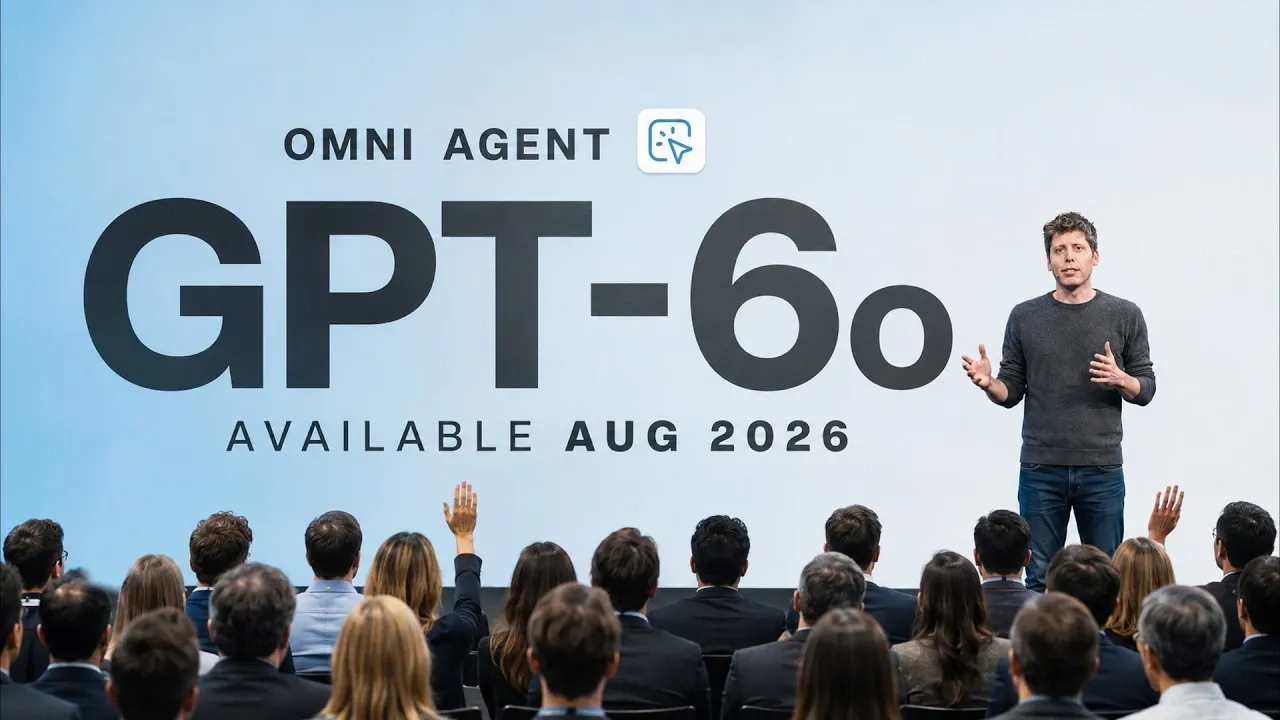
OpenAI’s recent decision to retire its GPT Omni models, including the widely utilized GPT-4o, signals a significant shift in the AI landscape. As detailed by AI Master, this move marks the end of the “Omni era” and highlights OpenAI’s pivot toward enterprise-focused solutions. The abrupt discontinuation of these models, without migration paths or direct replacements, has left businesses and developers reassessing their AI strategies. This transition underscores OpenAI’s commitment to prioritizing scalable and specialized offerings, such as the newly introduced GPT-5.6 suite, over consumer-oriented applications.
Explore how this strategic pivot is reshaping the competitive dynamics of the AI industry. You’ll gain insight into the enterprise-centric features of OpenAI’s Saul, Terra and Luna models, as well as the challenges faced by developers adapting to the absence of GPT Omni. Additionally, the overview examines how competitors like Google are capitalizing on the “Omni” branding to expand consumer offerings, creating a clear divide between enterprise and consumer AI markets. These developments provide a detailed look at the evolving priorities and strategies shaping the future of AI.
Why OpenAI Retired GPT Omni Models
TL;DR Key Takeaways :
- OpenAI has retired its GPT Omni models, including GPT-4o, signaling a strategic shift toward enterprise-focused AI solutions and ending the “Omni era.”
- The abrupt discontinuation of Omni models, without migration paths, has created challenges for businesses and developers, prompting a reassessment of AI strategies.
- OpenAI introduced GPT-5.6 with specialized models (Saul, Terra, Luna) tailored for enterprise needs, emphasizing advanced coding, tool integration and project management.
- Google has capitalized on OpenAI’s exit from the “Omni” space by expanding consumer-focused offerings like the Gemini Omni Flash tool for video content creation.
- The AI industry is becoming increasingly segmented, with companies like OpenAI focusing on enterprise solutions, while competitors like Google and ByteDance target consumer markets.
OpenAI’s abrupt decision to discontinue its GPT Omni models, including GPT-4o, custom GPTs and the Sora app, has left many users and developers searching for alternatives. The shutdown came without migration paths or replacement options, creating challenges for businesses that had integrated these tools into their workflows. This move reflects OpenAI’s deliberate strategy to streamline its product portfolio and focus on enterprise solutions.
For users who relied heavily on GPT Omni models, the lack of transitional support has necessitated a reassessment of AI strategies. OpenAI’s decision underscores its commitment to shifting away from consumer-oriented tools, signaling a broader realignment of its priorities. By retiring these models, OpenAI is making a clear statement: its future lies in developing scalable, high-value solutions tailored to enterprise needs.
OpenAI’s New Direction: Enterprise Solutions
In place of the retired Omni models, OpenAI has introduced GPT-5.6, a suite of three specialized models, Saul, Terra and Luna, designed to address the unique demands of enterprise clients. These models are integrated into the ChatGPT Work platform and focus on key functionalities such as advanced coding, seamless programmatic tool integration and efficient project management.
This shift aligns OpenAI with a growing industry trend: prioritizing enterprise clients over casual users. By focusing on businesses, OpenAI aims to deliver solutions that are not only scalable but also deeply integrated into organizational workflows. This strategic pivot positions OpenAI as a leader in enterprise AI innovation, setting it apart from competitors still vying for dominance in the consumer market.

Enhance your knowledge on ChatGPT by exploring a selection of articles and guides on the subject.
- GPT-5.6 Pro Leaks Expose a Massive Jump in AI Reasoning Power
- ChatGPT 5.6 vs Claude Mythos 5 : Leaks Reveal Two Very Different Futures for AI
- OpenAI Introduces ChatGPT 5.6 Sol, Terra and Luna Models
- What ChatGPT 5.6’S Delay Means for the Future of Open Source AI
- What the Leaked ChatGPT 5.6 Model Reveals About OpenAI’s Next Move
- ChatGPT 5.5 Instant Launches : Navigating Its Strengths and Weaknesses
- ChatGPT 5.6 vs Claude Fable 5: Which AI Actually Comes Out on Top?
- OpenAI’s GPT-5.6 Release is Triggering an AI Price War
- What to Expect from OpenAI’s GPT-5.6 Release in June 2026
- OpenAI’s Stealth Tests Reveal ChatGPT 5.6 Pro’s True Power
Google Steps Into the “Omni” Space
As OpenAI exits the “Omni” space, Google has seized the opportunity to expand its consumer-focused offerings. One notable example is its Gemini Omni Flash tool, a video generation platform designed for accessibility and ease of use. By integrating seamlessly with popular platforms like YouTube Shorts, Gemini Omni Flash enables users to create high-quality video content with minimal effort.
Google’s embrace of the “Omni” branding highlights its commitment to user-friendly, consumer-oriented AI solutions. This approach contrasts sharply with OpenAI’s enterprise-centric strategy, illustrating the divergent paths these tech giants are taking. While OpenAI focuses on meeting the complex needs of businesses, Google is doubling down on tools that cater to individual users and small businesses, further segmenting the AI market.
The Competitive AI Landscape
The retirement of OpenAI’s Omni models has intensified competition across the AI industry, particularly in the domains of video and image generation. Companies like ByteDance, Kwai Show and Runway are rapidly advancing in these areas, stepping in to fill the void left by OpenAI’s departure from visual AI. These companies are using their expertise to develop innovative tools that appeal to a broad audience, from content creators to small businesses.
Meanwhile, Anthropic has chosen a different path, focusing on reasoning and document workflows rather than competing in the “Omni” space. This diversity of strategies highlights the increasingly specialized nature of the AI industry. As companies carve out their niches, the competitive landscape is becoming more fragmented, with each player targeting specific market segments.
What’s Next for GPT-6?
Speculation surrounding OpenAI’s next major release, GPT-6, suggests it could represent a significant leap forward in AI capabilities. Potential advancements include long-term memory, autonomous agents capable of independent decision-making and an expanded token context window of up to 2 million tokens. These features, if realized, could redefine the boundaries of what AI systems can achieve, opening up new possibilities for both enterprise and consumer applications.
OpenAI’s decision to delay the release of GPT-6 indicates a cautious approach aimed at making sure the technology meets high expectations. By taking the time to refine its next offering, OpenAI is likely positioning GPT-6 to set a new benchmark for AI innovation, further solidifying its leadership in the enterprise sector.
Consumer vs Enterprise AI: A Growing Divide
OpenAI’s pivot toward enterprise solutions reflects a broader trend within the AI industry. Many companies are prioritizing scalable, high-value applications for businesses, leaving the consumer market to competitors like Google and ByteDance. These companies are investing heavily in user-friendly tools, particularly in video and content generation, to capture the attention of individual users and small businesses.
This growing specialization underscores the divergence between enterprise-focused and consumer-oriented strategies. As companies refine their focus, the AI industry is becoming increasingly segmented, with each player targeting distinct audiences and use cases. This segmentation is likely to shape the future of AI development, driving innovation in both enterprise and consumer markets.
Key Takeaways for Developers
For developers navigating this rapidly evolving landscape, adaptability is crucial. The pace of change in the AI industry, coupled with shifting priorities among major players, demands a proactive and flexible approach. To stay competitive and capitalize on emerging opportunities, consider the following strategies:
- Stay informed about the latest advancements in AI technology and industry trends to anticipate future developments.
- Expand your skill set by exploring new tools and platforms, making sure you remain versatile and prepared for changing market demands.
- Align your projects with the needs of your target audience, whether they are enterprise clients or individual users, to maximize impact and relevance.
- Be ready to pivot as the market evolves, embracing new opportunities and adapting to shifts in the competitive landscape.
By remaining agile and forward-thinking, developers can position themselves for success in an industry that is both dynamic and increasingly specialized. Understanding the trends and aligning with the right opportunities will be key to thriving in this new era of AI innovation.
Media Credit: AI Master
Disclosure: Some of our articles include affiliate links. If you buy something through one of these links, Geeky Gadgets may earn an affiliate commission. Learn about our Disclosure Policy.
