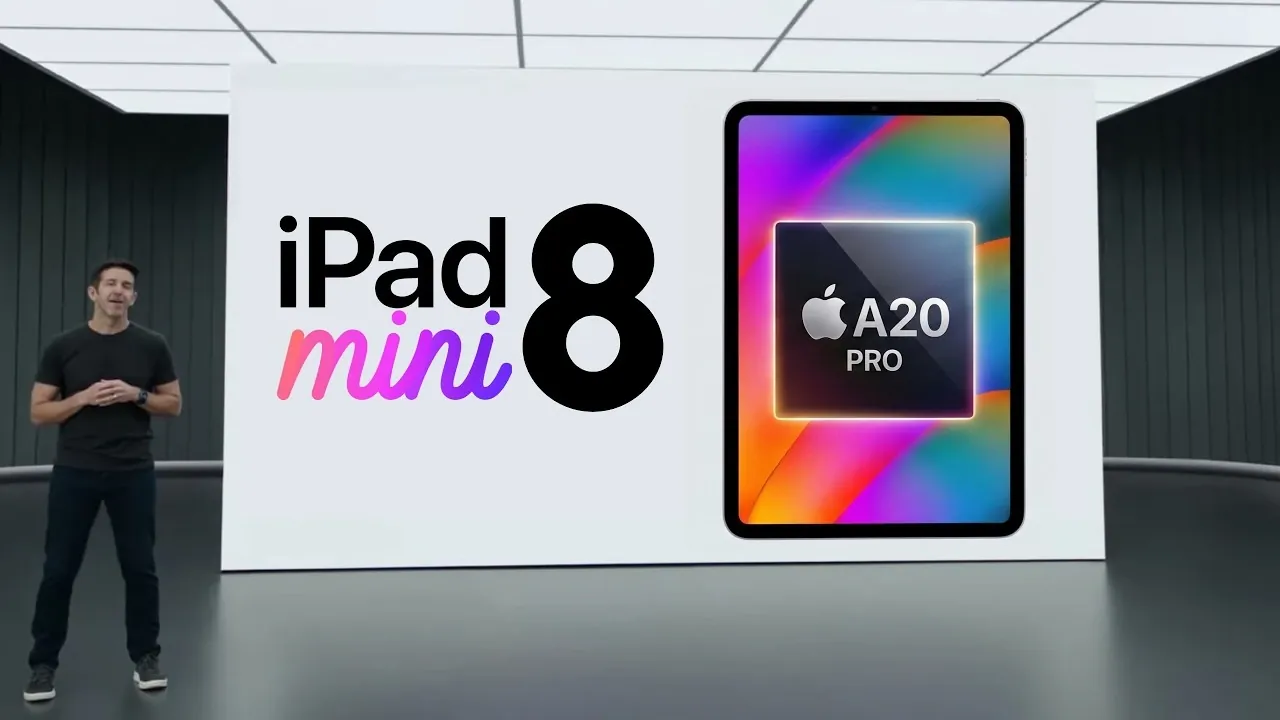
The iPad Mini 8 has captured widespread attention, with leaks and rumors suggesting notable upgrades such as an OLED display and the advanced A20 Pro chipset. These features signal a potential leap forward in performance and visual quality. However, Apple’s decision to retain a 60 Hz refresh rate instead of adopting the smoother 120 Hz ProMotion technology has sparked debate. While the OLED display promises enhanced visuals and energy efficiency, the lack of a higher refresh rate raises questions about whether the device can justify its premium price tag. The video below from SaranByte gives us more details on the rumored iPad Mini.

Display: A Double-Edged Sword
The iPad Mini 8 is rumored to feature an 8.4-inch LTPS OLED display, a significant upgrade from the LCD screens used in previous models. OLED technology is known for its deeper contrast, vivid colors, and improved energy efficiency, making it ideal for activities such as streaming, gaming and creative work. This enhancement could elevate the overall user experience, particularly for those who prioritize high-quality visuals.
However, the decision to stick with a 60 Hz refresh rate is a notable drawback. Many users had anticipated the inclusion of Apple’s ProMotion technology, which offers a 120 Hz refresh rate for smoother scrolling, more responsive touch interactions and an overall fluid display experience. This omission could make the iPad Mini 8 feel less competitive, especially when compared to Apple’s other devices, such as the iPad Pro, or even similarly priced Android tablets that already offer higher refresh rates. For a device positioned in the premium category, this choice may leave some users questioning its value.
Performance: Power Meets Efficiency
At the heart of the iPad Mini 8 lies the rumored A20 Pro chipset, built on TSMC’s innovative 2nm process. This next-generation processor is expected to deliver substantial improvements in both performance and energy efficiency, making the device well-suited for demanding tasks such as video editing, gaming, and multitasking. The 2nm architecture also promises better thermal management, making sure sustained performance during intensive use.
With 12 GB of RAM, the iPad Mini 8 could unlock advanced AI-driven features, including real-time language translation, personalized voice synthesis, and enhanced on-device dictation. These capabilities are likely to appeal to professionals and tech enthusiasts who rely on powerful tools for productivity and creativity. The combination of innovative hardware and AI integration positions the iPad Mini 8 as a versatile device capable of handling a wide range of applications. However, the absence of ProMotion may detract from the overall experience, particularly for users who value display fluidity in high-performance devices.
Design: Familiar Yet Functional
The iPad Mini 8 is expected to retain the flat-edged design introduced in its predecessor, along with slim bezels and a compact form factor. These design elements contribute to the device’s portability and ease of use, making it an attractive option for users who prioritize convenience. The continued inclusion of Touch ID offers a reliable and familiar biometric authentication method, which many users still prefer over Face ID.
One rumored enhancement is the addition of vibration-based speakers, which could deliver richer audio through haptic feedback. This feature has the potential to enhance the multimedia experience, particularly for activities like watching movies or playing games. However, while these refinements are practical, they may not feel fantastic for users hoping for a more dramatic redesign. The overall design philosophy appears to focus on incremental improvements rather than bold innovation, which could leave some users underwhelmed.
Pricing: A Premium Without ProMotion?
The iPad Mini 8 is rumored to start at $699, placing it firmly in the premium category. At this price point, many consumers might expect features like a 120 Hz refresh rate, especially since ProMotion is already available in other Apple devices. The absence of this feature could make the iPad Mini 8 feel less competitive, particularly when compared to Android tablets that offer similar or superior specifications at comparable prices.
This pricing strategy raises questions about Apple’s approach to product segmentation. By omitting certain features, such as ProMotion, Apple may be deliberately creating a gap between the iPad Mini and the iPad Pro to justify the latter’s higher price. While this strategy may make sense from a business perspective, it could frustrate buyers who expect a more comprehensive feature set at this price tier. The lack of ProMotion, combined with the premium pricing, could lead some potential customers to explore alternative options.
Longevity: A Question of Future-Proofing
Apple’s reputation for long software support cycles adds another layer of complexity to the iPad Mini 8’s feature set. The decision to stick with a 60 Hz refresh rate could become more significant over time, as display technology continues to advance. If the iPad Mini 8 remains unchanged for several years, the absence of ProMotion may become increasingly noticeable, potentially impacting its long-term appeal.
The device’s position within Apple’s product lineup also raises questions about its target audience. While the iPad Mini 8 offers premium features like the A20 Pro chipset and OLED display, the lack of a higher refresh rate may alienate power users who expect a more comprehensive package. On the other hand, casual users who prioritize portability and basic functionality may find the device appealing, provided they are willing to overlook the absence of ProMotion.
What Lies Ahead?
It’s important to note that the details surrounding the iPad Mini 8 are based on leaks and rumors and Apple could still revise its specifications before the official release. There is a possibility that manufacturing flexibility in display technology could allow for the inclusion of a higher refresh rate, though this remains speculative. Until Apple confirms the final specifications, the iPad Mini 8’s value proposition will remain a topic of debate.
For now, the iPad Mini 8 appears to be a device that balances performance and portability, with notable improvements in hardware and AI capabilities. However, the decision to forego ProMotion could limit its appeal, particularly among users who prioritize innovative display technology. As the release date approaches, potential buyers will need to weigh the device’s strengths against its compromises to determine whether it meets their needs and expectations.
Learn more about OLED display with other articles and guides we have written below.
- Apple’s 4 Leaked MacBooks: Is It Game Over for Windows Laptops?
- 7 New Leaks Just Revealed the Future of the OLED MacBook Pro M6
- Leaked: Apple’s M6 OLED MacBook Pro is the Redesign We’ve Been Waiting For
- Samsung Galaxy S26 Ultra: Is It Worth The Wait?
- Alienware’s Giant Gaming Monitor
Source & Image Credit: SaranByte
Disclosure: Some of our articles include affiliate links. If you buy something through one of these links, Geeky Gadgets may earn an affiliate commission. Learn about our Disclosure Policy.
