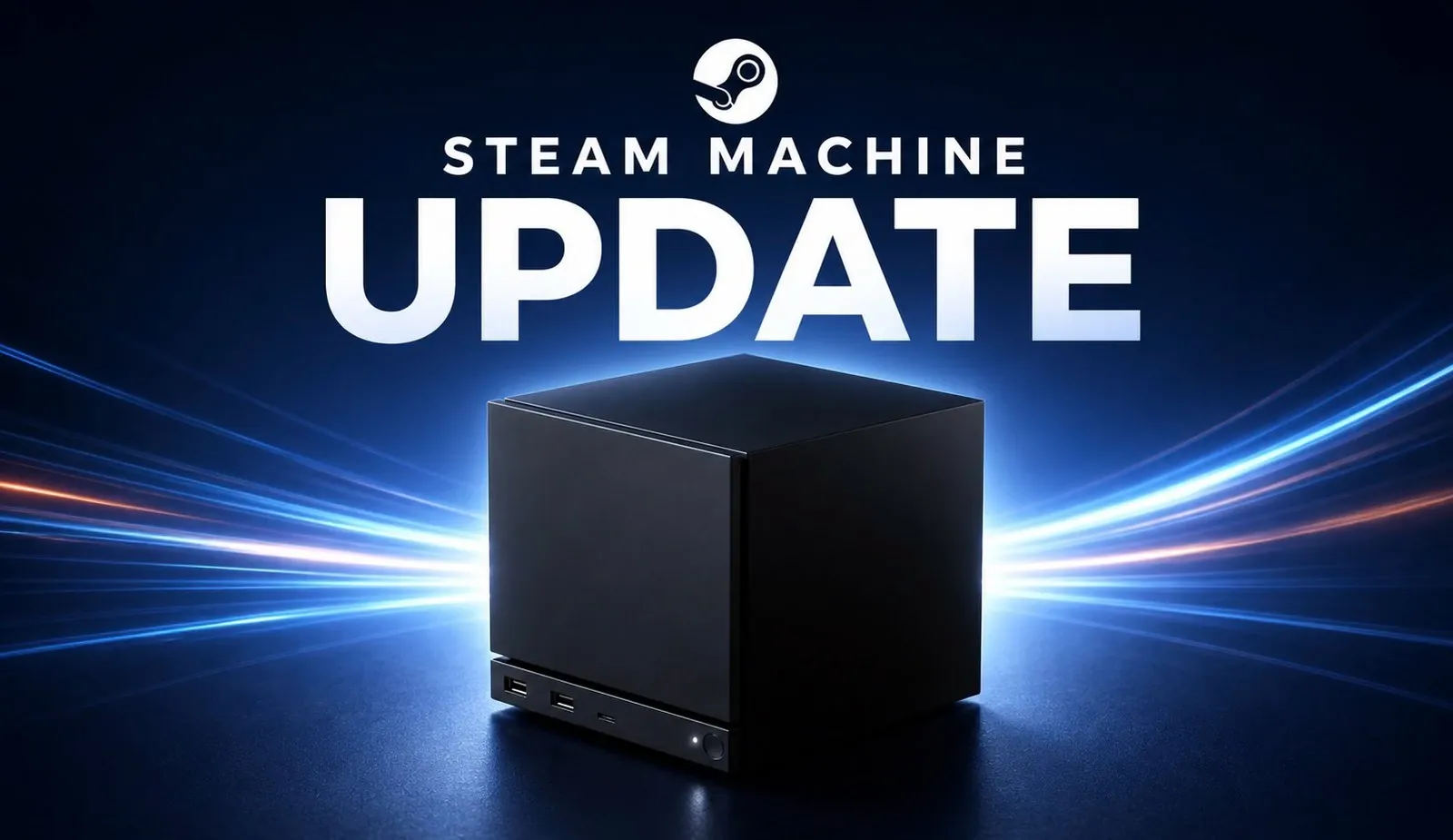
Valve’s Steam Machine is shaping up to be a significant development in gaming hardware, aiming to bridge the gap between consoles and custom-built PCs. Designed to integrate seamlessly with Steam OS, the device promises consistent performance across both TV and desktop setups. Deck Ready highlights key advancements, such as enhanced controller functionality and standardized game setting presets, which address longstanding issues with Steam OS setups. However, challenges like rising component costs and global shipping disruptions could influence its market reception, making Valve’s strategic decisions critical in the coming months.
Dive into this analysis to understand how the Steam Machine could reshape gaming experiences. Explore the potential impact of its pricing strategy, the importance of its hardware-software integration and the implications of its optimized performance for different gaming environments. Gain insight into how these factors might determine whether the Steam Machine can carve out a niche in the competitive gaming hardware landscape.
What is the Steam Machine?
TL;DR Key Takeaways :
- Valve is progressing toward the release of the Steam Machine, aiming to bridge the gap between gaming consoles and custom-built PCs with seamless Steam OS integration.
- The Steam Machine promises enhanced features like improved controller functionality, standardized game settings and optimized performance for both TV and desktop gaming setups.
- Pricing remains a challenge, with estimates ranging from $700 to $800, influenced by rising component costs and a global RAM shortage.
- Valve’s market strategy focuses on using its Steam ecosystem to offer a competitive, high-performance gaming device while balancing affordability and innovation.
- The Steam Machine’s success hinges on addressing logistical challenges, refining Steam OS and meeting gamer expectations for performance, convenience and timely delivery.
The Steam Machine is Valve’s innovative attempt to bridge the gap between traditional gaming consoles and custom-built PCs. Designed to work seamlessly with Steam OS, it aims to deliver a smoother and more intuitive gaming experience. Whether you prefer gaming on a large TV in your living room or a desktop setup, the Steam Machine is engineered to provide consistent performance across both environments. By focusing on hardware-software integration, Valve seeks to offer a compelling alternative to existing gaming solutions, catering to gamers who value both convenience and high performance.
Key Features and Improvements
The Steam Machine is expected to address several longstanding issues that have hindered Steam OS setups in the past. These improvements include:
- Enhanced controller functionality, including improved wake-up features for a more seamless user experience.
- Standardized game setting presets to ensure consistent performance across a wide range of titles.
- Optimized performance for both TV and desktop gaming environments, reducing technical hiccups and improving overall reliability.
For you as a gamer, these enhancements mean fewer interruptions and a smoother transition between different gaming setups, whether you’re playing on a couch or at a desk.

Become an expert in Steam Machine with the help of our in-depth articles and helpful guides.
- Valve Steam Machine Update: RAM Stabilizes, Software Expands
- Valve Hardware Shipments Signal 2026 Steam Machine Release
- Steam Machine Update : Pricing Delays & What Valve Can Do Next
- How Valve’s 2026 Linux Update Improves 8GB VRAM Gaming
- Steam Machine 2026 Launch Plan Amid Component Shortages
- AI Hyperscalers Driving up Steam Machine Prices
- Leaked Specs and Pricing for Valve’s Next-Gen Steam Controller
- Steam Machine Price Forecast Rises to $750–$800 Range
- Valve Steam Machine Release Window Set for Before June 2026
- Steam Machine Emulation Guide: 4K Upscaling and Older Consoles
The Pricing Dilemma
One of Valve’s most pressing challenges is determining the right price point for the Steam Machine. Internal discussions reportedly focus on whether to sell the device at a loss initially to compete with custom-built PCs and traditional gaming consoles. Current estimates suggest a price range of $700 to $800, but rising component costs, driven in part by the global RAM shortage, could push this figure higher.
For you, affordability will likely play a critical role in deciding whether the Steam Machine is worth the investment. While it promises innovation and convenience, its price must remain competitive to attract a broad audience. Valve’s ability to balance cost with value will be a key factor in determining the device’s market success.
Valve’s Market Strategy
Valve’s strategy appears to revolve around using its extensive Steam ecosystem to offset potential losses from hardware sales. By maintaining a consumer-friendly price, the company aims to attract gamers who might otherwise opt for custom-built PCs or traditional consoles. This approach could position the Steam Machine as a unique offering in the gaming hardware market, combining affordability, performance and innovation.
For you, this strategy could translate into access to a high-performance gaming device that eliminates the complexity of building a custom PC. If Valve succeeds in executing this plan, the Steam Machine could carve out a distinct niche in the competitive gaming hardware landscape.
Steam OS and Hardware Integration
Steam OS has undergone significant development, but minor refinements are still necessary to ensure optimal performance. The Steam Machine is designed to address these gaps, offering a more cohesive and user-friendly experience. Whether you’re gaming on a TV or a desktop, the device’s tight integration between hardware and software promises consistent and reliable performance.
This focus on integration is crucial in meeting the expectations of modern gamers, who demand both convenience and high performance. For you, this means a gaming experience that feels seamless and intuitive, without the technical challenges often associated with custom-built PCs.
What Gamers Expect
As a gaming enthusiast, you likely expect the Steam Machine to be more than just another gaming device. Valve is positioning it as a versatile tool that could also serve as a productivity device, appealing to a broader audience. However, meeting these expectations will require Valve to strike the right balance between pricing, performance and timely delivery.
The ongoing global shipping crisis adds another layer of complexity, making it essential for Valve to manage logistics effectively. For you, this means that the availability and timely delivery of the Steam Machine could play a significant role in shaping your perception of its value.
Why the Steam Machine Matters
The Steam Machine represents a bold step for Valve as it ventures deeper into the gaming hardware market. Its success could solidify the company’s reputation as a leader in hardware-software integration and set a new standard for gaming devices. For you, the Steam Machine offers the promise of a more seamless and enjoyable gaming experience, combining the best aspects of consoles and PCs.
However, the device’s ultimate value will depend on how well Valve navigates the challenges ahead. Balancing affordability, performance and user experience will be critical in making sure its success. If Valve can deliver on these fronts, the Steam Machine could become a pivotal product in the evolution of gaming hardware.
Media Credit: Deck Ready
Disclosure: Some of our articles include affiliate links. If you buy something through one of these links, Geeky Gadgets may earn an affiliate commission. Learn about our Disclosure Policy.
