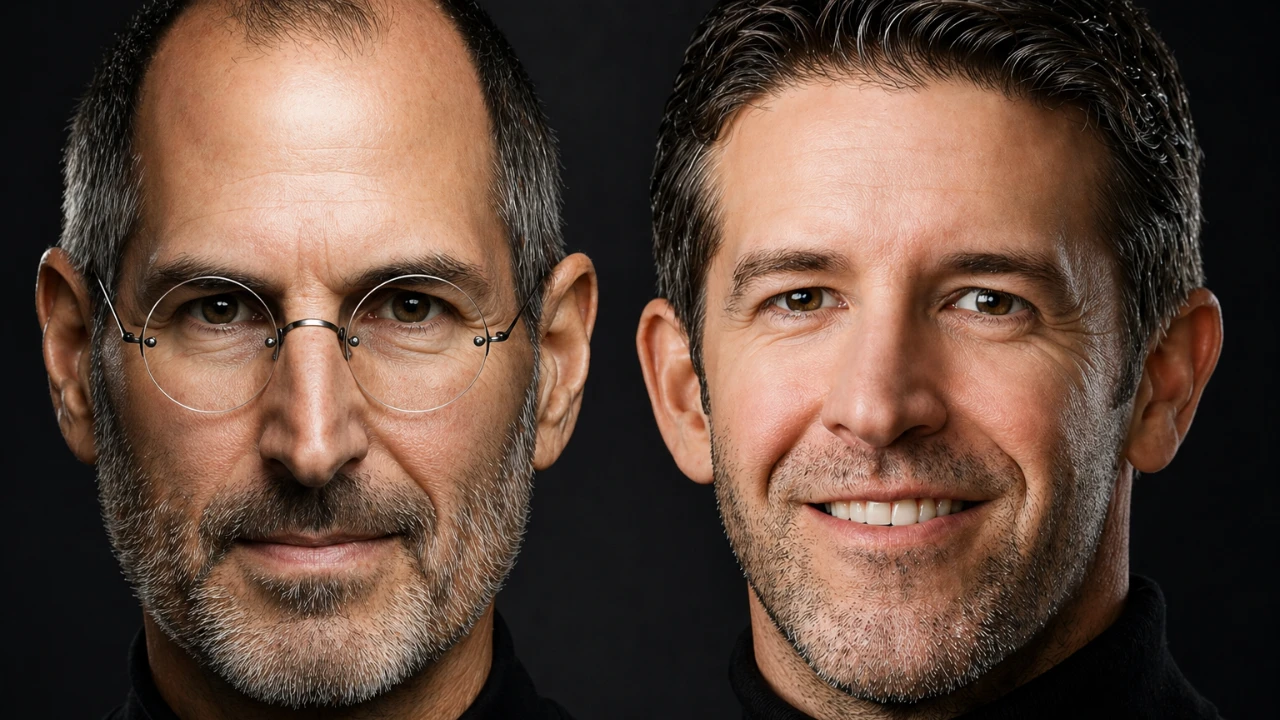
Apple is navigating a fantastic period as Tim Cook steps down after a 15-year tenure that elevated the company to a $4 trillion valuation. John Ternus, a 25-year Apple veteran and former Vice President of Hardware Engineering, has been appointed as the new CEO. His promotion signals a shift toward bold hardware innovation, a hallmark of Apple’s earlier years under Steve Jobs. Complementing this leadership change, Johnny Srouji, the architect behind Apple Silicon, assumes the newly created role of Chief Hardware Officer. Together, Ternus and Srouji aim to redefine Apple’s trajectory by focusing on risk-taking and delivering new products that align with evolving consumer demands. The video below from GregsGadgets gives us more details on what Apple may have planned for the future.

Tim Cook’s Legacy: Operational Excellence and Steady Growth
Tim Cook’s leadership was characterized by operational brilliance and a focus on incremental innovation. His tenure saw Apple transform supply chain management, allowing the company to scale production efficiently and meet surging global demand. Under Cook’s guidance, Apple launched iconic products such as the Apple Watch and AirPods, solidifying its dominance in the wearables market. These successes contributed to Apple’s unprecedented financial growth and global influence.
However, Cook’s era was not without challenges. Products like the HomePod and the Apple Vision Pro received mixed reviews, raising questions about Apple’s ability to innovate beyond its core strengths. While Cook leaves behind a legacy of stability and operational excellence, his departure introduces uncertainty about whether Apple can sustain its momentum in an increasingly competitive tech landscape.
John Ternus: A Bold New Direction
John Ternus’ elevation to CEO represents a strategic pivot for Apple. Known for his hardware-first philosophy, Ternus is expected to prioritize innovation and embrace calculated risks, a leadership style reminiscent of Steve Jobs. His extensive experience in hardware engineering positions him as a visionary leader capable of steering Apple into uncharted territories.
Central to this new direction is Ternus’ collaboration with Johnny Srouji, now Chief Hardware Officer. Srouji’s expertise in chip design and performance optimization has been instrumental in the success of Apple Silicon, which powers the company’s flagship devices. Together, Ternus and Srouji are poised to redefine Apple’s product strategy, focusing on innovative technologies and user-centric designs that push the boundaries of what is possible.
Upcoming Innovations: A Glimpse into Apple’s Future
Under Ternus’ leadership, Apple is preparing to unveil a series of ambitious products that could reshape its portfolio and redefine consumer expectations. Key initiatives include:
- Foldable iPhone: A high-risk venture that has the potential to transform the smartphone market by introducing a new form factor for Apple.
- iPhone Air and iPhone 18 Pro: Devices designed to cater to diverse consumer needs, offering a balance of affordability and premium features.
- MacBook Neo: A budget-friendly laptop aimed at making Apple’s ecosystem more accessible to a broader audience. This has already become a very popular device for Apple.
Beyond these flagship products, Apple is exploring entirely new categories. Rumored developments include a touchscreen OLED MacBook Pro with cellular connectivity, AI-powered smart glasses, and advanced wearables. These innovations underscore Apple’s commitment to integrating artificial intelligence into its ecosystem, enhancing user experiences across devices, and creating seamless interactions.
Expanding Horizons: Apple’s Future Product Roadmap
Apple’s product roadmap reflects a willingness to venture into uncharted territory, with a focus on diversification and innovation. Upcoming developments include:
- AI-Integrated AirPods: Enhancing audio experiences with intelligent features such as adaptive soundscapes and real-time language translation.
- Smart Home Devices: Security cameras, pendants, and tabletop robots designed to simplify and enhance daily life.
- Home Robotics: Smart displays and robotic assistants aimed at redefining the smart home market by offering intuitive and interactive solutions.
While these initiatives promise to expand Apple’s offerings, they also present challenges. The potential for product overlap, reminiscent of the iPod era’s sprawling lineup, could lead to market confusion. Striking a balance between innovation and clarity will be critical to maintaining Apple’s reputation for streamlined, user-friendly products.
Challenges in Artificial Intelligence
Despite its dominance in hardware, Apple faces significant challenges in the realm of artificial intelligence. Competitors such as Google and Microsoft have established themselves as leaders in AI, using their expertise to develop advanced technologies and services. In contrast, Apple’s AI capabilities, while improving, remain underwhelming in comparison. This disparity poses a risk as Apple ventures into AI-driven product categories, where success depends on delivering innovative, reliable technologies.
To bridge this gap, Apple must invest heavily in AI research and development, focusing on creating innovative solutions that seamlessly integrate with its ecosystem. The company’s ability to compete in this space will be a critical factor in determining its future success.
Risk-Taking Leadership: A Return to Boldness
John Ternus’ leadership style marks a departure from Tim Cook’s measured, efficiency-focused approach. Ternus is known for his decisiveness and willingness to take risks, a mindset that aligns with Steve Jobs’ philosophy of prioritizing bold ideas over incremental improvements. This shift in leadership could accelerate Apple’s ability to bring innovative products to market, but it also increases the stakes for potential failures.
Ternus’ approach will test Apple’s capacity to balance ambition with execution. By fostering a culture of creativity and experimentation, he aims to position Apple as a leader in both hardware innovation and AI integration. However, the success of this strategy will depend on the company’s ability to navigate the challenges of a rapidly evolving tech landscape.
Vision for the Future: Innovation and Risk
As Apple embarks on this new chapter, John Ternus envisions a company that leads in both hardware innovation and artificial intelligence. His strategy emphasizes exploring new opportunities and redefining user experiences, making sure Apple remains at the forefront of technological advancement. With Johnny Srouji’s expertise complementing his vision, Ternus aims to deliver products that not only meet but exceed consumer expectations.
While challenges lie ahead, particularly in AI and high-cost product categories, Ternus and his team are committed to pushing the boundaries of innovation. This leadership transition represents a defining moment for Apple, offering the potential to usher in a new era of technological breakthroughs and market leadership. If successful, Ternus’ bold approach could solidify Apple’s position as a trailblazer in the tech industry, shaping the future of technology for years to come.
Source: GregsGadgets
Disclosure: Some of our articles include affiliate links. If you buy something through one of these links, Geeky Gadgets may earn an affiliate commission. Learn about our Disclosure Policy.
