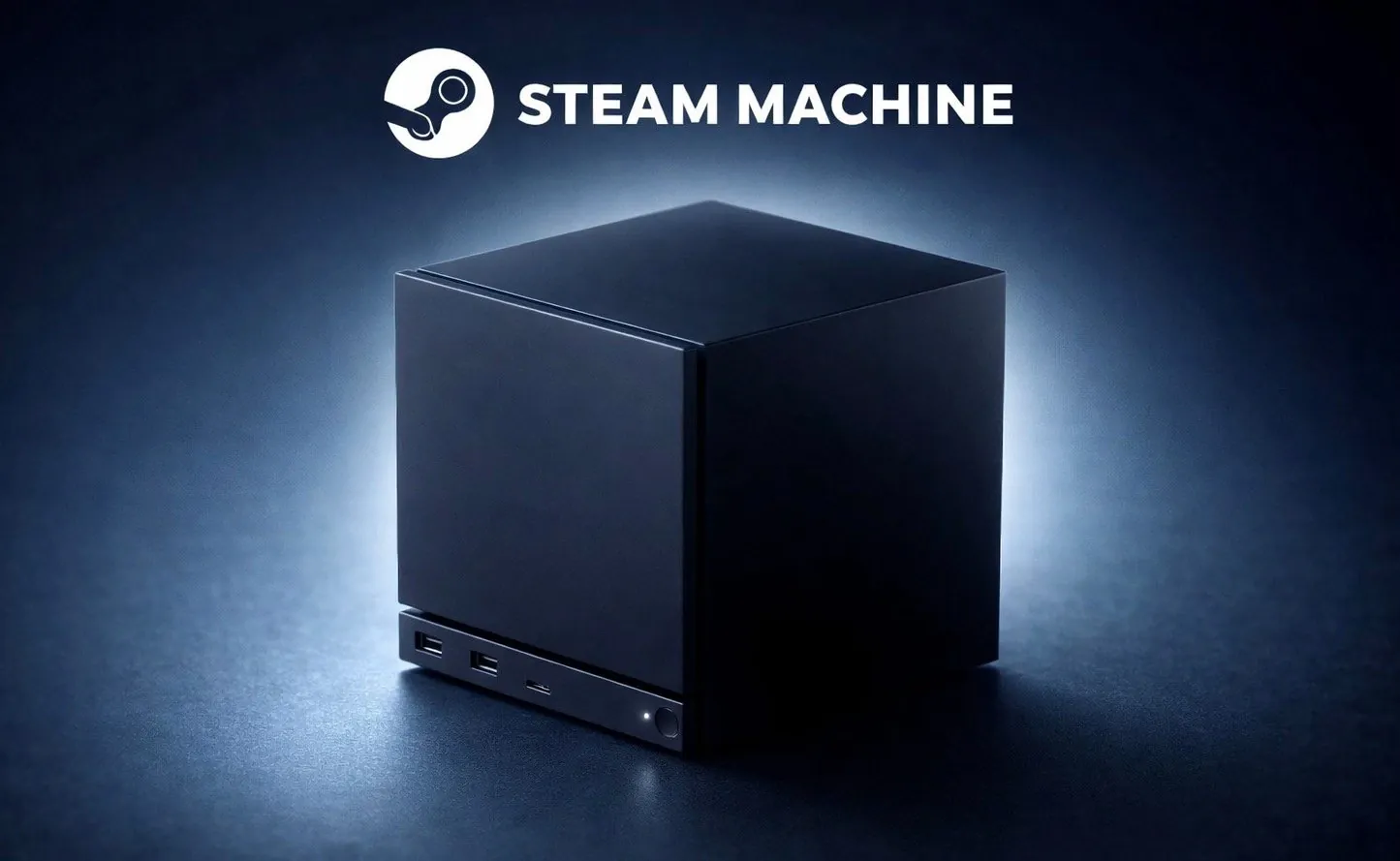
Valve has made significant strides in resolving the longstanding performance issues tied to the Steam Machine, particularly for systems constrained by limited VRAM. As highlighted by Deck Ready, the company’s latest update focuses on optimizing VRAM allocation, a critical step in reducing stuttering and improving frame pacing. By introducing kernel-level changes to the Linux operating system, Valve has successfully minimized reliance on slower system RAM, which had previously caused bottlenecks in graphically demanding games. This approach not only enhances the Steam Machine’s performance but also benefits other Linux-based systems with similar hardware limitations, offering a smoother and more consistent gaming experience.
Explore how these advancements extend beyond the Steam Machine to impact devices like the Steam Deck, where Valve has collaborated with developers to optimize games such as Pragmata and Replaced. Gain insight into the practical outcomes of these updates, from stable frame rates to scalable graphics settings tailored for handheld gaming. Additionally, the feature examines speculation surrounding the potential return of the Steam Controller, a device known for its trackpads and gyro controls, and its implications for Valve’s broader hardware strategy. These developments underscore the company’s commitment to refining gaming experiences through thoughtful software solutions.
How Valve Solved the VRAM Bottleneck
TL;DR Key Takeaways :
- Valve has significantly improved gaming performance on the Steam Machine and similar Linux-based systems by optimizing VRAM allocation, reducing stuttering and enhancing frame pacing.
- The update addresses performance bottlenecks caused by limited VRAM (often 8 GB) by introducing kernel-level changes to prioritize faster memory over slower system RAM.
- Valve has extended these optimizations to the Steam Deck, collaborating with developers to fine-tune new titles like “Pragmata,” “Mouse PI for Hire,” and “Replaced” for consistent performance on the handheld device.
- Speculation is growing about the potential return of the Steam Controller, which could reintroduce its unique features like trackpads and gyro controls, catering to gamers seeking versatile input options.
- Valve’s focus on software optimization over hardware upgrades demonstrates a consumer-friendly approach, extending hardware lifespans and promoting a more sustainable and inclusive gaming ecosystem.
For users experiencing stuttering or inconsistent frame rates on their Steam Machines, Valve’s latest update offers a practical solution. The core issue stemmed from the Steam Machine’s limited VRAM, often restricted to 8 GB. This limitation forced games to rely on slower system RAM, also known as Graphics Translation Table (GTT) memory, which frequently caused performance bottlenecks in graphically intensive games.
Valve addressed this challenge by introducing kernel-level changes to the Linux operating system. These updates ensure that VRAM is utilized more efficiently, prioritizing faster memory for gaming applications. By reducing the dependency on system RAM, Valve has successfully minimized stuttering and improved frame pacing. The result is a smoother and more immersive gaming experience, not only for Steam Machine users but also for other Linux-based systems with similar hardware limitations. This solution underscores Valve’s commitment to optimizing performance through software innovation rather than relying solely on hardware upgrades.
Impact on the Steam Deck and Optimized Games
Valve’s dedication to enhancing gaming performance extends beyond the Steam Machine to its popular handheld device, the Steam Deck. The company has worked closely with developers to optimize several new titles specifically for the Steam Deck, showcasing the synergy between hardware and software improvements.
- Pragmata: Capcom’s cinematic action-adventure game features scalable graphics and adjustable performance settings tailored for the Steam Deck. These optimizations ensure a seamless experience, making it a standout title for handheld gaming enthusiasts.
- Mouse PI for Hire: This first-person shooter, with its distinctive 1930s animation style, has been fine-tuned for medium settings on the Steam Deck. Delivering a stable 40 FPS, it demonstrates how artistic design can coexist with reliable performance.
- Replaced: A visually striking 2.5D action game, Replaced combines intricate pixel art with modern lighting techniques. Its fluid combat mechanics and optimized performance make it a must-play addition to the Steam Deck’s growing library.
These optimized titles highlight the Steam Deck’s versatility, proving its ability to handle a diverse range of games while maintaining consistent performance. Valve’s efforts in this area not only enhance the gaming experience but also reinforce the Steam Deck’s position as a leading handheld gaming device.

Unlock more potential in Steam Machine by reading previous articles we have written.
- Valve Steam Machine Update: RAM Stabilizes, Software Expands
- Steam Machine : Early 2026 Release Date, Prices, Specs & OS Features
- Steam Machine Pricing Tipped at $600 to $650 with Supply Tight
- Steam Machine Pricing Outlook, Early 2026 Release Window
- Valve Hardware Shipments Signal 2026 Steam Machine Release
- Steam Machine Update : Pricing Delays & What Valve Can Do Next
- Steam Machine HDMI 2.1 Limits, Valve and AMD Fixes Explained
- Steam Machine 2026 Launch Plan Amid Component Shortages
- New Steam Machine Accessories : Plus GeForce Now App for Linux
- AI Hyperscalers Driving up Steam Machine Prices
Speculation About the Steam Controller’s Return
In addition to software updates, there is increasing speculation about the potential return of the Steam Controller. While Valve has not officially confirmed any plans, industry insiders suggest that the controller could make a comeback as a standalone product or as part of a broader hardware initiative, potentially alongside a new iteration of the Steam Machine.
The Steam Controller’s unique features, such as trackpads and gyro controls, offer a level of precision and customization that traditional controllers often lack. These features are particularly valuable for games without native controller support, providing PC gamers with a versatile input option. If reintroduced, the Steam Controller could fill a niche for players seeking innovative and adaptable gaming peripherals. Its potential return would further demonstrate Valve’s commitment to offering diverse solutions that cater to a wide range of gaming preferences.
Valve’s Focus on Consumer-Friendly Innovation
Valve’s recent initiatives reflect a broader trend in the gaming industry: prioritizing software optimization over frequent hardware upgrades. As modern games become increasingly demanding, many players face performance challenges on older systems. Valve’s approach, focusing on optimizing existing hardware rather than encouraging consumers to purchase new devices, stands out as a consumer-friendly strategy.
By addressing VRAM allocation issues and improving compatibility with Linux-based systems, Valve is extending the lifespan of its hardware. This approach benefits current owners of the Steam Machine and Steam Deck while also setting a positive example for the industry. Valve’s emphasis on thoughtful software enhancements ensures that gaming remains accessible and sustainable for a broader audience. These efforts not only enhance the value of Valve’s products but also promote a more inclusive and environmentally conscious gaming ecosystem.
Media Credit: Deck Ready
Disclosure: Some of our articles include affiliate links. If you buy something through one of these links, Geeky Gadgets may earn an affiliate commission. Learn about our Disclosure Policy.
