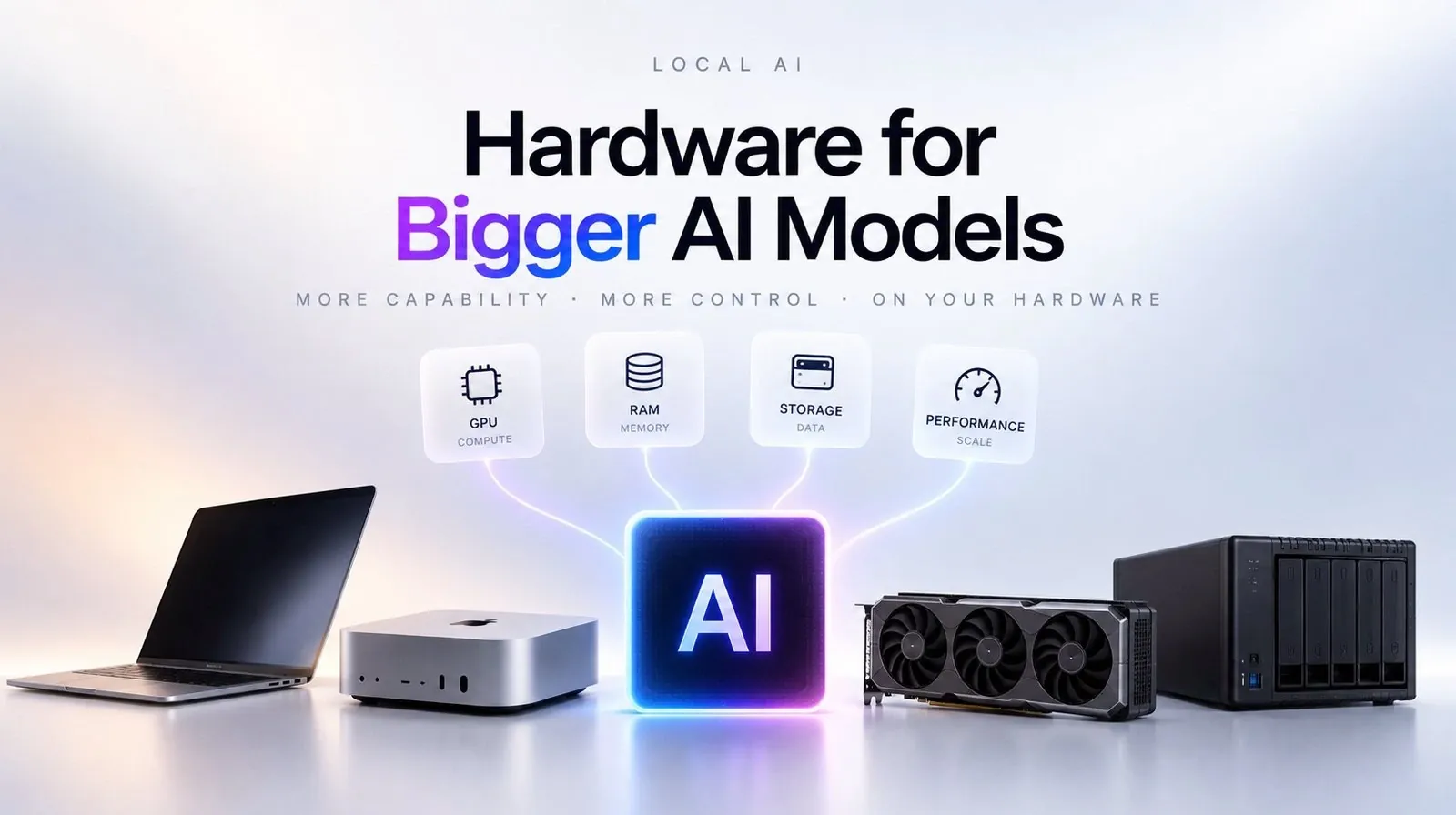
Running AI models locally demands a distinct approach to hardware compared to traditional computing setups. As Kai explains, the focus shifts from raw processing power to achieving a balance between memory capacity and bandwidth, both of which are critical for handling large-scale datasets and making sure smooth model performance. For instance, systems with shared memory pools allow efficient communication between GPUs and processors, a feature that is particularly advantageous for machine learning workloads. However, misjudging these requirements, such as underestimating memory bandwidth, can lead to significant performance bottlenecks.
In this explainer, you’ll gain insights into the key considerations for selecting local AI hardware, including how to evaluate memory architecture and software compatibility. Explore the trade-offs involved in systems like Apple’s Mac Studio or unconventional setups like Alibaba’s GPU-free model. You’ll also understand how to navigate common pitfalls, such as overemphasizing CPU speed and learn strategies to align your hardware choices with your specific AI workload needs.
What Sets Local AI Hardware Apart?
TL;DR Key Takeaways :
- Local AI hardware performance depends heavily on memory capacity, bandwidth and software support, which are more critical than raw processing power for handling large AI models.
- Shared memory pools and efficient data handling are key distinctions of AI hardware compared to traditional computing setups, allowing seamless communication between components.
- Misjudging hardware requirements, such as underestimating memory and bandwidth needs, can lead to bottlenecks and underwhelming performance, even with high-end processors.
- Industry claims from companies like Xiaomi, Alibaba and Apple highlight innovation but require scrutiny, as real-world performance often diverges from marketing promises.
- Key considerations for choosing AI hardware include memory capacity, bandwidth, software compatibility and optimization, alongside strategic planning to balance performance and cost-effectiveness.
Local AI hardware is fundamentally different from traditional computing setups, such as gaming PCs or general-purpose workstations. Unlike systems designed for raw processing power, AI hardware prioritizes efficient data handling and memory management to meet the demands of complex machine learning models. Key distinctions include:
- Shared Memory Pools: Local AI systems use shared memory pools to enable seamless communication between processors and GPUs, making sure efficient data exchange.
- Memory Bandwidth: The speed at which data moves between components often outweighs the importance of having a higher number of processing cores, especially for AI workloads.
- Dataset Handling: AI models require the ability to process vast datasets efficiently, making memory architecture and bandwidth critical factors in determining overall system performance.
For AI applications, achieving the right balance between memory capacity and bandwidth is essential to ensure smooth operation and the ability to handle large-scale models effectively.
Lessons Learned from Real-World Use
Misjudging hardware requirements can result in underwhelming performance, even with seemingly powerful systems. Many users overemphasize processor speed while underestimating the importance of memory and bandwidth. Common pitfalls include:
- Memory Bottlenecks: Even high-performance processors can become bottlenecked without sufficient memory, leading to sluggish performance when running large AI models.
- Bandwidth Limitations: Systems with inadequate memory bandwidth often struggle to transfer data quickly enough, resulting in latency and reduced efficiency.
These challenges highlight the need for a comprehensive evaluation of hardware specifications before investing in local AI systems. Understanding these factors can help you avoid costly mistakes and ensure optimal performance for your workloads.

Browse through more resources below from our in-depth content covering more areas on local AI.
- Ollama Runs 32B Local AI Models on a $599 Mac via Quantization for Free
- How DeepSeek Fits a 284B Parameter AI Model on a Single Laptop
- Awesome DIY Raspberry Pi 5 Offline AI Companion Inspired by BMO from Adventure Time
- New AMD’s $1,500 Strix Halo PC Runs 120B AI Models Locally
- Apple Silicon AI Performance: Local Al on Apple Silicon Uses 7X Less RAM
- 128GB Ryzen AI Halo Replaces Cloud Servers for Local AI
- Why NVIDIA’s New 748GB Desktop is Replacing Enterprise Cloud AI Subscriptions
- Meta AI Releases Muse Glimmer 30B for 24GB VRAM Systems
- Free Local AI Models Like Gemma 3 Replace Cloud Subscriptions
- Rumored Apple M7 Chip Targets 2027 with 1.5 TB of Memory
Industry Claims: Separating Fact from Hype
Recent announcements from major technology companies underscore the growing interest in local AI hardware. However, these claims often require closer scrutiny to assess their practical implications. Notable examples include:
- Xiaomi: Xiaomi’s AI Cube emphasizes high bandwidth and fast token generation speeds, supported by innovative memory stacking techniques. However, details about its memory capacity and independent performance benchmarks remain vague, leaving questions about its real-world capabilities.
- Alibaba: Alibaba claimed to run a 27-billion-parameter model without a GPU, showcasing an unconventional approach. However, this setup involved significant trade-offs, including high operational costs and limited scalability, raising concerns about its practicality for broader use.
- Apple: Apple’s Mac Studio, equipped with up to 512 GB of memory and high bandwidth, offers a competitive solution for local AI tasks. Its performance aligns well with the demands of large AI models, making it a viable option for professionals seeking reliable hardware.
While these announcements highlight innovation, it is crucial to verify performance claims through independent testing and consider the trade-offs involved in each solution.
Key Factors to Consider When Choosing AI Hardware
Selecting the right local AI hardware requires a thorough understanding of several critical factors. These considerations can help you align your hardware investment with your specific AI workload requirements:
- Memory Capacity and Bandwidth: Large AI models demand substantial memory and high bandwidth to ensure smooth data transfer and minimize latency. Insufficient resources in these areas can severely impact performance.
- Software Compatibility: Hardware must integrate seamlessly with existing AI software ecosystems, such as Nvidia’s CUDA or Apple’s Metal, to unlock its full potential and ensure efficient operation.
- Software Optimization: Optimized software can significantly enhance performance, even on hardware with modest specifications. Making sure compatibility with well-optimized frameworks is critical for maximizing efficiency.
By focusing on these factors, you can make informed decisions that align with your performance needs and budget constraints.
Market Trends and Challenges
The affordability and availability of high-capacity AI hardware are influenced by global market dynamics and emerging trends. Key developments shaping the industry include:
- Memory Shortages: Rising costs and supply chain disruptions have made it increasingly difficult for consumers to access machines with sufficient memory capacity, driving up prices and limiting availability.
- Chinese Ecosystem Growth: Chinese companies are rapidly expanding their presence in the AI tooling ecosystem. However, hardware manufacturing remains heavily reliant on global suppliers like TSMC, creating a complex interplay between innovation and supply chain dependencies.
These trends reflect the challenges and opportunities facing the AI hardware market, emphasizing the importance of strategic planning when investing in local systems.
Practical Tips for Buyers
If you are considering purchasing local AI hardware, keeping the following tips in mind can help you make well-informed decisions and avoid common pitfalls:
- Assess Current Needs: Focus on your immediate requirements rather than speculative future demands to ensure your investment aligns with your current workload.
- Verify Specifications: Be cautious of exaggerated marketing claims and prioritize machines with independently verified performance metrics.
- Budget for Practicality: Select the largest AI model that fits within your budget and memory constraints, balancing performance with cost-effectiveness.
Taking a strategic approach to hardware selection can help you maximize performance while avoiding unnecessary expenses.
The Road Ahead for Local AI Hardware
The future of local AI hardware will be shaped by advancements in memory design, such as stacking techniques and improvements in software optimization. As competition intensifies, companies that deliver practical, high-performance solutions at affordable prices are likely to dominate the market. Balancing cost, memory capacity and usability will remain central to the development of AI hardware.
By understanding the factors that influence AI hardware performance and staying informed about industry trends, you can make confident decisions that unlock the full potential of local AI systems.
Media Credit: Kai
Disclosure: Some of our articles include affiliate links. If you buy something through one of these links, Geeky Gadgets may earn an affiliate commission. Learn about our Disclosure Policy.
