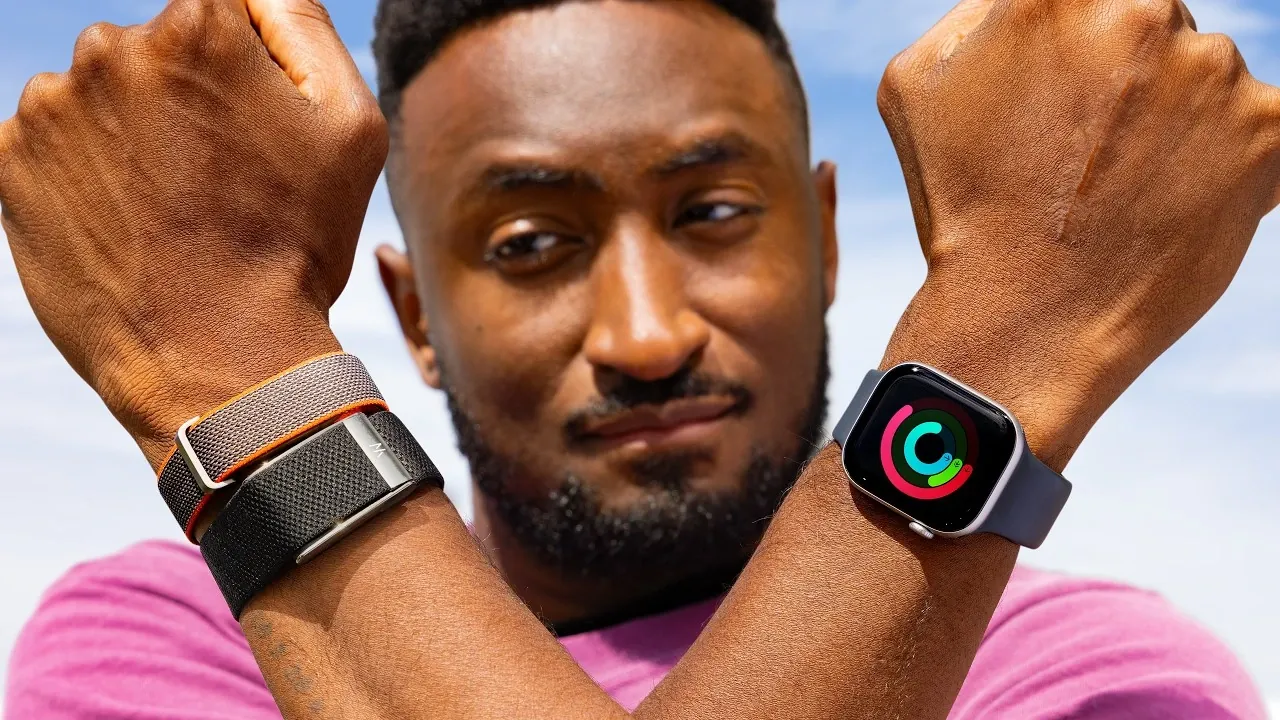
The Fitbit Air has emerged as a strong contender in the fitness tracker market, directly challenging the Whoop with its combination of affordability and accessibility. Unlike the Whoop, which targets advanced athletes with its detailed metrics and subscription-based model, the Fitbit Air offers similar features at a lower upfront cost and without requiring a mandatory subscription. However, the Fitbit Air’s integration with Google raises potential concerns about data privacy. Understanding the distinctions between these devices is crucial for selecting the one that aligns with your fitness goals and lifestyle. The video below from Marques Brownlee gives us a detailed look at the new Fitbit Air.

Whoop: Advanced Tracking for Serious Athletes
The Whoop fitness tracker is designed for individuals who prioritize performance optimization and recovery. It provides advanced metrics such as strain, recovery and stress monitoring, making it particularly appealing to athletes aiming to fine-tune their training regimens. These features, however, come at a premium. To access the full suite of insights, you must subscribe to a service costing between $200 and $350 annually. Additionally, the Whoop ecosystem includes accessories such as straps and performance-enhancing clothing, which can further enhance usability.
One of Whoop’s standout features is its extensive data calibration process. The device takes up to 30 days to fully personalize its insights based on your unique physiology and habits. While this ensures a high level of accuracy, it requires patience and commitment. The tracker also features a battery life of 7–8 days and offers the convenience of charging while worn, ensuring uninterrupted use. These features make the Whoop a robust option for those who demand detailed, continuous performance tracking.
Fitbit Air: Affordable and Accessible
The Fitbit Air positions itself as a budget-friendly alternative, priced at $99 with no mandatory subscription. For users seeking additional features, an optional $100 annual premium plan is available. This device tracks essential health metrics, including heart rate, sleep, steps, calories and workouts. It also incorporates an AI fitness coach that provides personalized plans and daily insights, making it a practical choice for users aiming to achieve their fitness goals without breaking the bank.
Compact and lightweight, the Fitbit Air is designed for comfort and ease of use. It features adjustable Velcro bands for a secure fit, making it suitable for all-day wear. While its accessory options are more limited compared to Whoop, its user-friendly design ensures accessibility for a broader audience. The device calibrates in just seven days, offering quicker personalization than Whoop. However, its battery life of 5–6 days is slightly shorter and it requires removal for charging, which may be less convenient for some users. Despite these minor drawbacks, the Fitbit Air delivers a well-rounded fitness tracking experience at an accessible price point.
Key Comparisons: Price, Features, and Usability
When evaluating the Fitbit Air and Whoop, several key factors highlight their differences:
- Price: The Fitbit Air is significantly more affordable, with no subscription required for basic features, while the Whoop requires a costly annual subscription.
- Form Factor: The Fitbit Air is smaller, lighter, and more discreet, whereas the Whoop offers a more robust and performance-focused design.
- Battery Life: Whoop provides a longer battery life of 7–8 days, compared to Fitbit Air’s 5–6 days.
- Charging: Fitbit Air requires removal for charging, while Whoop allows charging while worn, offering greater convenience for continuous use.
- Data Presentation: Fitbit Air simplifies health summaries for ease of understanding, while Whoop delivers detailed metrics for in-depth analysis.
- Calibration: Fitbit Air calibrates in just 7 days, whereas Whoop takes up to 30 days to fully personalize its insights.
These distinctions make it clear that each device caters to different user needs, from budget-conscious individuals to performance-driven athletes.
Google’s Role and Data Privacy Concerns
The Fitbit Air benefits from its integration with Google Health, using Google’s expertise in data analysis to deliver actionable insights. This integration enhances the device’s ability to provide personalized recommendations and fitness plans. However, it also raises valid concerns about data privacy. Google’s business model relies heavily on data collection, which may make some users hesitant to share their health information. If privacy is a priority for you, this is an important consideration when evaluating the Fitbit Air. Balancing the benefits of advanced analytics with the potential risks to personal data is essential in making an informed decision.
Target Users: Who Should Choose What?
The Whoop is best suited for advanced athletes and fitness enthusiasts who require detailed performance tracking and recovery optimization. Its comprehensive data and long-term personalization features make it a valuable tool for those deeply invested in their fitness journey. On the other hand, the Fitbit Air is ideal for individuals seeking an affordable, straightforward health and fitness tracker without ongoing costs. Its user-friendly design and optional premium features make it a versatile choice for casual users and those new to fitness tracking.
For those who prioritize convenience and additional smartwatch functionality, alternatives like the Apple Watch may also be worth exploring. Ultimately, the choice between the Fitbit Air and Whoop depends on your specific fitness goals, budget and comfort level with data privacy. By carefully considering these factors, you can select the device that best meets your needs.
Below are more guides on Fitness tracking from our extensive range of articles.
- Apple’s Foldable Shock: The iPhone Ultra Fold Leak Reveals a Feature No One Saw Coming
- 5 AI Smart Glasses Launching Soon : Displays, Assistants, Fitness & More
- Apple Watch Ultra 4: Why 2026 Is Finally the Year for a Redesign
- 8 iPhone Settings You Need to Turn Off IMMEDIATELY!
- Samsung Finally Fixed the Fold: First Look at the Z Fold 8 Wide Design
Source & Image Credit: Marques Brownlee
Disclosure: Some of our articles include affiliate links. If you buy something through one of these links, Geeky Gadgets may earn an affiliate commission. Learn about our Disclosure Policy.
