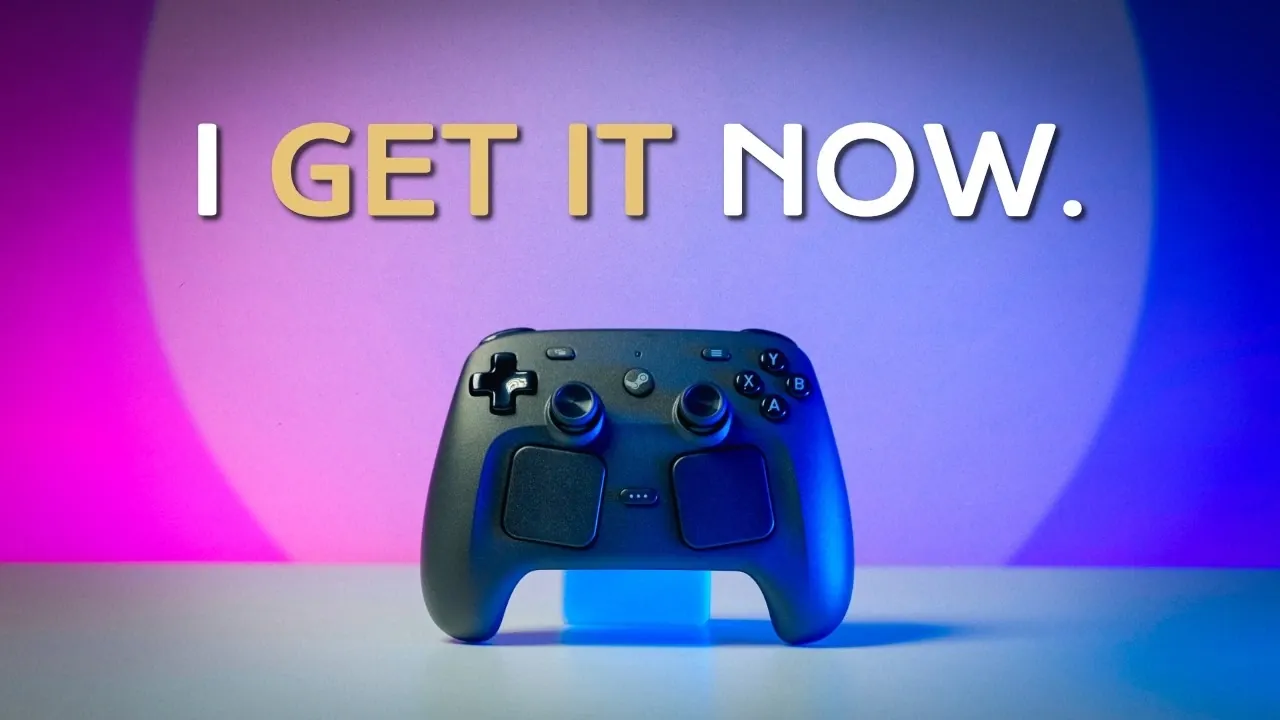
The Steam Controller, introduced by Valve, was initially met with skepticism due to its unconventional design and niche appeal. Poladr0id examines how features like its trackpads and the customizable Steam Input system set it apart, offering a unique approach to gaming that blends PC flexibility with console-style accessibility. Despite its reliance on the Steam ecosystem, the controller’s design choices, such as its ergonomic layout and focus on adaptability, highlight Valve’s effort to cater to a wide range of gaming setups.
Explore this explainer to understand the functionality of the Steam Controller’s back buttons and TMR magnetic thumbsticks, designed for improved control and precision. Learn how features like gyro support enhance aiming mechanics and how GripSense technology contributes to its versatility. This breakdown also covers practical use cases and limitations, providing a clear view of where the Steam Controller excels and where it falls short.
Valve Steam Controller 2026
TL;DR Key Takeaways :
- The Steam Controller is a bold attempt by Valve to merge PC gaming flexibility with console gaming simplicity, though it has limited compatibility outside the Steam ecosystem.
- Its design emphasizes comfort and functionality, featuring TMR magnetic thumbsticks and ergonomic back buttons for enhanced durability and usability.
- Innovative features like trackpads, gyro support and GripSense technology aim to improve precision and customization, though some features feel underdeveloped.
- Connectivity options include USB-C, Bluetooth and 2.4 GHz wireless, paired with extensive customization through Steam Input for tailored gaming experiences.
- The Steam Controller reflects Valve’s vision of a unified gaming ecosystem, complementing devices like the Steam Deck and hinting at a potential revival of the Steam Machine concept.
Design and Build
The Steam Controller’s design is slightly larger than an Xbox Series X controller, offering a premium feel that underscores its thoughtful construction. Its layout, inspired by the Steam Deck, prioritizes both comfort and functionality, making it suitable for extended gaming sessions. The design strikes a balance between familiarity and innovation, catering to both casual and competitive gamers.
Key design highlights include:
- TMR magnetic thumbsticks: These thumbsticks are engineered for enhanced durability and responsiveness, offering a smoother and more precise gaming experience compared to traditional analog sticks.
- Ergonomic back buttons: Strategically placed for easy access, these buttons allow for more complex input options without compromising usability or comfort.
The controller’s build quality reflects Valve’s attention to detail, making sure it feels robust and reliable in hand. This focus on ergonomics and durability makes it a versatile option for a wide range of gaming styles and preferences.
Trackpads and Features
One of the most distinctive aspects of the Steam Controller is its trackpads, a feature carried over from the original design. These trackpads are particularly beneficial for games that rely heavily on mouse input, such as strategy games or first-person shooters. They offer a level of precision that thumbsticks often struggle to achieve, making them a unique selling point for the controller. However, their effectiveness can vary depending on the type of game and the user’s personal preferences, making them a divisive feature among players.
Additional features include:
- Gyro support: This feature enhances aiming precision in compatible games, providing a significant advantage in genres like shooters and action games where fine control is crucial.
- GripSense technology: This innovative feature detects hand positioning to enable customizable inputs. While promising, its practical applications remain somewhat limited in this iteration, leaving room for refinement in future versions.
These features highlight Valve’s willingness to experiment and innovate, even if some elements, like GripSense, feel underdeveloped. The trackpads, in particular, stand out as a bold attempt to bridge the gap between traditional controllers and the precision of a mouse.

Here are additional guides from our expansive article library that you may find useful on Steam Controller.
- $60 Steam Controller 2 is Packing Features PC Gamers Have Been Waiting For
- Why Valve’s Steam Controller is Quietly Changing PC Gaming
- Is Valve’s New $99 Steam Controller Actually Worth the Price?
- Steam Controller Hands on First Look : Worth the Premium $99 Upgrade?
- Why the New Steam Controller’s Deep Customization Might Overwhelm You
- Unboxing Valve’s Most Unique Hardware : Steam Controller
- Is the Steam Controller Actually Good? What Reviewers Say
- 13 Hidden Steam Controller Features You Probably Missed
- How Valve Just Ruined Scalpers’ Plans for the Next Steam Controller Inventory
- Hidden Steam Controller Settings Most Gamers Miss
Connectivity and Usability
The Steam Controller excels in connectivity, offering multiple options to suit a variety of gaming setups. This versatility ensures that the controller can adapt to different environments, whether you’re gaming at a desk or in a living room.
Connectivity options include:
- USB-C: Provides a reliable wired connection for uninterrupted gameplay.
- Bluetooth: Enables seamless pairing with compatible devices, offering flexibility for wireless gaming.
- 2.4 GHz wireless: Supported via an included puck that doubles as both a charging dock and a wireless receiver.
In addition to its connectivity options, the Steam Controller offers extensive customization through Steam Input. This feature allows you to remap controls, create per-game profiles and fine-tune settings to match your preferences. This level of customization ensures that the controller can cater to a wide range of gaming styles and genres, making it a versatile tool for gamers who value personalization.
Strengths and Limitations
The Steam Controller offers a mix of strengths and limitations, making it a unique but not universally perfect option for gamers.
Strengths:
- Innovative features such as trackpads, gyro support and GripSense technology.
- High-quality design and build, with a focus on ergonomics and durability.
- Seamless integration with the Steam ecosystem, including robust input customization options.
Limitations:
- Limited compatibility outside the Steam ecosystem, particularly with other platforms and game launchers.
- Primarily optimized for Windows and Linux users, leaving macOS gamers with fewer options.
- Challenges in delivering a fully seamless living room gaming experience, particularly for those who rely on non-Steam platforms.
While these limitations may deter gamers who use a broader range of platforms or services, the controller’s strengths make it a compelling choice for those who are deeply invested in the Steam ecosystem.
Valve’s Ecosystem Vision
The Steam Controller is more than just a standalone device, it is a critical component of Valve’s broader vision for gaming. By complementing other hardware like the Steam Deck, the controller helps to create a unified ecosystem that bridges the gap between desk, handheld and living room gaming. This approach reflects Valve’s ambition to redefine how and where games are played, offering a seamless experience across multiple devices.
This vision also hints at a potential revival of Valve’s earlier Steam Machine concept, which aimed to bring PC gaming into the living room with the simplicity of a console. By integrating hardware and software, Valve is positioning itself as a leader in the evolution of gaming, creating an ecosystem that prioritizes flexibility, accessibility and innovation.
The Future of Gaming Hardware
The Steam Controller represents a significant step forward in Valve’s mission to merge the flexibility of PC gaming with the convenience of consoles. Its innovative features, thoughtful design and seamless integration with the Steam ecosystem make it a unique and forward-thinking piece of hardware. While it is not without its flaws, it serves as a bold experiment that challenges traditional notions of what a gaming controller can achieve.
For dedicated PC gamers and those curious about exploring new ways to play, the Steam Controller offers a glimpse into the future of gaming hardware. It may not be perfect, but it is a testament to Valve’s commitment to pushing boundaries and redefining the gaming experience.
Media Credit: Poladr0id
Disclosure: Some of our articles include affiliate links. If you buy something through one of these links, Geeky Gadgets may earn an affiliate commission. Learn about our Disclosure Policy.
