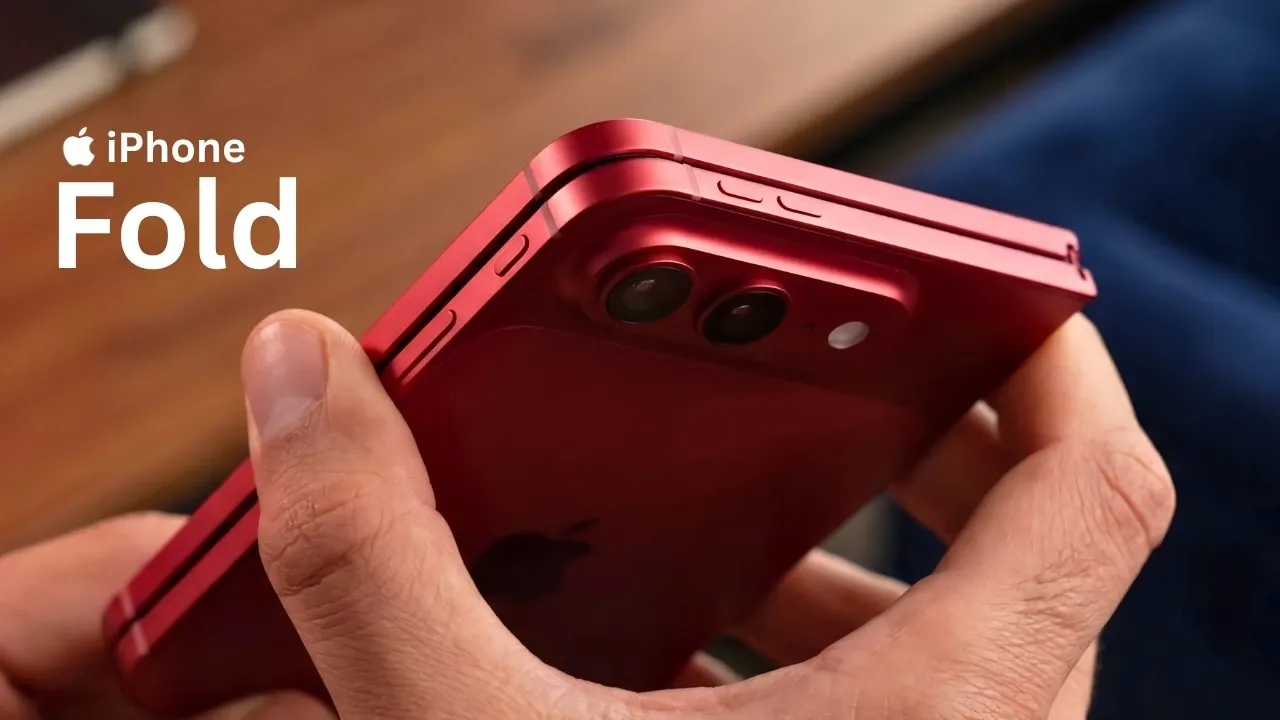
Apple is reportedly gearing up to unveil its first foldable iPhone, potentially named the “iPhone Fold,” in September 2026. This highly anticipated device is expected to merge Apple’s hallmark design philosophy with the evolving demands of the foldable smartphone market. By focusing on durability, repairability, and seamless functionality, Apple aims to set a new standard for foldable devices, offering a product that is both innovative and practical. The video below from Talks Daily tech gives us more details about the handset.

Emphasizing Repairability and Sustainability
A standout feature of the iPhone Fold is its emphasis on repairability, addressing a common challenge in the foldable phone segment. Apple has reimagined the device’s internal structure with a modular design, simplifying the repair process. Unlike many existing foldable smartphones, the iPhone Fold avoids running cables through the folding mechanism, a design choice that significantly reduces the risk of internal damage. This approach not only enhances the device’s longevity but also makes component replacements safer and more efficient.
By prioritizing repairability, Apple demonstrates its commitment to sustainability. This design philosophy aligns with growing consumer demand for environmentally conscious products, making sure that the iPhone Fold is not only innovative but also responsible in its construction.
Innovative Design and Enhanced Durability
The iPhone Fold features a book-style fold, resembling a compact notebook when closed. Its outer display measures 5.5 inches, while the inner display unfolds to an expansive 7.8 inches, providing a seamless and immersive viewing experience. Despite its advanced functionality, the device maintains a slim profile, measuring just 4.5 mm when fully opened, making sure portability without compromising on usability.
To enhance durability, Apple has opted for a titanium frame, known for its lightweight yet robust properties. The hinge mechanism has been carefully engineered to minimize creases on the inner display, making sure a smooth and visually appealing fold. These design choices underscore Apple’s focus on creating a device that is both elegant and resilient, setting it apart from competitors in the foldable phone market.
Hardware Layout and User-Centric Features
The iPhone Fold introduces several notable changes to its hardware layout, reflecting Apple’s innovative approach to design. The volume buttons may be relocated to the top edge of the device, a departure from traditional iPhone designs. Additionally, Touch ID will replace Face ID, integrated directly into the power button for biometric authentication. This change not only streamlines the device’s design but also enhances usability, particularly in scenarios where Face ID may be less practical.
Internally, the device is organized for optimal performance and balance. The right side houses the motherboard and controls, while the left side is dedicated to the battery and display structure. This strategic layout ensures a seamless user experience, enhancing both functionality and comfort during use.
Performance and Battery Innovations
At the core of the iPhone Fold is Apple’s upcoming A20 processor, a next-generation chip designed to deliver exceptional performance. This processor promises faster processing speeds and improved energy efficiency, making it ideal for multitasking, gaming and other demanding applications. The A20 chip is expected to set a new benchmark for performance in foldable devices.
The device will also feature a high-capacity battery with a capacity of up to 5,800 mAh, the largest ever in an iPhone. This significant upgrade ensures extended usage times, even with the increased power demands of a foldable display. Together, the A20 processor and the high-capacity battery position the iPhone Fold as a powerhouse for both productivity and entertainment, catering to the needs of modern users.
Camera System: Balancing Trade-offs
While the iPhone Fold introduces new features, it does come with certain trade-offs in its camera system. The device will feature a dual rear camera setup, a step down from the triple-camera systems found in other high-end iPhones. Notably, it will lack a telephoto lens, which may limit its zoom capabilities. However, Apple is expected to optimize the remaining cameras to deliver exceptional photo and video quality, maintaining its reputation for industry-leading imaging technology.
This decision reflects Apple’s focus on balancing innovation with practicality. By streamlining the camera system, the company can allocate resources to other aspects of the device, such as its foldable display and enhanced durability, making sure a well-rounded product.
Rumored iPhone Ultra (Foldable) Specs
| Feature | Rumored Specification |
| Main Display (Open) | 7.8-inch OLED, 4:3 Aspect Ratio (iPad mini-style) |
| Cover Display (Closed) | 5.5-inch OLED, Wider “Passport” Design |
| Processor | A20 Pro (2nm Process) |
| Memory (RAM) | 12GB LPDDR5X (Optimized for Apple Intelligence) |
| Storage | 256GB, 512GB, 1TB (NVMe) |
| Biometrics | Touch ID integrated into the side power button (No Face ID) |
| Thickness | 4.5mm (Unfolded) / ~9.4mm (Folded) |
| Chassis Material | Titanium Alloy with Stainless Steel/Liquid Metal hinge |
| Rear Camera | Dual 48MP system (Main + Ultra-Wide); No Telephoto |
| Selfie Camera | 18MP (Under-display internal / Hole-punch external) |
| Battery | 5,400mAh to 5,800mAh (Silicon-Carbon technology) |
| Connectivity | eSIM only; Wi-Fi 7; Second-gen Apple C2 Modem |
| Estimated Price | Starting at $2,000 / £1,700 |
Pricing and Market Position
The iPhone Fold is expected to be priced between $2,000 and $2,500, placing it firmly in the premium segment of the foldable smartphone market. While this price point makes it one of the most expensive smartphones available, Apple’s reputation for quality and innovation could justify the cost. The device’s advanced engineering, combined with its user-centric design, positions it as a compelling option for consumers seeking a premium foldable phone experience.
Apple’s entry into the foldable market is likely to influence consumer expectations and industry standards. By offering a product that combines innovative technology with practical usability, the iPhone Fold has the potential to redefine what users expect from foldable devices.
Shaping the Future of Foldable Smartphones
The iPhone Fold represents a bold step forward in smartphone technology. With its focus on repairability, durability, and seamless functionality, the device is poised to challenge existing perceptions of foldable phones. While it comes with certain compromises, such as a simplified camera system, its innovative design and performance capabilities could set new standards for the industry.
As Apple prepares to unveil this highly anticipated product, the iPhone Fold is expected to capture the attention of both consumers and industry experts. By combining advanced engineering with a user-centric approach, Apple’s foldable iPhone may not only reshape the future of foldable smartphones but also solidify its position as a leader in innovation.
Here are more detailed guides and articles that you may find helpful on Foldable iPhone.
- Move Over Pro Max: Why the Foldable iPhone Ultra Is Apple’s New $2,000 Flagship
- iPhone Ultra Leak: Why Apple’s 4.5mm Foldable Design Changes Everything
- iPhone Fold Leaks: How Apple Squeezed a Massive 5,500mAh Battery Into Its Thinnest Design Ever
- Forget the iPhone 18: The iPhone Fold Leaks Reveal a 7.8-Inch Monster
- iPhone Fold Design Breakdown: 4.5mm Thin with the Largest Battery in iPhone History
Source & Image Credit: Talks Daily Tech
Disclosure: Some of our articles include affiliate links. If you buy something through one of these links, Geeky Gadgets may earn an affiliate commission. Learn about our Disclosure Policy.
