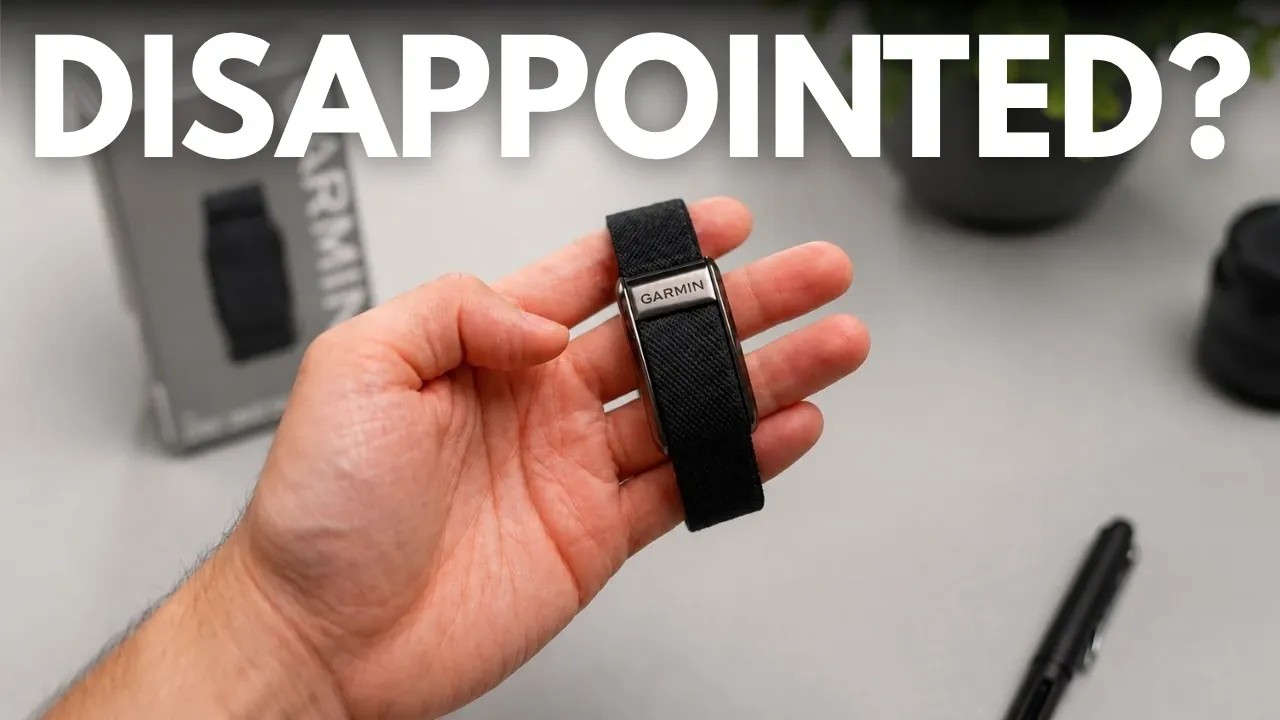
The Garmin CIRQA Smart Band has drawn attention for its minimalist approach to fitness tracking, but it comes with notable compromises. As highlighted by Tech Court, the CIRQA is built around a screenless, distraction-free design that prioritizes simplicity over advanced features. Despite this philosophy, its use of the older Elevate Gen 4 sensor technology and the lack of built-in GPS present significant challenges for users who require precise tracking, especially during outdoor activities. These constraints, combined with its larger-than-average form factor, have sparked debate about its practicality in a crowded market.
Dive into how the CIRQA’s design impacts its functionality and discover who might find value in its pared-down approach. Gain insight into the trade-offs of its no-subscription model, the limitations of its app integration and the absence of advanced health metrics like ECG or blood pressure monitoring. This conversation provides a detailed look at the CIRQA’s strengths and shortcomings, helping you better understand its place in the wearable landscape.
Design and Features: Simplicity at a Cost
TL;DR Key Takeaways :
- The Garmin CIRQA Smart Band features a screenless, distraction-free design and a subscription-free model, targeting users who prioritize simplicity in fitness tracking.
- It supports over 80 activity profiles and offers advanced health metrics like heart rate, sleep tracking and stress monitoring, but lacks built-in GPS and advanced features like ECG and blood pressure monitoring.
- The device’s bulky design and reliance on outdated Elevate Gen 4 sensor technology have drawn criticism, impacting comfort and accuracy compared to competitors.
- At a price of $199, the CIRQA faces challenges in offering sufficient value due to its limited functionality and reliance on an outdated Garmin Connect app.
- While it appeals to niche audiences like Garmin ecosystem users and those seeking a recovery-focused tracker, its market potential is limited by competition from more advanced and affordable alternatives.
The Garmin CIRQA is designed with a focus on minimalism and practicality. Its stretchy woven nylon strap allows for flexible placement on the wrist or upper arm, while a single physical button provides manual control over activities. This straightforward design aligns with its goal of reducing distractions, making it appealing to users who prefer a more focused approach to fitness tracking.
The device supports over 80 activity profiles, catering to a wide range of workouts. However, it lacks built-in GPS, requiring users to pair it with a smartphone for outdoor route tracking. While this limitation may not affect indoor fitness enthusiasts, it significantly impacts those who rely on GPS for outdoor activities like running or cycling.
The CIRQA offers a battery life of up to 10 days, which is respectable but not new compared to other wearables in its price range. Its screenless design eliminates the temptation of constant notifications, but this also means the absence of real-time feedback, which many users find essential. Additionally, the device’s bulky form factor has been criticized for being uncomfortable during extended wear, undermining its appeal as a 24/7 tracker.
Health and Fitness Tracking: Strengths and Gaps
The CIRQA excels in health and fitness tracking, offering a robust suite of metrics that includes:
- Heart rate monitoring
- Body battery and stress levels
- Heart rate variability (HRV) status
- Pulse oximetry and respiration tracking
- Skin temperature monitoring
- Women’s health tracking
Its advanced sleep tracking capabilities stand out, providing detailed insights such as sleep scores, sleep stage analysis, nap detection and smart wake alarms. These features make it a valuable tool for users focused on recovery and overall well-being. Additionally, the device supports hydration, nutrition and lifestyle logging, offering a more holistic view of health.
However, the CIRQA lacks advanced features like electrocardiogram (ECG) and blood pressure monitoring, which are increasingly standard in modern wearables. Furthermore, its reliance on Garmin’s older Elevate Gen 4 sensor technology limits its accuracy and appeal, particularly when compared to competitors that use more advanced hardware.

Enhance your knowledge on Garmin CIRQA by exploring a selection of articles and guides on the subject.
- Everything You Need to Know About Garmin’s New Screenless Wearable
- FCC Filings Suggest Garmin CIRQA May Launch Around July 19th 2026
- Why Garmin is Ditching Screens for Its Next Big Wearable
- What the New Garmin Cirqa and Vivosmart 6 Leak Actually Reveals
- Leak Suggests Garmin CIRQA Fitness Tracker Could Feature EDA Sensors
- Garmin CIRQA Trademarks Hint at EDA Stress Tracking
- Garmin CIRQA Smart Band Officially Launches £180 Requires No Subscription
- Optional Garmin Connect Plus Adds AI Insights to Garmin CIRQA
- Garmin Fenix 9: Solar-Over-AMOLED Displays Could Change Garmin Watches Forever
- Amazfit Helio Strap Pro Unveils a Triple-Position Sensor System
Challenges and Criticism
Despite its strengths, the Garmin CIRQA has faced significant criticism. Key concerns include:
- A bulky design that many users find uncomfortable for prolonged wear.
- The absence of built-in GPS, which limits its utility for outdoor activities.
- Dependence on outdated Elevate Gen 4 sensors instead of Garmin’s newer Gen 5 technology.
- An outdated Garmin Connect app, which is slow, visually unappealing and detracts from the overall user experience.
These shortcomings hinder the CIRQA’s ability to compete in a market where innovation and functionality are critical. While it positions itself as a recovery tracker rather than a comprehensive sports wearable, these limitations make it less appealing to a broader audience.
Target Audience: Who Will Benefit from the CIRQA?
The Garmin CIRQA is designed for a specific audience, including:
- Users who prefer wearing traditional mechanical watches but want basic fitness tracking features.
- Cyclists and athletes already invested in the Garmin ecosystem, such as those using Garmin Edge computers.
- Individuals seeking a subscription-free alternative to devices like Whoop.
However, its niche appeal limits its broader market potential. Competing devices like Fitbit offer sleeker designs, modern apps and comparable features at lower price points, making the CIRQA less attractive to general consumers.
Market Position and Competitive Landscape
The Garmin CIRQA positions itself as a wellness and recovery tracker rather than a full-featured sports wearable. While this focus sets it apart, it also narrows its appeal. Subscription-based competitors like Whoop offer similar recovery-focused features with more advanced technology and modern designs. Meanwhile, budget-friendly options like Fitbit provide a balanced mix of affordability, functionality and user experience.
At a price point of $199, the CIRQA has drawn criticism for offering limited features and outdated technology. Many users feel it does not provide sufficient value for its cost, further challenging its ability to compete in an increasingly crowded market.
Opportunities for Improvement
To enhance the CIRQA’s appeal and competitiveness, Garmin could consider the following improvements:
- Upgrade to newer sensor technology for improved accuracy and functionality.
- Add built-in GPS to cater to outdoor enthusiasts.
- Redesign the device for a smaller, more comfortable fit.
- Overhaul the Garmin Connect app to improve speed, usability and aesthetics.
- Expand health tracking features to include ECG and blood pressure monitoring.
These changes would address the CIRQA’s current shortcomings and broaden its appeal to a wider audience, making it a more competitive option in the wearable market.
A Device with Potential but Limited Appeal
The Garmin CIRQA represents an ambitious attempt to redefine fitness tracking with a screenless, subscription-free model. While it offers valuable features like advanced sleep tracking and seamless integration with the Garmin ecosystem, its bulky design, outdated technology, and limited functionality hinder its success. For users seeking a niche recovery tracker, the CIRQA may suffice. However, for those expecting a comprehensive, modern wearable, it falls short of expectations. To remain competitive, Garmin must address these issues and deliver a more innovative, user-friendly product in the future.
Media Credit: Tech Court
Disclosure: Some of our articles include affiliate links. If you buy something through one of these links, Geeky Gadgets may earn an affiliate commission. Learn about our Disclosure Policy.
