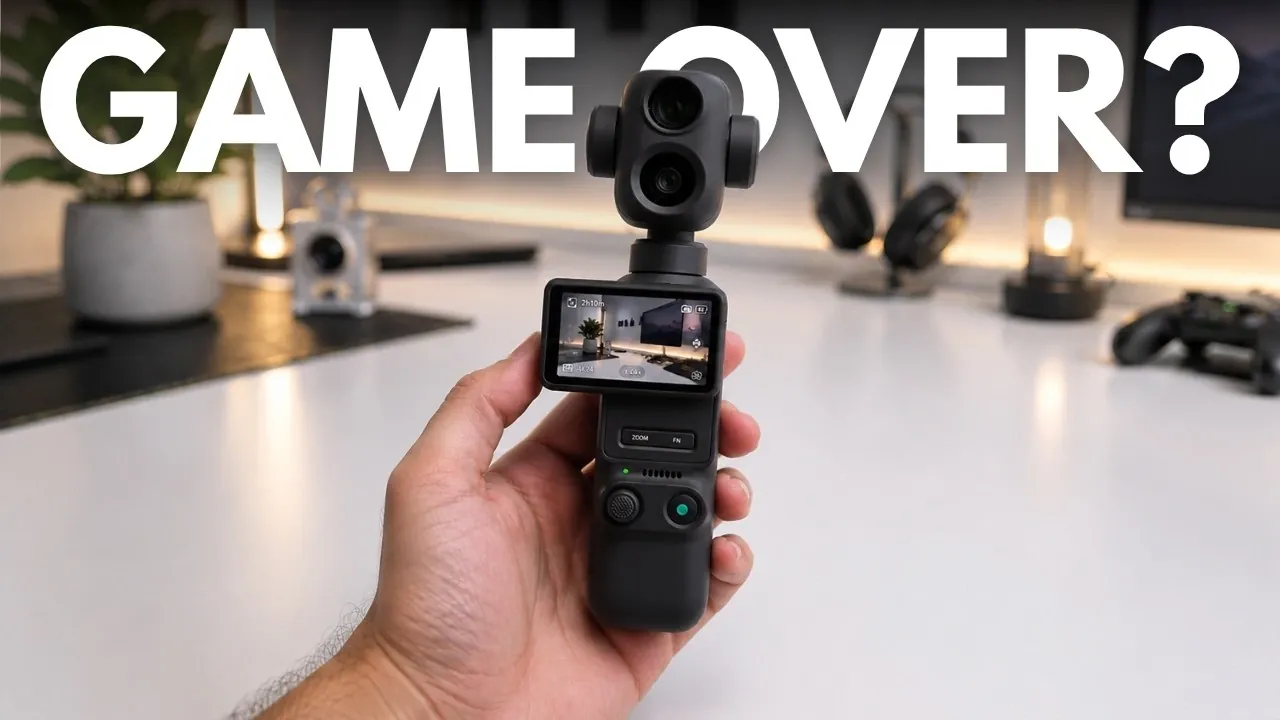
The FCC has initiated a formal investigation into XTRA, the company behind the Mevo 2 Pro pocket camera, raising concerns about its business practices and product differentiation. At the center of the inquiry is the Mevo 2 Pro’s notable resemblance to DJI’s Pocket 4P camera, despite minor design changes like a flip screen and side charging port. Tech Court explores how XTRA’s lack of transparency and failure to respond to FCC information requests have amplified scrutiny, potentially setting a precedent for how rebranded technology is evaluated in the U.S. market. This case underscores broader issues surrounding consumer choice, market competition and national security.
Gain insight into the implications of this regulatory action, including how it might affect the availability of products like the Mevo 2 Pro. Discover key considerations for consumers navigating this uncertain landscape, from evaluating alternative brands to understanding the risks of rebranded technology. The explainer also provide more insights into the potential ripple effects for the tech industry, highlighting how this investigation could reshape product differentiation standards and influence future innovation.
Key Reasons Behind the FCC’s Investigation
TL;DR Key Takeaways :
- The FCC has launched an investigation into XTRA, focusing on its Mevo 2 Pro pocket camera and its potential role as a proxy for DJI, raising concerns about rebranded technology and national security.
- The Mevo 2 Pro’s similarities to DJI’s Pocket 4P camera, despite minor design changes, have sparked questions about whether it represents genuine innovation or superficial rebranding.
- XTRA’s lack of cooperation with the FCC has intensified scrutiny, potentially setting a precedent for evaluating rebranded technology and intellectual property in the tech industry.
- The investigation highlights the tension between regulatory oversight and consumer choice, affecting product availability, competition and market dynamics.
- Broader geopolitical and national security concerns, particularly U.S.-China tensions, are influencing regulatory actions, adding complexity to consumer decision-making in the tech market.
The FCC’s investigation centers on XTRA’s potential role as a proxy for DJI, a prominent name in consumer electronics. The Mevo 2 Pro, XTRA’s flagship product, bears a notable resemblance to DJI’s Pocket 4P camera. Although XTRA has introduced minor design modifications, such as a flip screen, integrated grip and a side charging port, these changes have not been sufficient to quell concerns about whether the Mevo 2 Pro qualifies as a truly distinct product.
XTRA’s lack of cooperation with the FCC has further intensified scrutiny. This reflects a broader regulatory effort to address the increasing prevalence of rebranded technology in the U.S. market. The outcome of this investigation could establish a precedent for how such practices are evaluated in the future, potentially reshaping the boundaries of product differentiation and intellectual property in the tech industry.
Design Enhancements or Product Overlap?
The Mevo 2 Pro has been recognized for its ergonomic improvements and additional features, such as enhanced charging convenience. However, these updates have not shielded XTRA from regulatory concerns. The product’s striking similarities to DJI’s Pocket 4P raise a critical question: do rebranding strategies genuinely deliver value to consumers, or are they merely a way to bypass restrictions on established brands?
For consumers, this debate is significant. It directly impacts whether rebranded products represent meaningful innovation or simply repackage existing technology under a different name. The FCC’s investigation into XTRA underscores the importance of transparency and accountability in making sure that consumers benefit from genuine advancements rather than superficial modifications.

Browse through more resources below from our in-depth content covering more areas on Xtra Muse 2 Pro.
- Why the Pocket 4P is Arriving in America Without the DJI Name
- Why the DJI Osmo Pocket 4P is Launching Under a Completely Different Name in the U.S.
- Why the Xtra Muse 2 Pro Could Dominate the US Gimbal Market
- The Pocket Camera Monopoly is Over: Why the XTRA MUSE 2 PRO is a Cinematic Game-Changer
- DJI Osmo Pocket 4 won’t be available in the US officially, but XTRA MUSE 2 PRO Will
- 5 New DJI Pocket 4 Features That Actually Justify the Upgrade
What This Means for Consumers
The FCC’s actions against XTRA introduce a layer of uncertainty into the pocket camera market. If you are considering purchasing a device like the Mevo 2 Pro, you may need to weigh your options carefully. Potential choices include:
- Delaying your purchase until XTRA’s regulatory challenges are resolved.
- Exploring alternative brands that offer similar features and functionality.
- Opting for DJI products through overseas channels, though this may involve risks such as limited warranties or compatibility issues.
This situation highlights the tension between regulatory enforcement and consumer choice. While oversight aims to ensure fair competition and protect national interests, it can also disrupt market availability and limit your options as a buyer. Staying informed about these developments is essential to making informed purchasing decisions.
Rebranding Strategies and Market Dynamics
The investigation into XTRA sheds light on the complexities and risks associated with rebranding strategies in the tech industry. Rebranding can offer companies short-term advantages, such as faster market entry or reduced development costs. However, it also invites regulatory scrutiny when it blurs the line between innovation and imitation.
For companies, the FCC’s actions serve as a cautionary tale, emphasizing the importance of transparency and compliance with regulatory standards. For consumers, this case underscores the need to understand how rebranding practices affect product quality, availability and competition. The outcome of this investigation could influence whether other companies pursue similar strategies or adopt more distinct approaches to product differentiation.
Geopolitical and National Security Dimensions
The scrutiny of XTRA cannot be separated from broader geopolitical and national security considerations. As tensions between the U.S. and China persist, companies perceived to have ties to Chinese firms, such as DJI, are facing increased regulatory pressure. These actions, while framed as consumer protection measures, often reflect deeper political and economic dynamics.
For consumers, this adds another layer of complexity to the decision-making process. Regulatory decisions may not always align with your immediate interests, especially if they limit access to certain products. However, they are often driven by long-term goals, such as safeguarding market integrity, protecting intellectual property and addressing national security concerns. Understanding these broader implications can help you navigate the evolving landscape of consumer electronics more effectively.
What Lies Ahead for XTRA and the Industry
The FCC’s investigation into XTRA and the Mevo 2 Pro highlights the challenges of balancing regulatory oversight with consumer choice. For you, staying informed about these developments is critical, as they could directly impact the availability, pricing and innovation of products you rely on.
As this case unfolds, it may reshape not only XTRA’s future but also the broader dynamics of rebranded technology and the pocket camera market. Whether this leads to stricter regulations or new opportunities for innovation, the outcome will likely influence how companies and consumers navigate the rapidly evolving world of consumer electronics. By understanding the implications of this investigation, you can make more informed decisions and better anticipate changes in the market.
Media Credit: Tech Court
Disclosure: Some of our articles include affiliate links. If you buy something through one of these links, Geeky Gadgets may earn an affiliate commission. Learn about our Disclosure Policy.
