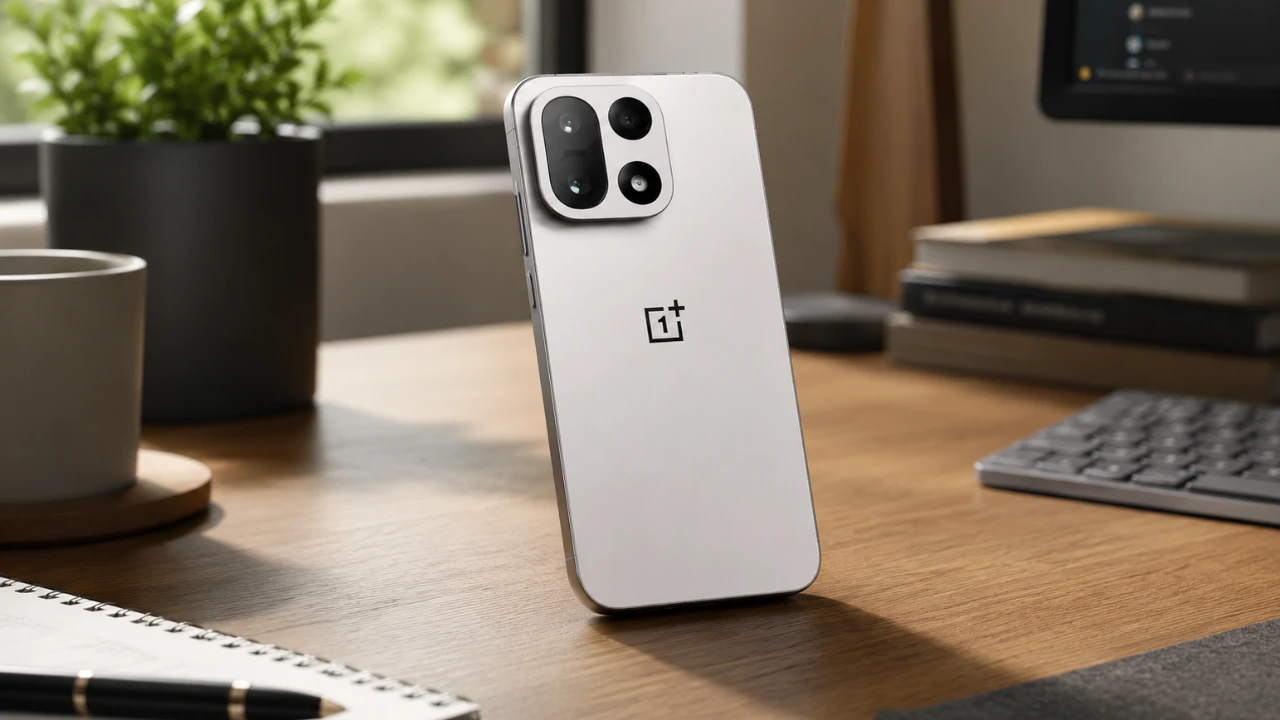
OnePlus, a brand once celebrated for its affordable flagship smartphones and a strong community-driven ethos, has announced its withdrawal from North America and Europe, including the UK. This decision marks a significant turning point for the company, as it steps away from two of the most competitive and lucrative markets globally. While OnePlus has pledged to honor warranties and provide software updates for existing users in these regions, its future in other markets, such as Asia and Africa, remains uncertain. This move also underscores the brand’s deeper integration with its parent company, Oppo, signaling the end of OnePlus as an independent entity. The video below from The Tech Chap gives us more details on what is happening with OnePlus
Why the Exit Matters
The exit of OnePlus from North America and Europe carries profound implications for both the brand and its users. These regions have historically been critical arenas for smartphone manufacturers, offering immense opportunities for growth, innovation and consumer engagement. For users in these markets, the departure of OnePlus brings several challenges:
- The absence of new OnePlus devices and Oppo’s offerings, as Oppo has also scaled back its presence in these areas.
- Uncertainty surrounding long-term software support and updates for existing devices.
- The loss of a brand that once prioritized a balance of affordability and innovative technology.
In contrast, OnePlus continues to maintain a foothold in Asia and Africa, where it retains a notable market share. However, the lack of a clear strategy for these regions raises questions about whether the brand will sustain its operations independently or fully integrate into Oppo’s ecosystem. This uncertainty leaves users and industry observers speculating about the company’s long-term vision.
The Shift from Oxygen OS to Color OS
One of the most impactful changes accompanying this restructuring is the transition from OnePlus’s signature Oxygen OS to Oppo’s Color OS. Oxygen OS, renowned for its clean and near-stock Android experience, was a defining feature that set OnePlus apart from its competitors. The shift to Color OS represents a broader effort to unify software development across Oppo and OnePlus devices, using shared resources to streamline operations and reduce costs.
For existing users, this software transition introduces several concerns:
- While some devices may allow users to revert to Oxygen OS, the availability of future security updates and compatibility remains uncertain.
- The change may alienate long-time fans who valued the simplicity, speed and minimalism of Oxygen OS.
This unification of software platforms highlights the growing alignment between OnePlus and Oppo, further blurring the distinctions between the two brands. While this strategy may enhance operational efficiency, it risks eroding the unique identity that once defined OnePlus.
OnePlus and Oppo: A Converging Identity
The integration of OnePlus and Oppo has been a gradual but deliberate process, with the two brands increasingly sharing resources, from hardware components to software platforms. This alignment has led to several notable outcomes:
- Improved cost efficiencies and a more cohesive product lineup across both brands.
- A dilution of OnePlus’s distinct identity, as its devices now closely resemble Oppo’s in both design and functionality.
While these changes may streamline operations and improve profitability, they also raise concerns about the loss of the innovative spirit that once defined OnePlus. The brand’s ability to carve out a niche in the crowded smartphone market was rooted in its distinctiveness, which now appears to be fading as it becomes more closely aligned with Oppo.
Reflecting on OnePlus’s Legacy
The rise of OnePlus was a remarkable story of disruption in the smartphone industry. The brand’s “Never Settle” mantra resonated deeply with tech enthusiasts and its ability to deliver high-quality devices at competitive prices earned it a loyal following. Some of the key milestones in its history include:
- Building a strong sense of community engagement and fostering loyalty among users.
- Launching innovative products that challenged industry norms and expectations.
- Maintaining a focus on affordability without compromising on performance or quality.
However, in recent years, OnePlus has faced mounting challenges. Rising prices, diminishing differentiation from competitors and underwhelming product launches, such as the OnePlus 15, have contributed to a decline in its appeal. The departure of co-founders Pete Lau and Carl Pei further signaled a shift in the brand’s direction. Notably, Carl Pei’s new venture, Nothing, has gained significant attention, reflecting a changing competitive landscape and the emergence of new players in the market.
Challenges in a Saturated Market
The restructuring of OnePlus is emblematic of broader challenges facing the global smartphone industry. These challenges include:
- Market saturation in mature regions like North America and Europe is limiting opportunities for growth.
- Rising production costs are making it increasingly difficult to maintain competitive pricing.
- Shifting consumer preferences, with users prioritizing ecosystem integration and long-term software support over standalone devices.
For users in North America and Europe, the exit of OnePlus represents the loss of a brand that once stood out for its innovation and affordability. In other regions, the absence of a clear roadmap adds to the uncertainty surrounding the brand’s future. The challenges faced by OnePlus are reflective of the broader pressures within the smartphone industry, where competition is fierce, and consumer expectations are constantly evolving.
Broader Trends in the Smartphone Industry
The decision by OnePlus to exit key markets is part of a larger trend of consolidation and restructuring within the smartphone industry. As competition intensifies, brands are increasingly focusing on:
- Developing shared ecosystems that offer seamless integration across devices and services.
- Achieving cost efficiencies through resource sharing and streamlined operations.
- Adapting to shifting market dynamics to remain competitive in an evolving landscape.
For OnePlus, this shift means stepping back from its independent identity and aligning more closely with Oppo’s vision. While this strategy may ensure the brand’s survival in the short term, it raises important questions about the future of innovation and differentiation in the industry. As the lines between brands blur, the challenge of standing out in a crowded market becomes even more pronounced.
Source & Image Credit: The Tech Chap
Disclosure: Some of our articles include affiliate links. If you buy something through one of these links, Geeky Gadgets may earn an affiliate commission. Learn about our Disclosure Policy.
