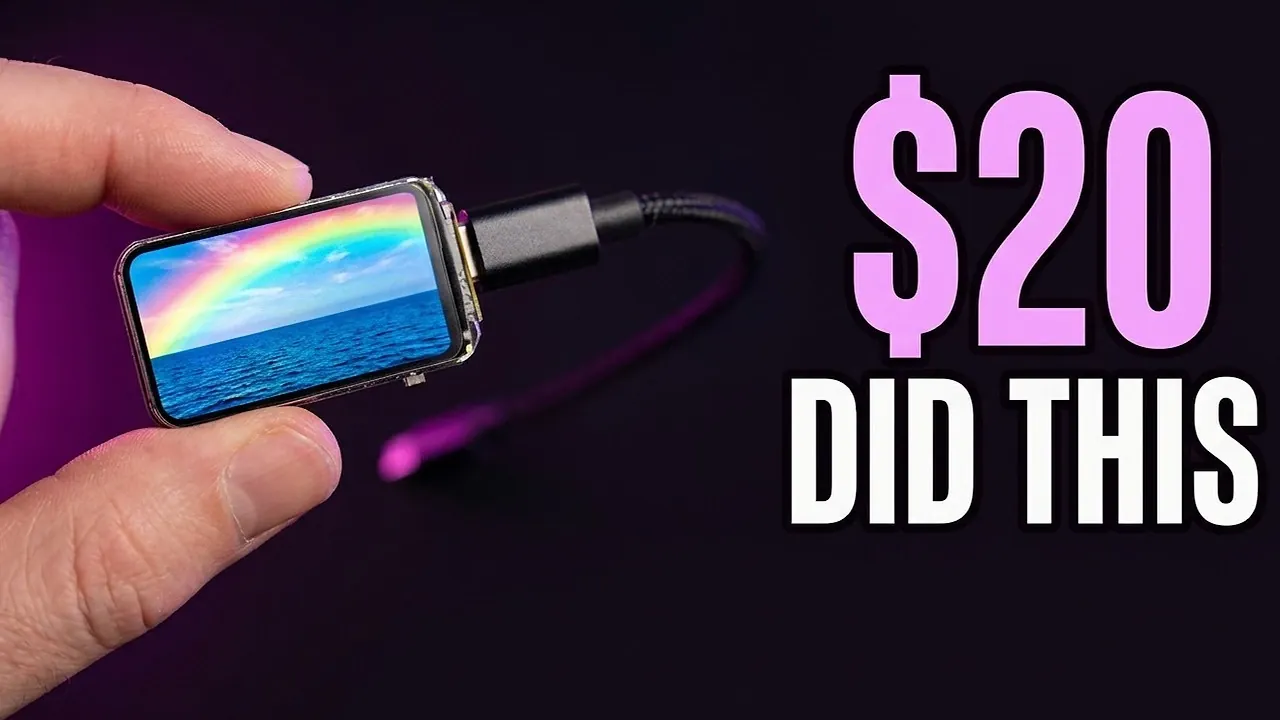
The ESP32 microcontroller, priced at just $20, has become a favorite among DIY enthusiasts and developers for its affordability and versatility. Paired with Claude Code, it offers a streamlined approach to traditionally complex tasks like firmware flashing and debugging, making it accessible even to those with minimal technical expertise. Creator Magic demonstrates how these two components work together to simplify project development, showcasing practical applications such as real-time data visualization and interactive device prototyping. With features like built-in Wi-Fi, Bluetooth and USB-C support, the ESP32 provides a robust foundation for a variety of creative and functional projects.
Explore how this combination can enhance your workflow, from automating tedious setup processes to allowing rapid prototyping. You’ll gain insights into using the ESP32’s advanced interfaces for touchscreen or e-paper displays, as well as its integrated sensors for environmental monitoring and sound processing. Whether you’re a beginner looking to experiment or an experienced developer refining your designs, this guide offers practical takeaways to help you unlock the full potential of the ESP32 and Claude Code in your next project.
Why the ESP32 Stands Out
TL;DR Key Takeaways :
- The ESP32 microcontroller board, priced at $20, combines affordability, versatility and robust performance, making it ideal for DIY electronics and smart home projects.
- Key features of the ESP32 include built-in Bluetooth, Wi-Fi, USB-C connectivity, touchscreen and e-paper display support and integrated sensors for audio and environmental monitoring.
- Claude Code simplifies ESP32 programming by automating tasks like device detection, firmware flashing and debugging, making it accessible to users of all skill levels.
- Creative applications of the ESP32 include real-time sea condition displays, Bluetooth audio spectrum analyzers and “Sonic Polaroid” projects that merge sensory data with artistic expression.
- The combination of ESP32 and Claude Code fosters innovation by reducing technical barriers, allowing users to focus on creativity and problem-solving across various industries and skill levels.
The ESP32 is a feature-rich microcontroller board that combines affordability, versatility and robust performance. Its design and capabilities make it a standout choice for a wide range of projects. Key features include:
- Seamless Connectivity: Equipped with built-in Bluetooth, Wi-Fi and USB-C support, the ESP32 ensures smooth integration with modern devices and networks.
- Advanced Interfaces: Compatibility with touchscreens and e-paper displays enables the creation of interactive dashboards and energy-efficient devices.
- Audio and Environmental Sensors: Built-in audio codecs, microphones and environmental sensors make it ideal for applications such as sound processing, automation and environmental monitoring.
Whether you’re developing a smart home system, a real-time monitoring tool, or an interactive device, the ESP32 provides the flexibility and power to bring your ideas to life. Its affordability ensures that innovative technology is accessible to a broader audience, fostering innovation across skill levels.
Claude Code: Simplifying Microcontroller Programming
Claude Code revolutionizes how you interact with the ESP32 by automating and streamlining traditionally complex programming tasks. This tool is designed to remove barriers and enhance productivity. Here’s how it simplifies the process:
- Automatic Device Detection: Instantly identifies connected devices, eliminating the need for manual configuration and saving valuable time.
- Effortless Firmware Flashing: Simplifies the installation of firmware, making it accessible even to those with minimal coding experience.
- Streamlined Debugging: Provides tools to troubleshoot and resolve issues efficiently, allowing you to focus on refining your project.
By automating these essential tasks, Claude Code enables users to prototype faster and dedicate more time to innovation. Whether you’re a hobbyist exploring new ideas or a professional working on advanced projects, this tool enhances your workflow and reduces technical hurdles.

Browse through more resources below from our in-depth content covering more areas on ESP32.
- $5 ESP32-S3 Super Mini Packs Wi-Fi and Bluetooth
- How an $8 ESP32 S3 Microcontroller Runs a 28.9M Parameter Local LLM
- $4 ESP32 Module Brings Wi-Fi and Bluetooth to IoT Projects
- ESP32 S31 Devkit Hands-on: 320 MHz RISC-V Chip Adds Wi-Fi 6
- Build a DIY Open source Flipper Zero Using a ESP32-DIV
- $9 CYD ESP32 Module Includes a 2.88-Inch LCD Screen
- ESP32-S3 Automation System Packs 16 Relays for Smart Homes
- $5 ESP32 S3 Board Packs a 240 MHz Dual-Core Chip
- Optimize ESP32 Battery Life Using 10 Lesser-Known Features
- Espressif Solved Expensive IoT Wi-Fi with the Dual-Core ESP32
Creative Applications of the ESP32
The ESP32’s versatility makes it a cornerstone for a wide array of creative and practical projects. Here are some innovative applications that showcase its potential:
- Real-Time Sea Condition Display: Use the Open Meteo API to visualize real-time sea temperatures, wave conditions and other environmental data. This project is particularly useful for marine researchers, sailors and environmental enthusiasts.
- Bluetooth Audio Spectrum Analyzer: Stream music via Bluetooth and display live audio spectrums on a connected screen. This project combines technical ingenuity with entertainment, offering a unique way to visualize sound.
- Sonic Polaroid: Capture environmental data such as audio, temperature and humidity to create a visual “snapshot” of your surroundings. This project merges sensory data with artistic expression, offering a creative way to document the world around you.
These examples highlight the ESP32’s ability to bridge the gap between practicality and creativity, making it an invaluable tool for a diverse range of users.
Features That Enhance Usability
The ESP32 is designed with user convenience in mind, offering features that simplify the development process and enhance usability. These include:
- USB-C Connectivity: Provides plug-and-play functionality, reducing setup time and making sure compatibility with modern devices.
- Touchscreen and E-Paper Display Support: Enables the creation of intuitive user interfaces, perfect for interactive and energy-efficient projects.
- Integrated Sensors and Microphones: Expands the range of possible applications, from environmental monitoring to advanced sound processing and automation.
These features make the ESP32 an excellent choice for projects ranging from smart home devices to real-time data visualization tools. Its user-friendly design ensures that even beginners can quickly get started, while advanced users can take full advantage of its capabilities.
Looking Ahead: Future Opportunities
The combination of the ESP32 and Claude Code unlocks a wealth of opportunities for innovation in automation, monitoring and creative applications. As the community of developers and makers continues to grow, new use cases and projects will emerge, further expanding the potential of this powerful platform. By sharing your own creations and learning from others, you can contribute to a vibrant ecosystem of ideas and solutions.
The ESP32 and Claude Code are more than just tools, they are enablers of creativity and problem-solving. Whether you’re building a smart home system, exploring environmental data, or creating interactive art, this combination provides the foundation to turn your vision into reality. With its affordability, versatility and ease of use, the ESP32 continues to inspire innovation across industries and skill levels.
Media Credit: Creator Magic
Disclosure: Some of our articles include affiliate links. If you buy something through one of these links, Geeky Gadgets may earn an affiliate commission. Learn about our Disclosure Policy.
