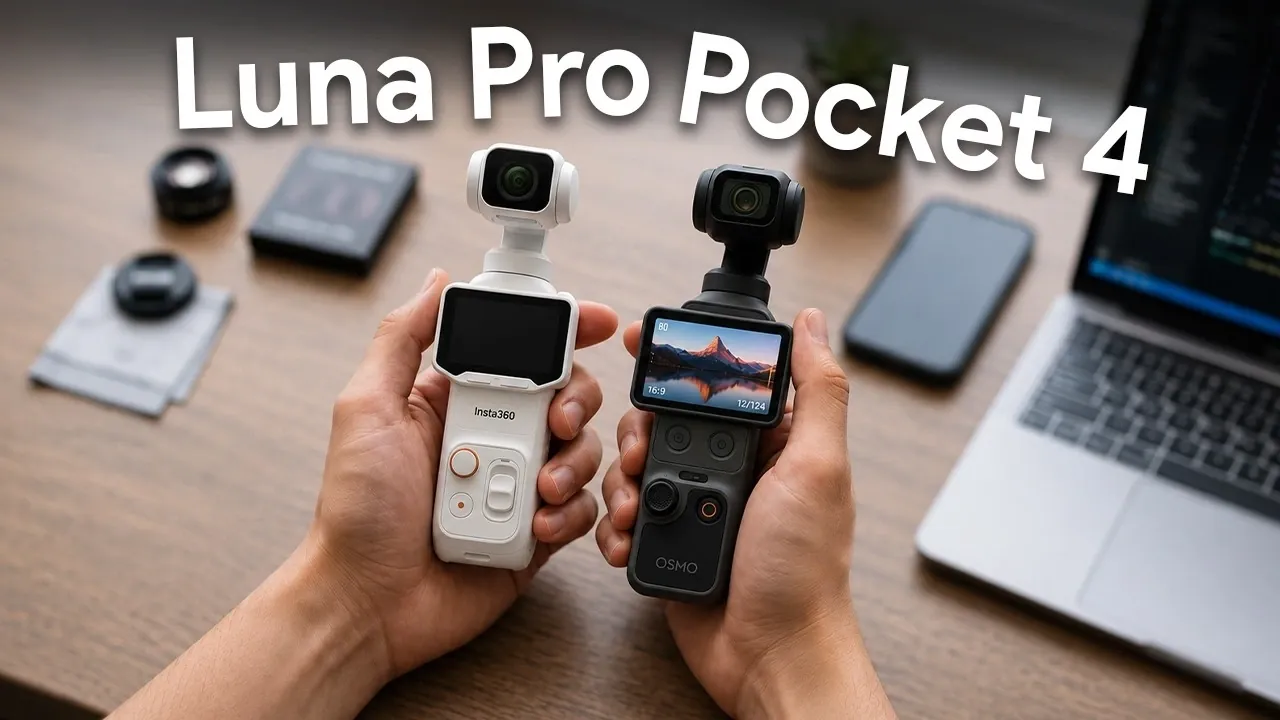
Compact cameras like the DJI Osmo Pocket 4 and the upcoming Insta360 Luna Pro are shaping the landscape for creators who need high-quality performance in a portable form. With both devices featuring a 1-inch CMOS sensor, they promise excellent image clarity, but differences in lens design could influence your choice. For instance, the Luna Pro’s rumored Leica Summicron f/1.8 lens may outperform the Pocket 4’s f/2.0 lens in low-light conditions, offering approximately 23% more light capture. TechAvid explores these distinctions, providing insights into how these cameras cater to diverse shooting scenarios.
Dive into this explainer to understand how these two cameras stack up across key areas like video resolution, stabilization and usability. You’ll gain insight into the Pocket 4’s ultra-slow-motion capabilities and the Luna Pro’s potential for 8K recording, as well as their respective approaches to color grading and display design. Whether you prioritize cinematic low-light shots, advanced stabilization, or flexible framing options, this breakdown will help you evaluate which camera aligns better with your creative goals.
Sensor and Lens: Capturing Detail and Low-Light Performance
TL;DR Key Takeaways :
- Both the DJI Osmo Pocket 4 and Insta360 Luna Pro feature 1-inch CMOS sensors, but the Luna Pro’s rumored f/1.8 Leica lens may outperform the Pocket 4’s f/2.0 lens in low-light conditions and cinematic shots.
- The Pocket 4 supports 4K at 240fps for ultra-slow motion, while the Luna Pro is rumored to offer 8K recording and 240fps at 1080p, catering to creators prioritizing resolution and frame rates.
- Color profiles include DJI’s D-Log M for the Pocket 4 and I-Log/Leica profiles for the Luna Pro, providing flexibility for professional post-production workflows.
- The Luna Pro’s detachable OLED display offers added versatility, while the Pocket 4’s built-in rotating touchscreen emphasizes ease of use during shoots.
- The Luna Pro is lighter (150g vs. 190.5g) and rumored to cost $150 more, but DJI’s established ecosystem and built-in storage may appeal to loyal users despite regulatory challenges in the U.S.
Both cameras are equipped with a 1-inch CMOS sensor, a feature that ensures excellent image quality and video clarity. However, their lens designs set them apart:
- The DJI Osmo Pocket 4 features a 20mm equivalent f/2.0 lens, offering a solid balance between light capture and depth of field.
- The Insta360 Luna Pro is rumored to include a Leica Summicron 20mm equivalent f/1.8 lens, which allows approximately 23% more light to reach the sensor compared to the Pocket 4.
This difference in aperture size suggests that the Luna Pro may excel in low-light conditions and provide better subject-background separation, making it a strong choice for cinematic shots and nighttime photography.
Video Capabilities: Resolution, Frame Rates and Dynamic Range
Video performance is a critical consideration for creators and both cameras offer impressive capabilities:
- The Pocket 4 supports 4K resolution at up to 240fps, making it ideal for capturing ultra-slow-motion footage with stunning clarity.
- The Luna Pro is rumored to support 240fps at 1080p and potentially 8K recording, appealing to those who prioritize higher resolution for professional-grade projects.
Both devices are expected to deliver 14 stops of dynamic range, making sure excellent detail retention in highlights and shadows, which is essential for high-contrast scenes.

Deep dive into the latest in DJI Osmo Pocket 4 by exploring our other resources and articles.
- DJI Pocket 4 Pro is a Much Bigger Upgrade Than Expected
- DJI Pocket 4 Pro Leaks with a 6K Dual-Camera, but US Buyers Might Miss Out
- Why the DJI Pocket 4 Pro’s 1-Inch Sensor is a Fantastic option for Creators
- DJI Osmo Pocket 4P Global Launch is Finally Here
- DJI’s Osmo Pocket 4 Pro Faces a Hidden Threat from Insta360
- Everything We Know About the DJI Pocket 4 Pro Sensor Upgrade
- Why DJI Kept the Osmo Pocket 4P Specs a Secret at Cannes
- DJI’s Osmo Pocket 4 Brings Huge Upgrades, But Should You Wait for the Pro?
- DJI Pocket 4 vs Pocket 4P : Are the New Pro Features Worth the Upgrade?
- DJI Pocket 4 vs Insta360 Luna : the Pocket Gimbal War Just Got Real
Color Profiles: Creative Flexibility in Post-Production
For creators who value post-production flexibility, both cameras provide 10-bit recording, allowing a broader range of colors and smoother gradients.
- The Pocket 4 includes DJI’s D-Log M profile, which is widely regarded for its versatility in color grading.
- The Luna Pro is expected to support I-Log and Leica color profiles, offering additional options for fine-tuning footage to achieve specific visual styles.
These color profiles make both cameras suitable for professional workflows, allowing creators to achieve their desired aesthetic with greater precision.
Stabilization and Tracking: Making sure Smooth and Reliable Footage
Stabilization and subject tracking are essential for dynamic shooting scenarios and both cameras deliver in this regard:
- The Pocket 4 utilizes DJI’s ActiveTrack system, which is renowned for its accuracy and reliability in tracking moving subjects.
- The Luna Pro is expected to feature Insta360’s FlowState stabilization, enhanced by AI-driven algorithms to ensure smoother footage, even in fast-paced environments.
Your choice will depend on your shooting style, whether you prioritize precise subject tracking or stabilization optimized for action-packed scenes.
Display and Usability: Enhancing the Shooting Experience
User interfaces and display options significantly impact the overall shooting experience:
- The Pocket 4 features a built-in 2-inch rotating touchscreen, offering an intuitive way to frame shots and adjust settings on the fly.
- The Luna Pro is rumored to include a detachable 2-inch OLED display, which can double as a wireless remote. This feature provides added flexibility for vlogging, group shots, or remote shooting scenarios.
The detachable display of the Luna Pro could be a fantastic option for creators who require more versatility in framing and controlling their shots.
Portability and Weight: Designed for On-the-Go Creators
Portability is a key factor for compact cameras, particularly for vloggers and travelers:
- The Pocket 4 weighs 190.5g, making it lightweight and easy to handle during extended shoots.
- The Luna Pro is expected to be even lighter at 150g, potentially offering greater comfort for handheld use over long periods.
Both cameras are designed with portability in mind, but the Luna Pro’s lighter weight may give it an edge for creators who prioritize mobility.
Storage and Battery: Balancing Capacity and Longevity
Storage options and battery life are critical for creators who frequently shoot on location:
- The Pocket 4 includes 107GB of built-in storage, a significant advantage for those who prefer internal storage. It also supports microSD cards for additional capacity.
- The Luna Pro is rumored to rely primarily on microSD cards, with limited built-in storage of around 47GB (unconfirmed).
While both cameras offer similar battery capacities, real-world performance may vary based on software optimization and usage patterns.
Audio Recording: Meeting the Needs of Vloggers and Filmmakers
High-quality audio is essential for vloggers and filmmakers and both cameras cater to this need:
- Each device features three built-in microphones, allowing four-channel audio recording for immersive sound capture.
- This setup ensures clear and professional-grade audio without the immediate need for external microphones.
These audio capabilities make both cameras suitable for creators who prioritize sound quality alongside video performance.
Price and Ecosystem: Weighing Cost and Compatibility
Pricing and ecosystem support are important considerations when choosing between these two cameras:
- The Luna Pro is rumored to cost approximately $150 more than the Pocket 4, potentially reflecting its advanced features.
- Regulatory challenges surrounding DJI in the U.S. could make Insta360 a more secure choice for users concerned about long-term ecosystem support.
- However, DJI’s established ecosystem and wide range of accessories may still appeal to loyal users who value compatibility and reliability.
The decision will ultimately depend on your budget and whether you prioritize ecosystem stability or innovative features.
Making the Right Choice
Selecting between the DJI Osmo Pocket 4 and the Insta360 Luna Pro depends on your specific needs and priorities:
- If you value low-light performance, a detachable display, or a lighter design, the Luna Pro may be worth considering.
- If proven stabilization, built-in storage and a slightly lower price are more important, the Pocket 4 remains a compelling option.
Ultimately, the choice will hinge on the confirmed specifications and real-world performance of the Luna Pro once it is officially released. Both cameras offer unique strengths, making sure that creators can find a solution tailored to their creative vision.
Media Credit: TechAvid
Disclosure: Some of our articles include affiliate links. If you buy something through one of these links, Geeky Gadgets may earn an affiliate commission. Learn about our Disclosure Policy.
