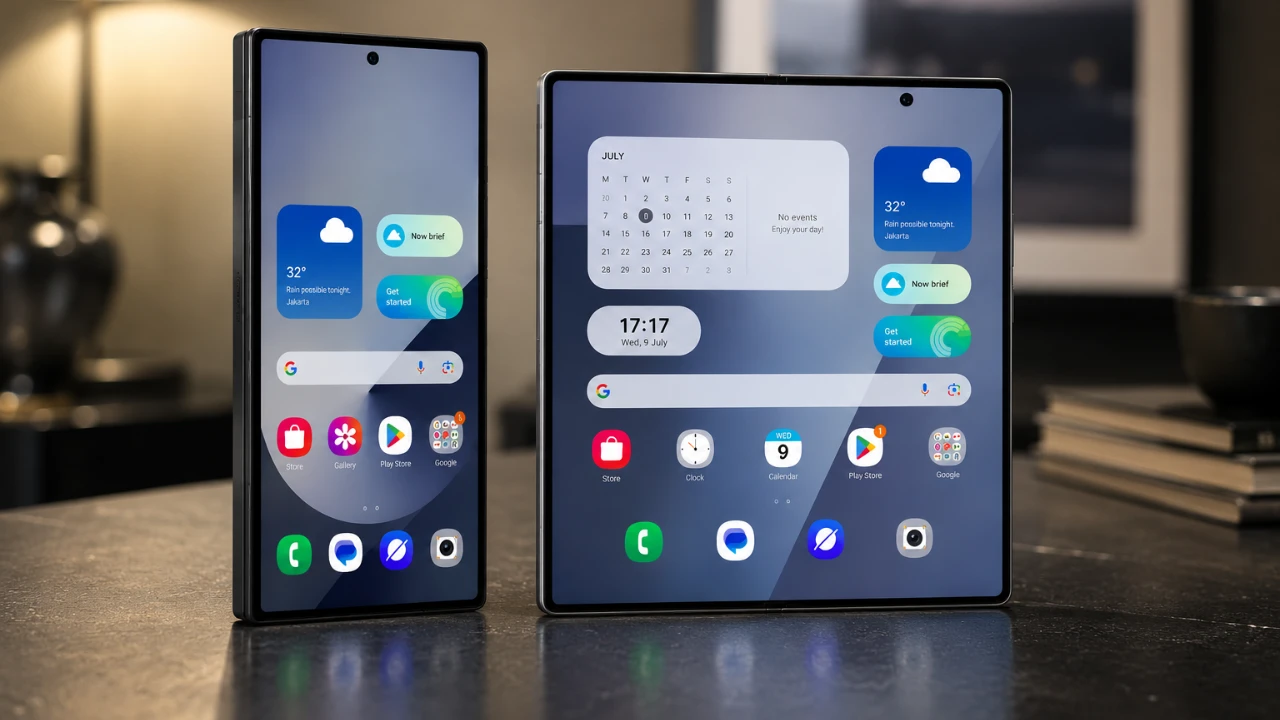
The Samsung Galaxy Z Fold 8 Ultra is expected to launch with a significant price increase, raising questions about the factors driving this surge. Starting at $2,100 for the base model and climbing to $2,699 for the 1TB variant, this foldable smartphone firmly establishes itself as a luxury device. The price hike is attributed to a combination of rising production costs, increased demand for memory driven by advancements in artificial intelligence (AI), and the sophisticated technology required for foldable displays. The video below from Sakitech gives us more details about how much the handsets will cost

Breaking Down the Price Hike
If you’re considering the Galaxy Z Fold 8 Ultra, you’ll notice a steeper price tag compared to its predecessor. Here’s how the pricing stacks up:
- The base model starts at $2,100, a notable increase from last year’s Z Fold 7 Ultra.
- The 1TB storage option costs $2,699, reflecting a $280 jump from the previous generation.
- The Z Fold 8 Wide, a slightly less premium alternative, starts at $1,900, offering a more affordable entry point into the foldable market.
These prices place foldable smartphones in the same category as high-performance gaming laptops, emphasizing their status as premium consumer electronics. For many, this positions the Galaxy Z Fold 8 Ultra as more than just a smartphone; it’s a luxury investment.
Rising RAM Costs: The AI Effect
One of the primary drivers of the price increase is the rising cost of RAM. The global demand for high-performance memory has surged, largely due to AI companies requiring advanced memory chips to build and train machine learning models. This shift in priorities has disrupted the tech supply chain, as manufacturers allocate resources to AI-grade memory chips, which yield higher profits, over consumer-grade RAM.
The Galaxy Z Fold 8 Ultra relies on innovative RAM technology to deliver its advanced multitasking capabilities. However, with AI companies consuming a significant portion of the global memory supply, Samsung faces higher procurement costs. These increased costs are ultimately passed on to you, the consumer, making the device more expensive.
Storage Upgrades: The 1TB Premium
The trend toward larger storage capacities in smartphones is another factor contributing to the price hike. The 1TB variant of the Galaxy Z Fold 8 Ultra, priced at $2,699, reflects not only the cost of high-capacity storage but also the premium associated with foldable devices. This storage option caters to power users who require extensive space for apps, media, and work files, but it also highlights the growing price disparity between entry-level and high-end models.
For users who prioritize productivity and convenience, the additional storage may justify the cost. However, for others, the premium price tag may feel excessive, especially when compared to traditional smartphones with similar storage capacities.
Foldable Display Technology: Innovation at a Cost
The foldable display is the defining feature of the Galaxy Z Fold 8 Ultra, but it’s also one of the most expensive components. Creating foldable screens involves specialized manufacturing processes, durable materials, and rigorous quality control to ensure reliability and longevity. These factors significantly increase production costs, making foldable smartphones more expensive than their traditional counterparts.
For you, this means paying a premium for a device that combines innovative design with enhanced functionality. While the foldable display offers unique benefits, such as improved multitasking and a larger screen experience, it also underscores the financial commitment required to own such a device.
How This Impacts You
The rising costs of foldable smartphones like the Galaxy Z Fold 8 Ultra may influence your purchasing decisions in several ways:
- The higher base price makes the device less accessible to a broader audience, limiting its appeal to a niche market.
- The premium for storage upgrades widens the gap between entry-level and top-tier models, making high-end options less attainable for budget-conscious buyers.
- For innovation-focused consumers, the added expense may be justified by the advanced features and unique design, but others may find the cost prohibitive.
Ultimately, the steep pricing reinforces the perception of foldable smartphones as luxury devices, appealing primarily to tech enthusiasts and professionals who value innovative technology.
Foldables as Luxury Devices
The Galaxy Z Fold 8 Ultra exemplifies the evolution of foldable smartphones into status symbols and productivity tools. With prices rivaling those of high-end gaming laptops, these devices are no longer just communication tools; they represent a blend of innovation and exclusivity. This shift reflects broader trends in the consumer electronics market, where new advancements often come with a premium price tag.
For consumers, this means that foldable smartphones are increasingly positioned as luxury investments, catering to those who prioritize innovative features and are willing to pay a premium for the latest technology. As the market for foldables continues to grow, this trend may further solidify their status as high-end devices, accessible only to a select audience.
Learn more about the Samsung Galaxy Z Fold 8 Ultra with other articles and guides we have written below.
- Samsung Galaxy Z Fold 8 Ultra: The Foldable We’ve Been Waiting For
- Why the Samsung Galaxy Z Fold 8 Ultra is Breaking the Internet
- Samsung’s Foldable Masterpiece: Galaxy Z Fold 8 Ultra Leaks
- Samsung Galaxy Z Fold 8 Ultra: All the Upgrades That Make It a True ‘Ultra’
- What Samsung Just Revealed About the Galaxy Z Fold 8 Ultra
Source: Sakitech
Disclosure: Some of our articles include affiliate links. If you buy something through one of these links, Geeky Gadgets may earn an affiliate commission. Learn about our Disclosure Policy.
