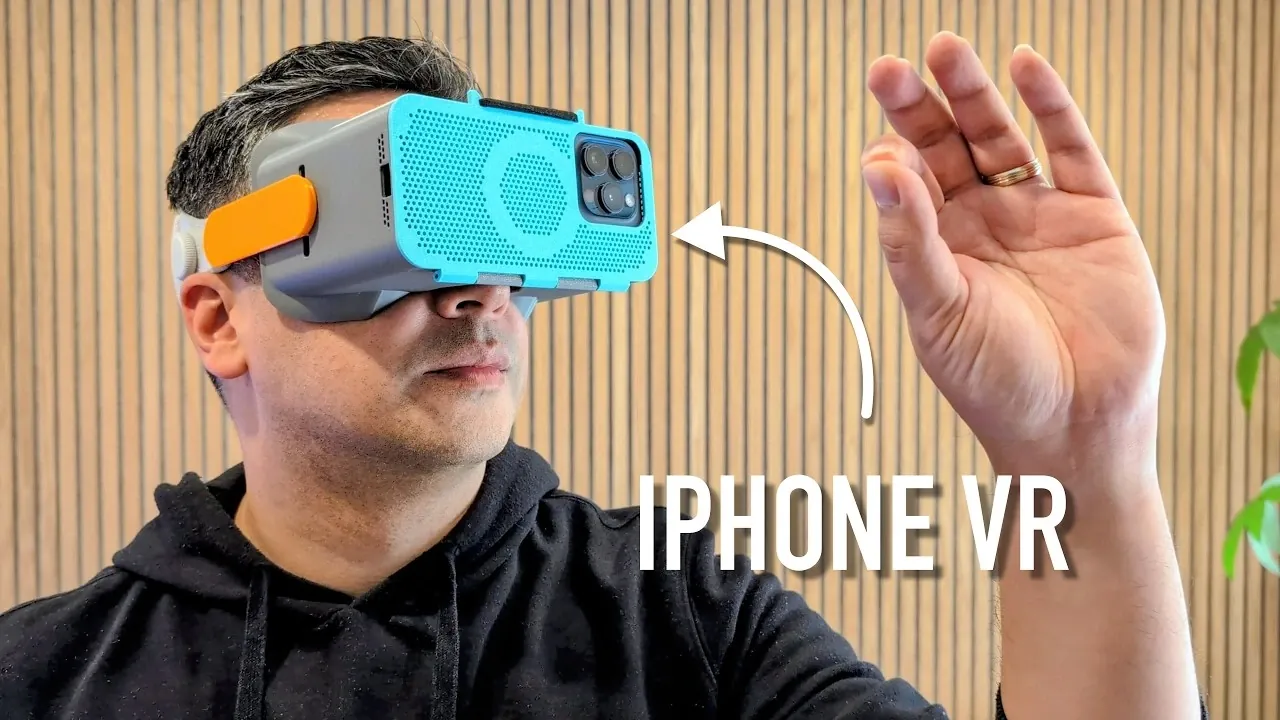
Virtual reality has often been associated with high costs, making it inaccessible for many. However, brenpoly demonstrates how you can bypass these financial barriers by building a DIY VR headset using a 3D printer and an old smartphone. This approach combines affordability with creativity, using features like adjustable optics and modular designs to create a functional and comfortable device. By repurposing existing technology, this project highlights how accessible VR can be with the right resources and planning.
Explore how to optimize your DIY headset by incorporating 6-DOF tracking for precise movement, integrating cooling mechanisms to manage heat and using open source software for customization. You’ll also gain insight into designing ergonomic features for extended use and maximizing the potential of modern smartphone hardware. This guide provides a clear path to creating an affordable VR experience tailored to your needs.
TL;DR Key Takeaways :
- DIY VR headsets can be created affordably by repurposing old smartphones, using 3D printing and using open source tools, making VR more accessible.
- Modern smartphones, with features like high-resolution OLED displays, LiDAR sensors and AI-powered chips, are ideal for delivering high-quality VR experiences.
- Key design elements for DIY VR headsets include adjustable optics, modular components for compatibility and comfort-focused features for extended use.
- Advanced VR software, such as Unity with ARKit/ARCore integration, enables features like 6-DOF tracking and real-time hand gesture recognition for immersive experiences.
- Challenges like overheating and performance issues in smartphone-based VR can be mitigated with cooling mechanisms, optimized software and resource management strategies.
The Evolution and Decline of Mobile VR
Mobile VR has undergone significant changes over the years. Early solutions, such as Google Cardboard and Samsung Gear VR, provided affordable, phone-powered VR experiences. These devices allowed users to explore virtual environments with basic head rotations, known as 3 degrees of freedom (3-DOF). However, as standalone headsets like the Oculus Quest introduced advanced 6-DOF tracking, allowing full-body movement in virtual spaces, mobile VR began to lose its appeal. Despite this decline, the untapped potential of smartphones for VR remains a compelling opportunity, especially when combined with modern advancements in hardware and software.
Why Smartphones Are Ideal for VR Today
Modern smartphones are equipped with innovative technology that makes them well-suited for VR applications. Many current devices include:
- High-resolution OLED displays with refresh rates of up to 120 Hz, making sure smooth and immersive visuals.
- LiDAR sensors for precise room mapping and enhanced spatial awareness.
- AI-powered chips capable of real-time hand tracking and gesture recognition.
These features, often found in flagship smartphones, can be repurposed to deliver high-quality VR experiences at a fraction of the cost of standalone headsets. By using these capabilities, you can create a VR headset that is both functional and cost-effective.

Here are more detailed guides and articles that you may find helpful on 3D Printing.
- Vault Modular Storage System Brings 60 3D Printable Sizes to Kickstarter
- ELEGOO OrangeStorm Giga large volume 3D printer
- Top Mini Server Racks : DIY 3D Printed Designs for Home or Office Tested
- How to 3D print traditional woodworking joints
- Manufacturing: FibreSeek Opens Global Pre-Sale for only 500 Units, Bringing Continuous Fiber 3D Printing to the Desktop
- $309 Creality SPARKX I8 is a Top 3D Printer for Beginners
- ELEGOO Jupiter 2 Delivers 16K Prints in a Massive Build Volume
- Easily Build FreeCAD STL Files Using ChatGPT 6 Astra and Text Prompts
- Create PCBs at Home Using an SLA 3D Printer
- Prusa Core One INDX Calibration Can Fail with Third-Party Filaments
Designing and Building Your DIY VR Headset
Creating your own VR headset requires careful planning and the right materials. With a 3D printer, you can design a headset tailored to your specific needs. Key design considerations include:
- Adjustable optics to fine-tune focus and diopter settings, making sure compatibility for users with or without glasses.
- Modular components that allow for compatibility with various smartphone models and easy upgrades over time.
- Comfort-focused features, such as ergonomic straps, lightweight materials and proper weight distribution to reduce strain during extended use.
By focusing on these elements, you can ensure that your DIY headset is not only functional but also comfortable, rivaling the usability of commercial VR devices.
Powering Your Headset with Advanced VR Software
To bring your DIY VR headset to life, robust software is essential. Platforms like Unity, combined with AR Foundation, provide powerful tools for creating cross-platform VR applications. By integrating technologies such as ARKit (for iOS) or ARCore (for Android), you can enable advanced features, including:
- 6-DOF tracking using visual-inertial simultaneous localization and mapping (SLAM) for precise movement tracking.
- Hand tracking and gesture-based interactions, powered by local AI models for real-time responsiveness.
These tools ensure that your headset delivers an immersive and responsive VR experience, comparable to high-end commercial devices. Additionally, open source software options provide flexibility and customization, allowing you to tailor the experience to your preferences.
Overcoming Challenges in Smartphone-Based VR
While smartphones offer significant potential for VR, they also come with challenges, particularly in managing heat and performance. Prolonged use can lead to overheating, which may affect both the device and the user experience. To address these issues, consider the following solutions:
- Passive cooling mechanisms, such as heat sinks or thermal governors, to manage heat during short sessions.
- Active cooling components, like small fans, to maintain performance during extended use.
- Optimized software that dynamically allocates resources to reduce latency and prevent motion sickness.
By implementing these measures, you can ensure a smoother and more enjoyable VR experience, even during longer sessions.
Promoting Accessibility Through Open source Collaboration
The success of this project lies in its accessibility and the spirit of collaboration. By sharing 3D print files, software resources and design blueprints freely, you can contribute to a growing community of DIY VR enthusiasts. This open source approach fosters innovation and makes VR more affordable for applications in education, healthcare and beyond. Collaboration within this community allows others to refine and expand upon your work, driving further advancements and making sure that VR technology continues to evolve in an inclusive and accessible manner.
Redefining Industry Standards
The rising costs of commercial VR headsets have created barriers for many potential users, limiting access to this fantastic technology. By repurposing existing devices like smartphones, you can challenge these industry trends and demonstrate that high-quality VR experiences don’t have to come with a hefty price tag. This project not only revives the concept of mobile VR but also highlights the importance of innovation and accessibility in shaping the future of the industry. It serves as a reminder that meaningful advancements can often come from reimagining the tools we already have, rather than relying solely on expensive, proprietary solutions.
Media Credit: brenpoly
Disclosure: Some of our articles include affiliate links. If you buy something through one of these links, Geeky Gadgets may earn an affiliate commission. Learn about our Disclosure Policy.
