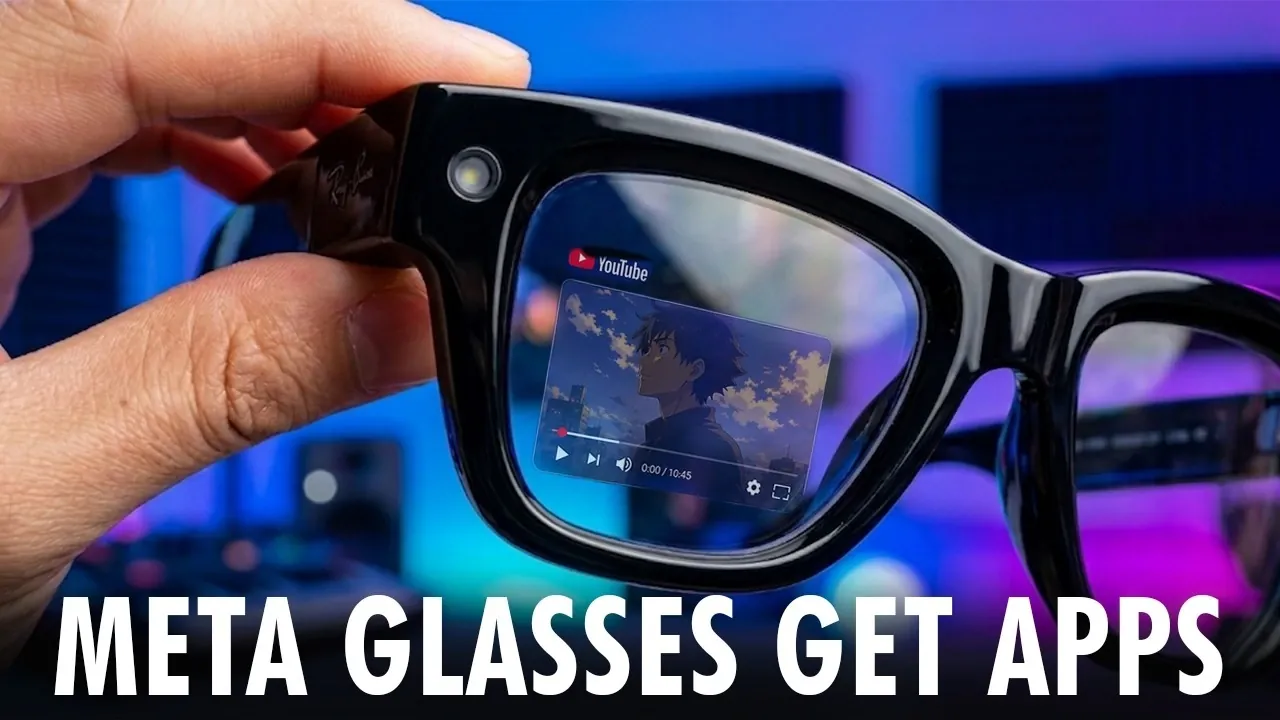
Meta’s Ray-Ban display glasses are making waves in the wearable technology space, not just for their sleek design but for their open development platform. As TechAvid explains, this approach allows developers to create applications using familiar web technologies like HTML, CSS and JavaScript, significantly lowering the barriers to entry. For example, developers can design lightweight overlays or interactive experiences that integrate directly into the glasses’ display. While these glasses don’t yet offer full augmented reality (AR) capabilities, this step signals a shift toward a more versatile and collaborative ecosystem for smart wearables.
Explore how this open platform could shape the future of smart glasses, from allowing hands-free functionality to supporting gesture-based controls powered by neural band technology. You’ll also gain insight into the challenges Meta faces, such as battery life limitations and privacy concerns and how these could influence adoption. Whether you’re interested in the possibilities for content creation or the broader implications for wearable tech, this guide offers a detailed breakdown of what makes these glasses a pivotal development in mobile computing.
The Importance of an Open Development Platform
TL;DR Key Takeaways :
- Meta’s Ray-Ban display glasses introduce an open development platform, allowing third-party developers to create applications and experiences, transforming the glasses into a versatile ecosystem rather than just a gadget.
- The glasses feature seamless integration tools like gesture controls, hands-free functionality and the ability to display notifications, images and videos directly in your field of vision.
- Content creators benefit from tools like teleprompter mode, live streaming capabilities and external device integrations, enhancing creative workflows and storytelling potential.
- Challenges such as limited display size, battery life, reliance on phone connectivity and privacy concerns must be addressed for widespread adoption and long-term success.
- Meta’s open-platform strategy positions the glasses as a potential fantastic option in wearable technology, fostering innovation and competition in the smart glasses market while paving the way for immersive AI-driven experiences.
Meta’s decision to open its smart glasses platform to developers marks a pivotal moment in wearable tech. By allowing developers to create applications using widely known web technologies such as HTML, CSS and JavaScript, Meta lowers the barriers to entry for innovation. This approach enables the development of lightweight overlays, native apps and interactive experiences tailored to the glasses.
This strategy positions the glasses as more than just hardware; they become a foundation for creativity and innovation, similar to how smartphones and VR headsets evolved into platforms for diverse applications. For developers, this open platform offers an opportunity to shape the future of wearable technology, creating tools and experiences that could redefine how you interact with digital content in your everyday life.
Features Designed for Seamless Integration
The Ray-Ban display glasses are equipped with features that aim to integrate effortlessly into your daily routine. These include:
- Displaying text, notifications, buttons, images and short video clips directly in your field of vision.
- Gesture controls powered by Meta’s neural band technology, allowing intuitive navigation and app interaction through simple hand movements.
- Hands-free functionality, allowing you to stay connected without the need to reach for your phone.
These features elevate the glasses beyond being a simple wearable device. They offer a glimpse into the future of interactive technology, where digital content becomes seamlessly embedded into your physical environment.

Here are more guides from our previous articles and guides related to smart glasses that you may find helpful.
- The Ray-Ban Meta Killer? Samsung Smart Galaxy Glasses Launching in 2026
- Google’s New AI Smart Glasses Are Leaving Meta Behind
- Move Over, Ray-Ban Meta: Samsung’s AI Galaxy Smart Glasses Are Finally Coming This Year
- Nothing Al Smart Glasses : Premium AR Features with Everyday Comfort
- Apple Glasses Leak: The Features That Could Kill Meta’s Ray-Bans
- Samsung Galaxy Smart Glasses: The Newest Addition to the Ecosystem Arrives in 2026
- Leak: Apple Testing Four Distinct Frame Styles for Upcoming 2027 Smart Glasses
- Forget Vision Pro: Apple Glass “Early Look” Set for 2026 (Leaked)
- The Wait Is Almost Over: Apple’s Smart Glasses Just Hit a Major Production Milestone
- 5 Smart Glasses Tested: Why an $89 Pair Beats Ray-Ban Meta
Empowering Content Creators with New Tools
For content creators, the Ray-Ban display glasses open up a world of possibilities. Imagine using a teleprompter mode to deliver flawless video presentations or capturing moments hands-free without disrupting the creative process. Additional tools, such as live streaming capabilities and script overlays, streamline workflows, making content creation more efficient.
The glasses also support integrations with external devices like 360-degree cameras and gimbals, offering enhanced creative flexibility. These features make the glasses a valuable asset for professionals in media, marketing and entertainment, allowing them to push the boundaries of storytelling and audience engagement.
Shaping the Industry and Driving Competition
Meta’s open-platform approach has the potential to reshape the smart glasses industry. By shifting the focus from hardware to software ecosystems, Meta mirrors the evolution of smartphones, where app ecosystems became the primary drivers of innovation. This strategy encourages developers to experiment and innovate, creating a dynamic marketplace for applications and experiences.
Competitors, including Samsung, are reportedly working on their own smart glasses, signaling a growing interest in wearable AI technology. This competition is likely to accelerate advancements in the field, ultimately benefiting you as a consumer by driving innovation and expanding the range of available features and applications.
Addressing Key Challenges
Despite their potential, the Ray-Ban display glasses face several challenges that must be addressed to ensure widespread adoption and long-term success:
- The limited display size restricts the complexity and richness of on-screen content.
- Battery life remains a significant hurdle, particularly for extended use throughout the day.
- Reliance on phone connectivity limits the glasses’ standalone functionality, reducing their appeal as an independent device.
- Privacy concerns, especially regarding camera use and AR data processing, could deter potential users and raise regulatory scrutiny.
Overcoming these obstacles will be critical for Meta to position the glasses as a mainstream product and unlock their full potential.
The Future of Mobile Computing
If developers fully embrace Meta’s open platform, the Ray-Ban display glasses could transform how you interact with AI and mobile computing. Moving beyond basic functionalities such as photo capture and voice assistance, these glasses have the potential to become indispensable tools in your daily life.
Imagine a future where you can access real-time information, collaborate on projects, or navigate unfamiliar environments with ease, all through a lightweight wearable device. This evolution represents a significant step forward for smart glasses, paving the way for more immersive and interactive experiences that blend the digital and physical worlds seamlessly.
A New Era for Wearable Technology
Meta’s Ray-Ban display glasses represent a bold step forward in the evolution of wearable technology. By opening the platform to third-party developers, Meta is fostering an ecosystem that could redefine the role of smart glasses in your life. While challenges such as display limitations, battery life and privacy concerns remain, the potential for innovation is immense.
As the industry continues to evolve and competition drives further advancements, these glasses could become a cornerstone of the next generation of mobile computing. For now, they stand as a testament to the possibilities of integrating AI, wearable tech and open development into a single, forward-looking device.
Media Credit: TechAvid
Disclosure: Some of our articles include affiliate links. If you buy something through one of these links, Geeky Gadgets may earn an affiliate commission. Learn about our Disclosure Policy.
