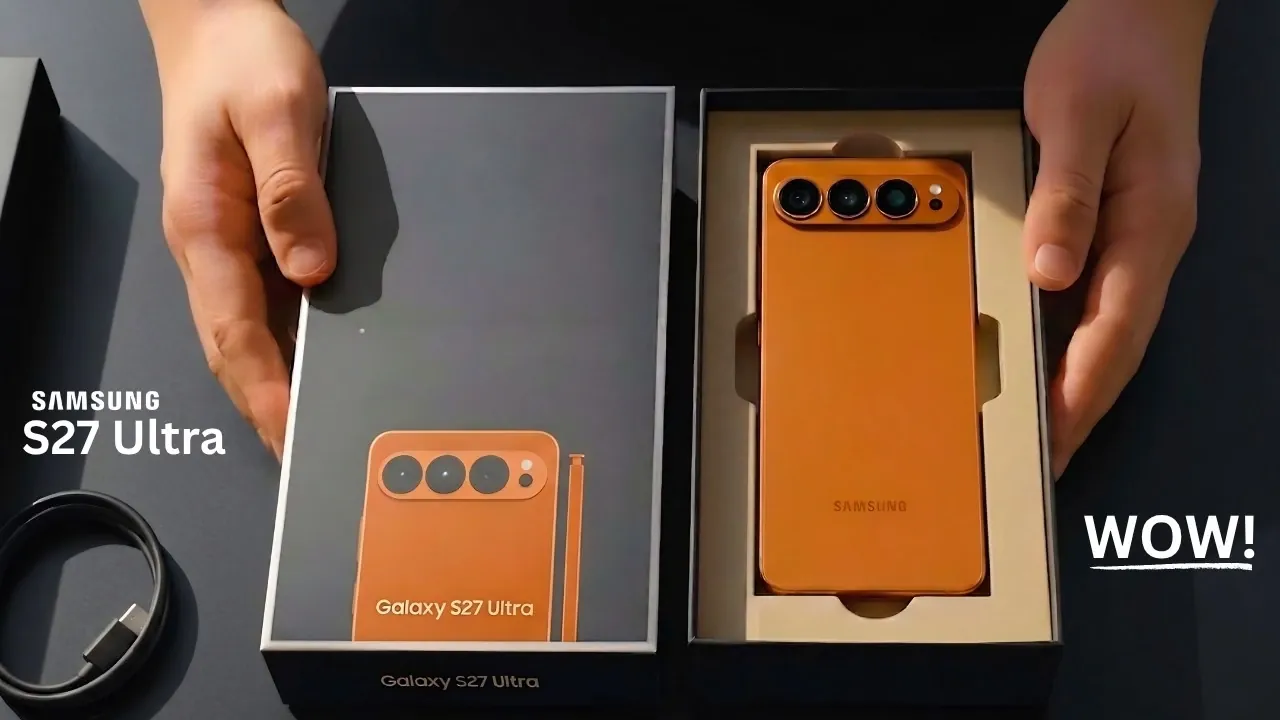
The Samsung Galaxy S27 Ultra is poised to make a significant impact on the flagship smartphone market. With its advanced technology and potential shifts in supply chain dynamics, this device could set new standards for premium smartphones. However, these advancements come with challenges, including rising production costs and evolving industry competition. Understanding these factors provides insight into how the Galaxy S27 Ultra could shape your experience and the broader smartphone landscape. The video below from Talks DFaily Tech gives us more details about the rumored Samsung Galaxy S27.

Snapdragon 8 Elite Gen 6 Pro: Powering the Next Generation
At the heart of the Galaxy S27 Ultra lies the Snapdragon 8 Elite Gen 6 Pro chipset, a technological leap in mobile processing. This processor promises faster performance, improved energy efficiency and enhanced AI capabilities. For you, this means smoother multitasking, more immersive gaming experiences and extended battery life, making daily tasks and entertainment more seamless.
The Snapdragon 8 Elite Gen 6 Pro, however, comes with a steep price tag, estimated at over $300 per unit. This represents a significant increase compared to its predecessor, placing Samsung in a difficult position. Should they absorb these costs, potentially reducing profit margins, or pass them on to you through higher retail prices? This dilemma underscores the financial pressures of delivering innovative technology while maintaining competitive pricing. For consumers, the cost of innovation may directly influence the affordability of flagship devices like the Galaxy S27 Ultra.
OLED Displays and the Changing Supply Chain
The Galaxy S27 Ultra is expected to feature a premium OLED display, continuing Samsung’s tradition of delivering stunning visuals with vibrant colors and deep contrast. Historically, Samsung Display has been the dominant supplier of these high-quality screens. However, this dominance is being challenged by Chinese manufacturers such as BOE and CSOT, who are aggressively pursuing contracts to supply OLED panels for flagship devices.
Reports suggest that BOE is in negotiations to supply displays for the Galaxy S27 Ultra. If successful, this would mark a significant shift in the industry, potentially reducing Samsung Display’s market share. For Samsung, sourcing displays from external suppliers could help lower production costs over time. For you, this increased competition might lead to more affordable devices in the long term, though the immediate impact on pricing remains uncertain. Additionally, the entry of new suppliers could drive innovation in display technology, enhancing the visual experience of future smartphones.
Rumored Samsung Galaxy S27 Ultra Specifications
| Feature | Rumored Specification |
| Display | 6.9-inch Dynamic AMOLED 2X, “Zero-Bezel” flat design |
| Refresh Rate | 1Hz to 120Hz adaptive LTPO |
| Peak Brightness | 3,000+ nits (with anti-reflective armor glass) |
| Processor | Qualcomm Snapdragon 8 Elite Gen 6 “Pro” (Built on TSMC’s 2nm process) |
| Memory (RAM) | 12GB / 16GB (Potential debut of next-gen LPDDR6 architecture) |
| Storage Options | 256GB / 512GB / 1TB (Upgraded to faster UFS 5.0 technology) |
| Rear Camera Stack | Triple Camera Setup (Ditching the dedicated 10MP 3x sensor for a streamlined layout) |
| ↳ Main Sensor | 200MP ISOCELL HP6 (1/1.3-inch format with Variable Aperture and LOFIC technology for single-exposure HDR) |
| ↳ Ultra-Wide | 50MP Sensor (Upgraded from the previous 12MP generations) |
| ↳ Periscope Zoom | 50MP Sensor with 5x optical zoom (3x zoom handled via high-res main sensor crop) |
| Front Camera | Upgraded 24MP sensor with wider field-of-view (Potential “Polar ID” 3D biometrics being tested) |
| Battery Tech | 5,500mAh Silicon-Carbon high-density battery (Higher capacity without increasing phone thickness) |
| Charging Speed | 45W or 65W Wired / Qi2 Native Magnetic Wireless Charging (Built-in alignment magnets) |
| S Pen Support | Yes, fully integrated slot (unchanged design) |
| Biometrics | In-display Ultrasonic Fingerprint Scanner + advanced facial recognition |
| Software | One UI 9.0 / 9.5 (Based on Android 17, heavy focus on deep, on-device local AI integration) |
| Estimated Price | Expected to start around $1,300 – $1,400+ (Driven by the high cost of 2nm foundry nodes) |
| Expected Launch | Late January / Early February 2027 |
Rising Costs and Industry-Wide Implications
The combination of a high-cost chipset and evolving display sourcing highlights the increasing complexity of smartphone production. For manufacturers like Samsung, balancing technological innovation with affordability is becoming an ever-greater challenge. If companies like BOE or CSOT secure flagship contracts, it could elevate their status as serious competitors to established players like Samsung Display. This shift could disrupt the global OLED market, intensify competition and potentially drive down production costs for future devices.
For consumers, these changes could have mixed implications. On one hand, the Galaxy S27 Ultra promises innovative features that could enhance your daily experience. On the other hand, rising component costs may lead to higher retail prices, making flagship devices less accessible to some buyers. However, increased competition in the supply chain could eventually benefit you by fostering innovation and reducing costs over time, potentially making advanced technology more affordable in the future.
What These Developments Mean for You
As a consumer, the advancements in the Galaxy S27 Ultra represent both opportunities and challenges. The device’s innovative features, such as the Snapdragon 8 Elite Gen 6 Pro chipset and OLED display, promise to elevate your smartphone experience with improved performance, stunning visuals and enhanced functionality. These innovations could make tasks like gaming, streaming and multitasking more enjoyable and efficient.
However, the rising costs of components and the complexities of supply chain dynamics may influence the device’s retail price. While competition among display manufacturers like BOE and CSOT could eventually lead to more affordable devices, the immediate impact on pricing remains uncertain. As you consider your next smartphone purchase, it’s important to weigh the benefits of advanced features against the potential for higher costs.
Uncertainty and the Road Ahead
While the Galaxy S27 Ultra is generating significant anticipation, it’s important to note that Samsung has not officially confirmed any details about the device. Current reports suggest substantial advancements in chipset and display technology, but the final product may differ from these expectations. These uncertainties reflect the broader challenges faced by manufacturers in balancing innovation, cost and consumer demand in a rapidly evolving market.
The Galaxy S27 Ultra serves as a reminder of the complexities involved in delivering innovative technology. As the smartphone industry continues to evolve, factors such as rising production costs, shifting supply chain dynamics and increasing competition will play a crucial role in shaping the devices of the future. For you, these developments highlight the importance of staying informed about the latest trends and innovations as you navigate the ever-changing landscape of premium smartphones.
Uncover more insights about Snapdragon 8 Elite Gen 6 Pro in previous articles we have written.
- Snapdragon 8 Gen 6 Pro: The 2nm Powerhouse Inside the Samsung Galaxy S27 Ultra
- Samsung Galaxy S27 Ultra: Is the Snapdragon 8 Elite Gen 6 Pro Confirmed?
- Why the Galaxy Samsung S26 Ultra is the Choice for Pro Users in 2026.
Source & Image Credit: Talks Daily Tech
Disclosure: Some of our articles include affiliate links. If you buy something through one of these links, Geeky Gadgets may earn an affiliate commission. Learn about our Disclosure Policy.
