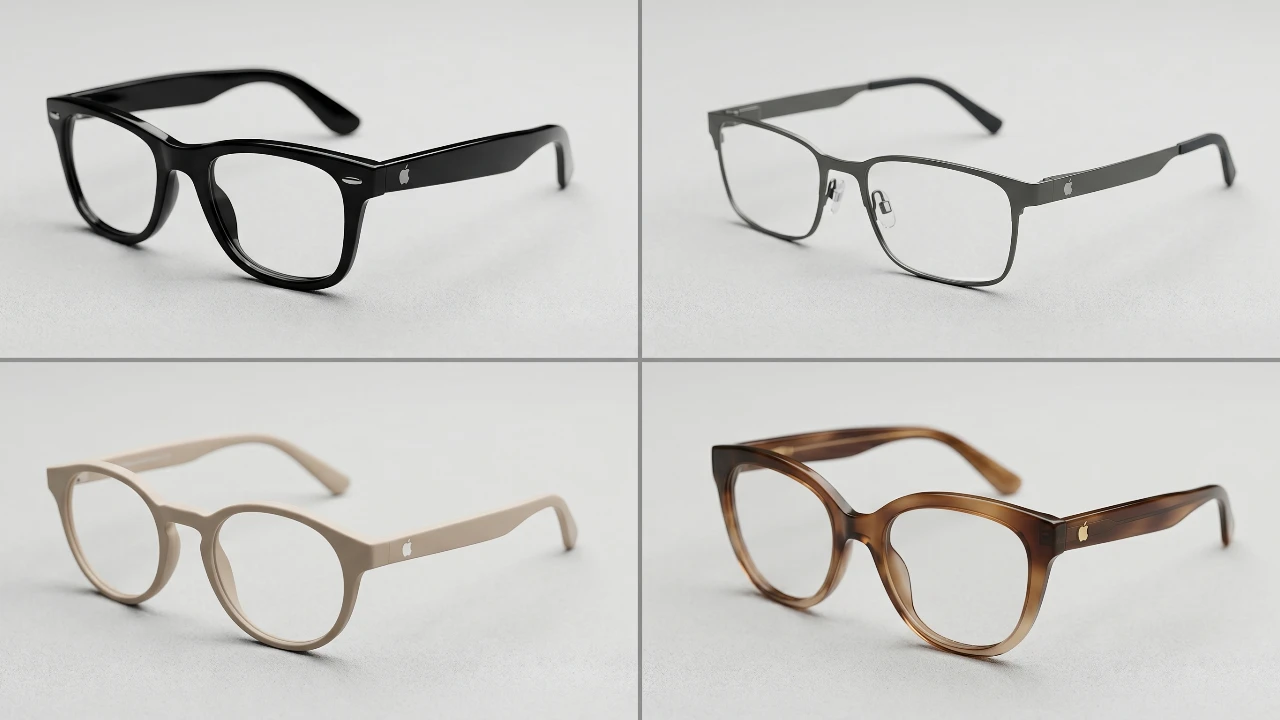
Apple is poised to reshape the landscape of wearable technology with its much-anticipated smart glasses, expected to launch in 2027. These glasses aim to blend state-of-the-art innovation with everyday practicality, offering a seamless fusion of advanced technology and stylish design. With four distinct styles reportedly under development, Apple is working to integrate features such as AI-powered contextual awareness and computer vision into a product that feels as natural as traditional eyewear. If successful, this could represent a fantastic moment in the evolution of wearable devices, setting a new benchmark for the industry. The video below from SaranByte gives us more details about the rumored Apple smart glasses.

Designs That Combine Elegance and Practicality
Apple’s smart glasses are being developed with a strong focus on aesthetics and functionality, making sure they appeal to a wide range of users. Reports indicate that Apple is testing four design variations to cater to diverse preferences:
- Bold, rectangular frames for a contemporary, statement-making appearance.
- Slimmer rectangular frames, offering a minimalist and professional aesthetic.
- Larger oval or circular frames for a classic, timeless look.
- Compact oval or circular frames for a sleek and understated style.
These frames are crafted from premium acetate, a material known for its durability and luxurious feel. To further enhance personalization, Apple is exploring a variety of color options, including black, ocean blue and light brown, making sure users can select a style that complements their personality. By prioritizing comfort, style and usability, Apple aims to create glasses that feel less like a piece of technology and more like an integral part of your daily wardrobe.
Features That Enhance Daily Life
At the heart of Apple’s smart glasses lies a suite of advanced technologies designed to enhance everyday interactions. Using Apple’s expertise in artificial intelligence, these glasses are expected to seamlessly integrate with your iPhone and Siri, allowing hands-free access to information and tasks. For instance, you could walk past a restaurant and instantly receive reviews or compare prices while shopping, all without needing to reach for your phone.
The inclusion of computer vision technology further expands the glasses’ capabilities. Potential features include object recognition, real-time text translation and augmented reality (AR) overlays for navigation. Imagine being guided through an unfamiliar city with AR directions displayed directly in your field of vision. These features aim to make the glasses not just a convenience but an indispensable tool for navigating and simplifying daily life.
Addressing Privacy and Ethical Concerns
One of the most intriguing yet sensitive aspects of Apple’s smart glasses is the potential integration of a camera system. Early prototypes reportedly feature vertically oriented oval lenses equipped with cameras, raising questions about privacy. To address these concerns, Apple is considering incorporating green indicator lights to signal when recording is active, making sure transparency and fostering trust among users and those around them.
This approach reflects Apple’s commitment to balancing innovation with ethical considerations. By prioritizing privacy and social acceptance, the company aims to mitigate the discomfort often associated with wearable cameras. This focus on responsible design could position Apple’s smart glasses as a socially conscious and user-friendly device, setting them apart from competitors.
Overcoming Challenges in Market Adoption
Despite their potential, Apple’s smart glasses face several challenges that could impact their adoption. As a premium product, they must deliver flawless functionality while remaining comfortable and unobtrusive. Privacy concerns, coupled with what is likely to be a high price point, may deter some consumers. Additionally, the personal and stylistic nature of eyewear means that the glasses must appeal to a broad audience without feeling overly technical or intrusive.
Apple appears to be addressing these challenges by designing glasses that closely resemble traditional eyewear, avoiding the overly futuristic appearance that has hindered similar devices in the past. By emphasizing user comfort, style and seamless integration, Apple hopes to overcome these hurdles and position its smart glasses as a mainstream success.
Shaping the Future of Wearable Technology
The anticipated release of Apple’s smart glasses in late 2026 or early 2027 aligns with the company’s broader vision of expanding its portfolio of AI-powered wearables. Rumors suggest that Apple is also exploring other innovative devices, such as camera-equipped AirPods and smart pendants, signaling a shift toward screenless interaction models. These devices aim to create a more immersive and intuitive user experience, reducing reliance on traditional screens.
Apple’s smart glasses could serve as a pivotal step toward this future, offering a glimpse into how technology can seamlessly integrate into daily life. However, their success will depend on several factors, including execution, pricing and consumer adoption. By addressing these challenges, Apple has the potential to redefine how you interact with both your devices and the world around you, paving the way for a new era of wearable technology.
Unlock more potential in Apple smart glasses by reading previous articles we have written.
- Apple Glass Early Look: 2026 Release Date & Leaked Features
- Apple Glasses: Everything We Know So Far
- Apple Glasses 2026: Release Date, Price and Feature Leaks
- Apple Glasses 2026: Features, Pricing and Release Date
- Apple Glasses Release Date & Pricing Details Revealed
Source: SaranByte
Disclosure: Some of our articles include affiliate links. If you buy something through one of these links, Geeky Gadgets may earn an affiliate commission. Learn about our Disclosure Policy.
