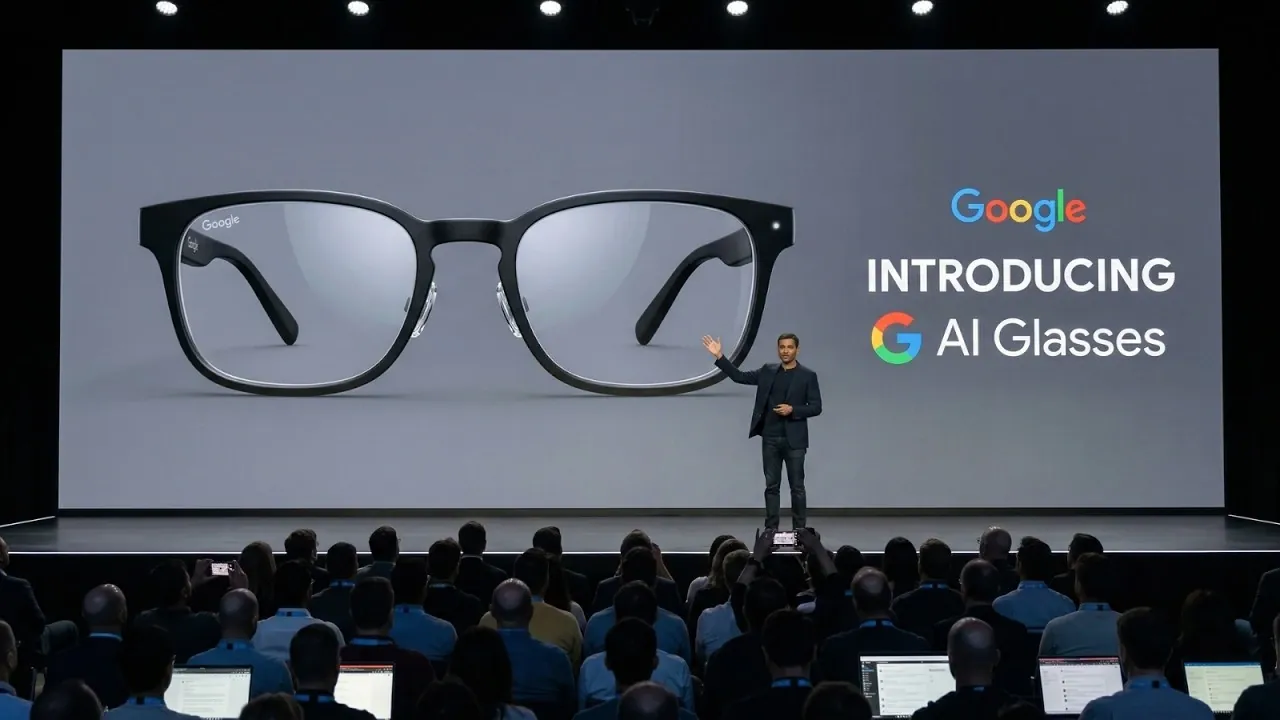
Google’s latest AI-powered smart glasses, built on the Android XR platform, represent a significant step forward in wearable technology. With a focus on productivity and user-centric design, these glasses aim to integrate artificial intelligence seamlessly into daily routines. Futurum highlights three distinct models in Google’s lineup: the Gemini Audio Frames for discreet, hands-free tasks; the Gemini Display Edition, which includes a microLED heads-up display for real-time navigation and notifications; and Project Aura, a developer-focused kit designed for immersive applications. This tiered approach ensures that users ranging from casual consumers to enterprise developers can find a model tailored to their needs.
Explore how Google’s smart glasses use advanced features like the Gemini 2.5 Pro AI system and Project Astra vision system to deliver real-time object recognition and contextual memory. You’ll also gain insight into the split compute architecture that balances high performance with portability, as well as privacy measures like LED activity indicators and sound leakage minimization. Whether you’re interested in professional productivity, enterprise applications, or the broader implications for wearable tech, this feature provides a comprehensive breakdown of what sets Google’s approach apart.
Google AI Glasses
TL;DR Key Takeaways :
- Google has launched AI-powered smart glasses on the Android XR platform, focusing on productivity, utility and user-centric design, distinguishing itself from Meta’s socially-oriented approach.
- The glasses come in three models: Gemini Audio Frames (entry-level with AI voice assistant), Gemini Display Edition (monocular display for professionals), and Project Aura (developer-focused with binocular displays for immersive applications).
- Powered by the Gemini 2.5 Pro AI system and Project Astra vision system, the glasses offer advanced features like real-time object recognition, contextual memory and seamless interaction with the environment.
- Google prioritizes privacy with features like LED indicators for active cameras/microphones and sound leakage minimization, while collaborating with fashion brands to ensure stylish designs.
- Positioned for professionals and enterprise users, Google’s smart glasses emphasize real-world utility and productivity, setting a competitive edge in the wearable tech market against Meta’s offerings.
A Versatile Product Line for Varied Users
Google’s smart glasses are available in three distinct models, each catering to specific user needs and preferences. This tiered approach ensures that a wide range of users, from casual consumers to developers, can find a model suited to their requirements:
- Gemini Audio Frames: These entry-level glasses resemble traditional prescription eyewear and are equipped with cameras, microphones and an AI voice assistant. They are ideal for users seeking discreet, hands-free AI interaction for tasks like voice commands, quick searches, or audio-based navigation.
- Gemini Display Edition: Featuring a monocular microLED heads-up display, this model offers enhanced functionality such as turn-by-turn navigation, real-time notifications and AI-driven responses. It is particularly suited for professionals and users who need on-the-go access to information.
- Project Aura: Designed as a developer-focused kit, this model includes full binocular displays, allowing spatial app development and immersive experiences. It is tailored for advanced users and enterprise applications, such as training simulations or industrial design.
Advanced AI and Engineering at the Core
The foundation of Google’s smart glasses lies in the Gemini 2.5 Pro AI system and the Project Astra vision system, which together enable a host of advanced capabilities. These include real-time object recognition, contextual memory and seamless interaction with the physical environment. For instance, the glasses can identify objects, remember their locations and provide relevant information instantly, enhancing both convenience and efficiency.
To maintain a lightweight and comfortable design, the glasses use a split compute architecture. This system offloads resource-intensive tasks to paired smartphones and cloud servers, making sure high performance without compromising portability. Additionally, features like the Nano Banana image editing tool allow users to edit photos in real time, showcasing the glasses’ versatility in both professional and personal contexts.
Here are additional guides from our expansive article library that you may find useful on smart glasses.
- Samsung Smart Glasses 2026: Features, Specs, and Release Date
- Samsung Galaxy AI Smart Glasses Release Date Revealed
- Nothing AI Smart Glasses : Design, Features & Pricing Strategy
- Apple Smart Glasses Leak: 4 New Frame Designs for 2027 Launch
- Apple Glass Early Look: 2026 Release Date & Leaked Features
- Apple Smart Glasses: Major Production Milestone Leaked for 2026
- Apple Smart Glasses Leak: Visual Intelligence & Gemini Siri
- The $89 Smart Glasses That Rival Ray-Ban Meta Gen 1
- Are the Even Realities G2 Smart Glasses Worth It in 2026?
- Samsung Smart Glasses: Features, Release Date, and
Balancing Design and Privacy
Google has collaborated with renowned fashion brands Warby Parker and Gentle Monster to create glasses that are both stylish and functional. These partnerships aim to address the stigma often associated with tech-heavy designs, making the glasses more appealing to a broader audience.
Privacy remains a top priority in the design of these glasses. Features such as LED indicators signal when cameras or microphones are active, addressing concerns about unauthorized recording. Additionally, sound leakage minimization ensures that private conversations remain confidential, fostering greater user trust. These measures reflect Google’s commitment to addressing privacy concerns while delivering a high-tech product.
How Google Differentiates Itself from Meta
While Meta’s smart glasses emphasize social features like live streaming and content creation, Google’s offering is tailored for productivity and utility. Integration with Google Maps, Workspace and the Play Store highlights its focus on enhancing professional and everyday tasks. Furthermore, the Gemini 2.5 Pro AI system provides a deeper understanding of real-world contexts compared to Meta’s Llama-based AI, giving Google a competitive edge in functionality and practical application.
This differentiation positions Google’s smart glasses as a tool for professionals, tech enthusiasts and enterprise users, rather than primarily targeting social media users. By focusing on real-world utility, Google sets itself apart in the wearable tech landscape.
Opportunities and Challenges in the Wearable Tech Market
The smart glasses market is poised for significant growth, driven by increasing consumer interest and expanding enterprise applications. However, several challenges must be addressed to ensure widespread adoption:
- Public Skepticism: Many consumers remain hesitant to adopt smart glasses due to concerns about privacy and a lack of familiarity with the technology.
- Privacy Concerns: Issues related to biometric data collection and unauthorized recording continue to raise questions about user safety and data security.
- Engineering Hurdles: Balancing battery life, lightweight design and advanced functionality remains a technical challenge for manufacturers striving to meet user expectations.
Despite these challenges, Google’s emphasis on AI integration and practical utility positions it well to capture a significant share of the market. The glasses’ ability to enhance productivity and streamline tasks makes them particularly appealing to professionals and enterprise users.
The Future of Smart Glasses
Google’s AI-powered glasses reignite discussions about the potential of smart glasses to either complement or replace smartphones in the future. Their ability to integrate seamlessly into daily life aligns with the broader vision of ambient computing, where technology becomes an unobtrusive part of the user’s environment. However, regulatory challenges, particularly those related to biometric data and privacy laws, could play a critical role in shaping their adoption.
By addressing past shortcomings and focusing on user-friendly design, Google has positioned itself as a formidable competitor to Meta in the wearable tech space. Its strategic emphasis on productivity, AI-driven innovation, and practical application underscores its commitment to advancing the future of personal computing and wearable technology. As the market evolves, Google’s smart glasses could redefine how users interact with technology in their everyday lives.
Media Credit: Futurum
Disclosure: Some of our articles include affiliate links. If you buy something through one of these links, Geeky Gadgets may earn an affiliate commission. Learn about our Disclosure Policy.
