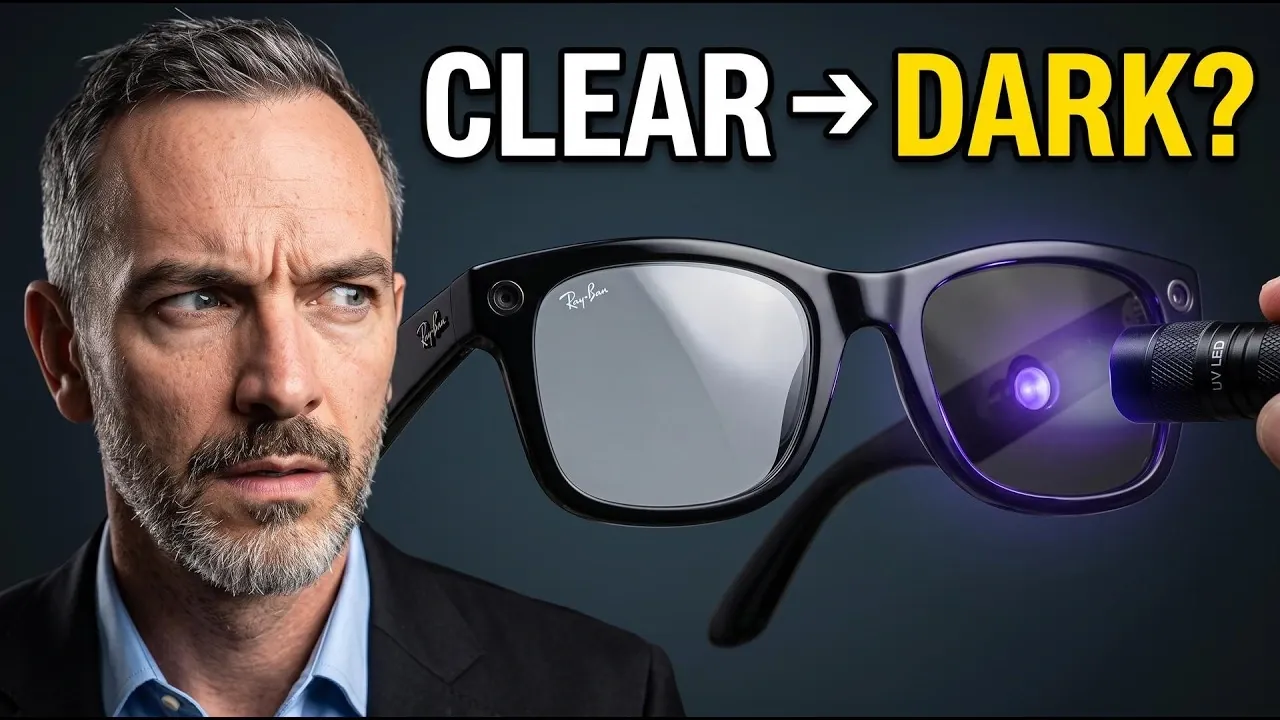
For Ray-Ban Meta smart glasses users, finding affordable prescription lens options can be a challenge, especially given the premium pricing of Meta’s official lenses, which can reach up to $800. The Smart Glasses Guy explores whether VR Rock prescription lenses, starting at just $85, offer a viable budget-friendly alternative. With features like ultra-thin lens design, anti-fog coating and UV transition technology included as standard, VR Rock aims to deliver both affordability and functionality without compromising on quality.
In this feature, you’ll gain insight into how VR Rock lenses stack up against Meta’s official offerings in terms of cost, performance and included features. Explore the practical benefits of their scratch-resistant and oil-resistant coatings, as well as optional upgrades like anti-blue light protection. You’ll also learn about potential trade-offs, such as the absence of the Ray-Ban logo, to help you make an informed decision about whether VR Rock lenses are the right fit for your needs.
How Do the Costs Compare?
TL;DR Key Takeaways :
- VR Rock prescription lenses offer a significantly more affordable alternative to Meta’s official Ray-Ban lenses, starting at $85 compared to Meta’s $800 price tag.
- Key features of VR Rock lenses include ultra-thin design, anti-fog coating, oil and scratch resistance, radiation protection and easy maintenance, all included at no extra cost.
- Optional upgrades like polarization, anti-blue light protection and anti-glare coating are available, catering to diverse user needs and preferences.
- Performance-wise, VR Rock lenses deliver comparable clarity, distortion-free vision and UV transition technology, making them a practical and cost-effective choice.
- While lacking the Ray-Ban logo and Meta branding, VR Rock lenses include thoughtful packaging and accessories, such as a travel pouch and cleaning cloth, enhancing their overall value.
The official Meta Ray-Ban prescription lenses are undeniably premium, but their price reflects that status. Depending on the level of customization, these lenses can cost up to $800. In contrast, VR Rock lenses start at just $85, with their most advanced options priced at $118.90.
This substantial price difference makes VR Rock lenses an attractive choice for budget-conscious users. Furthermore, VR Rock includes several premium features at no additional cost, which Meta charges extra for. For instance, Meta’s ultra-thin lens upgrade costs $120, whereas VR Rock includes this feature as part of their standard offering. This pricing strategy allows users to access high-quality lenses without exceeding their budget.
What Features Do VR Rock Lenses Offer?
VR Rock lenses are designed to deliver a range of features that rival the official Meta lenses. These features are included at no extra charge, making them a cost-effective option:
- Ultra-thin lens design for a sleek and lightweight feel
- Anti-fog coating to prevent condensation
- Oil resistance for easier cleaning
- Scratch resistance to maintain lens clarity
- Radiation resistance for added eye protection
- Easy-to-clean coating for hassle-free maintenance
For users with specific requirements, VR Rock also offers optional upgrades such as polarization, anti-blue light protection and anti-glare coating. These enhancements are particularly beneficial for reducing eye strain during prolonged screen use or improving visibility in bright outdoor conditions. The availability of these features ensures that VR Rock lenses can cater to a wide range of user preferences and needs.

Gain further expertise in Ray-Ban Meta by checking out these recommendations.
- Ray-Ban Meta 124.0 Update Quietly Unlocks 5-Minute Video Recording
- Why These 5 Ray-Ban Meta Accessories Are Essential For 2026
- Massive Ray-Ban Meta 125.0 Update Comes with a Catch
- Meta’s Ray-Ban Gen 3 Smart Glasses to Feature Screenless Design
- Are Ray-Ban Meta Gen 2 Smart Glasses Still Worth It 6 Months Later?
- Rokid vs Ray-Ban Meta : Which AI Glasses Win?
- Meta’s Leaked Wearable Roadmap Reveals Controversial Facial Recognition Plans
- Why Meta’s $299 Adventurer Smart Glasses Might Beat the $379 Ray-Bans
- 5 Smart Glasses Tested: Why an $89 Pair Beats Ray-Ban Meta
- Rokid Al Glasses vs Ray-Ban Meta : Which Should You Actually Buy?
How Do They Perform?
In terms of performance, VR Rock lenses deliver results that are comparable to Meta’s official lenses. Indoors, they provide clear, distortion-free vision with no noticeable tint, making sure a natural and comfortable viewing experience. Outdoors, their UV transition technology adapts quickly to changing light conditions, offering a level of darkness similar to Meta’s lenses under direct sunlight.
Prescription clarity is another area where VR Rock lenses excel. They provide sharp, accurate vision correction, making sure that users experience optimal comfort and functionality when wearing their Ray-Ban Meta smart glasses. For most users, the performance differences between VR Rock and Meta lenses are minimal, making VR Rock a practical and cost-effective alternative.
Are There Any Drawbacks?
While VR Rock lenses offer excellent value, they are not without limitations. One notable drawback is the absence of the Ray-Ban logo, a signature feature of the official Meta lenses. For users who prioritize brand recognition, Meta offers the logo as a $40 customization option.
Additionally, some users may prefer the assurance of purchasing directly from Meta, particularly when it comes to compatibility and branding. However, these concerns are largely subjective and may not outweigh the significant cost savings and extensive features provided by VR Rock lenses. Ultimately, the decision will depend on individual priorities and preferences.
What About Packaging and Accessories?
VR Rock lenses come with thoughtful packaging and accessories that add to their overall value. Each set includes:
- A travel pouch for secure and convenient storage
- Elastic bands to ensure the lenses stay in place
- A keychain attachment for added portability
- A cleaning cloth to maintain lens clarity and cleanliness
These accessories make it easy to store, transport and care for your lenses, making sure they remain in excellent condition over time. The inclusion of these extras demonstrates VR Rock’s commitment to providing a comprehensive and user-friendly product.
Is VR Rock the Right Choice for You?
For Ray-Ban Meta smart glasses users, VR Rock prescription lenses offer a practical and budget-friendly alternative to the official Meta lenses. Starting at just $85, they provide a range of premium features, including ultra-thin design, anti-fog coating and UV transition technology, without the hefty price tag. While they lack the Ray-Ban logo and the direct assurance of purchasing from Meta, their affordability and performance make them a strong contender.
If you are seeking a cost-effective solution to upgrade your Meta smart glasses with prescription lenses, VR Rock is a compelling option worth exploring. Their combination of competitive pricing, advanced features and reliable performance ensures that they meet the needs of a wide range of users.
Media Credit: The Smart Glasses Guy
Disclosure: Some of our articles include affiliate links. If you buy something through one of these links, Geeky Gadgets may earn an affiliate commission. Learn about our Disclosure Policy.
