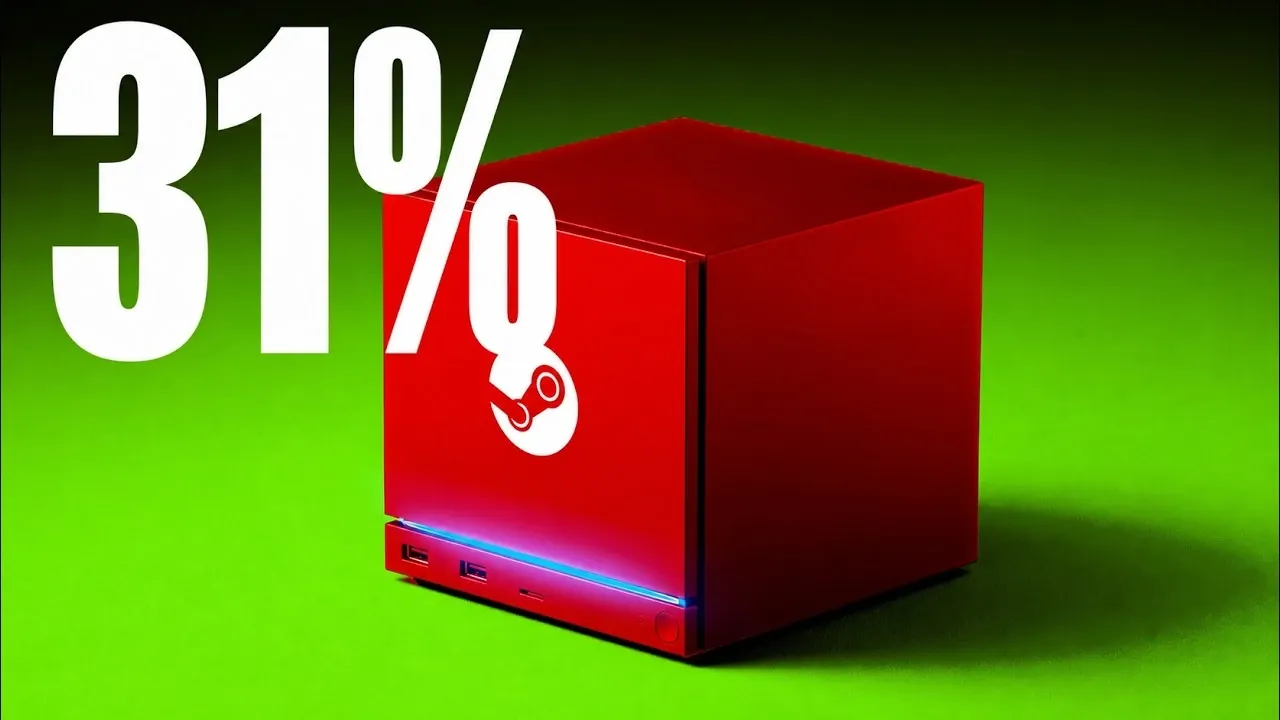
The Steam Deck has seen a significant upgrade with a recent Linux patch aimed at improving frame rate stability during gameplay. Developed by David Vernet, this update enhances the device’s “1% lows” a key metric for minimizing stuttering, by up to 31%. By fine-tuning the CPU’s Energy Performance Preference (EPP) settings, the patch optimizes power allocation, making sure smoother performance in demanding scenarios. While average frame rates remain unchanged, the improved stability is a fantastic option for users tackling fast-paced or graphically intensive titles. Deck Ready dives into how this software adjustment underscores the importance of targeted optimizations in maximizing hardware potential.
In this explainer, you’ll gain insight into how this patch impacts real-world gaming scenarios and what it means for the Steam Deck’s future. Explore the technical adjustments behind the performance boost, understand how frame rate stability affects gameplay and learn how users can benefit from this update in practical terms. Whether you’re a current Steam Deck owner or considering one, this breakdown offers valuable context for understanding the evolving capabilities of portable gaming hardware.
Steam Deck: Enhanced Performance with New Patch
TL;DR Key Takeaways :
- A Linux patch for the Steam Deck improves frame rate stability by up to 31%, enhancing gameplay smoothness through optimized CPU power allocation.
- Xbox is shifting its strategy to focus on exclusive games and subsidized hardware, responding to Steam’s growing dominance among PC gamers.
- GOG Galaxy is developing a Linux-compatible app, expanding access to DRM-free games and supporting the growing Linux gaming community.
- Software optimization is becoming increasingly critical in maximizing gaming hardware performance and delivering seamless user experiences.
- The gaming industry’s evolution reflects a focus on inclusivity, affordability and adapting to diverse player needs across platforms.
For Steam Deck users, the device’s portability and versatility have been standout features. However, maintaining consistent performance during demanding gameplay has been a recurring challenge. A recent Linux patch, developed by David Vernet, addresses this issue by improving the Steam Deck’s “1% lows” a critical metric for frame rate stability, by up to 31%.
This improvement is achieved through adjustments to the CPU’s Energy Performance Preference (EPP) settings. By optimizing how the CPU allocates power during gameplay, the patch minimizes stuttering and delivers smoother performance. While the average frame rates remain unchanged, the enhanced stability significantly improves the gaming experience, particularly in fast-paced or graphically intensive titles. This update highlights the importance of software optimization in maximizing the potential of gaming hardware, making sure users can enjoy a more seamless experience.
Xbox Adapts to Steam’s Growing Influence
Xbox is re-evaluating its strategy in light of Steam’s increasing dominance among PC gamers. Data from Xbox’s ROG Ally devices reveals that a significant number of users prefer purchasing games through Steam rather than Xbox’s ecosystem. This trend has prompted Xbox to shift its focus and refine its approach.
Instead of directly competing with Steam, Xbox is concentrating on exclusive games and subsidized hardware. By investing in unique content and offering affordable devices, Xbox aims to differentiate itself from competitors like PlayStation and Nintendo. This strategy not only strengthens Xbox’s position in the market but also appeals to gamers seeking exclusive experiences and cost-effective solutions. The move represents a calculated effort to carve out a distinct niche in an increasingly competitive industry, making sure Xbox remains a key player in the gaming ecosystem.

Become an expert in Steam Deck perfromance tweaks with the help of our in-depth articles and helpful guides.
- Forza Horizon 6 on SteamOS : Steam Deck vs Z2 Go vs Z1 Extreme Tested
- Why Lossless Scaling is a Fantastic option for Retro Emulation on Steam Deck & Handhelds
- Assassin’s Creed Black Flag Resynced Hits 30 FPS on Steam Deck
- 15 Games That Play Surprisingly Perfectly on the Steam Deck
- SteamOS 3.8.20 Beta Improves VRAM on Steam Deck for Heavy Games
- How to Turn the Odin 3 Into an ARM-Based Steam Deck Alternative
- High End Emulation on the Steam Machine Tested
- Improve your Steam Deck performance with lossless scaling and double your FPS in Windows 11
- Why Linux Is Quietly Becoming the Ultimate Gaming Platform in 2026
- Elder Scrolls Oblivion Remastered On The Steam Deck Can It Handle It
GOG Galaxy Expands to Linux
Linux gamers have long faced challenges due to the absence of a dedicated GOG Galaxy app. Recognizing this gap, GOG is actively developing a Linux-compatible version of its Galaxy app, marking a significant step toward greater inclusivity. This initiative aligns with the growing demand for DRM-free games and enhanced Linux gaming support.
The upcoming app is designed to provide seamless access to GOG’s extensive library of DRM-free titles while integrating smoothly with existing Linux gaming ecosystems. Additionally, this development could pave the way for advancements in anti-cheat technologies, addressing a common obstacle for Linux gamers in multiplayer environments. By prioritizing Linux compatibility, GOG is not only catering to a loyal user base but also contributing to the broader adoption of Linux as a viable gaming platform. This move underscores GOG’s commitment to supporting diverse gaming ecosystems and fostering a more inclusive gaming community.
Key Takeaways
The gaming industry continues to evolve at a rapid pace, with innovations reshaping how players interact with games and platforms.
- The Steam Deck’s performance improvements emphasize the critical role of targeted software optimizations in enhancing the user experience.
- Xbox’s strategic pivot highlights the importance of adapting to shifting market dynamics, focusing on exclusivity and affordability to maintain competitiveness.
- GOG’s commitment to Linux compatibility reflects a growing emphasis on inclusivity and support for diverse gaming ecosystems.
These developments illustrate the dynamic nature of gaming technology and the ongoing efforts to meet the varied needs of players worldwide. As the industry continues to innovate, gamers can anticipate more refined experiences and expanded opportunities across platforms, making sure a future rich with possibilities for all types of players.
Media Credit: Deck Ready
Disclosure: Some of our articles include affiliate links. If you buy something through one of these links, Geeky Gadgets may earn an affiliate commission. Learn about our Disclosure Policy.
